
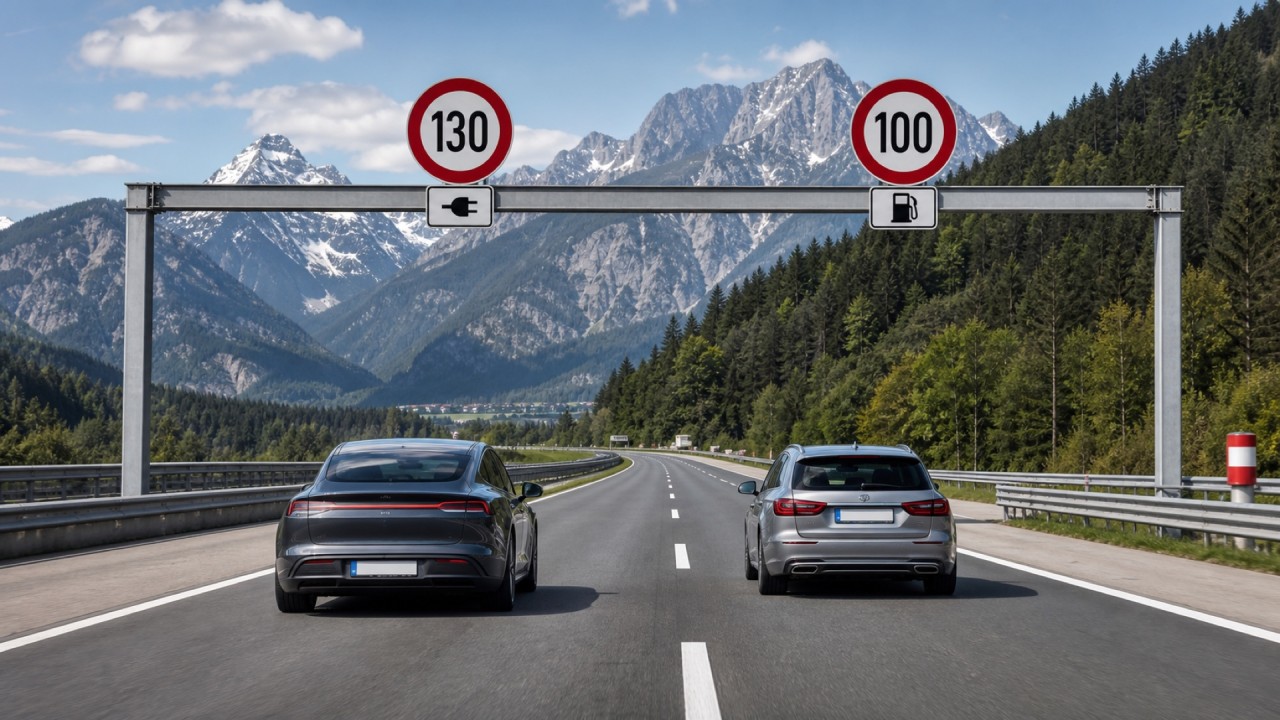
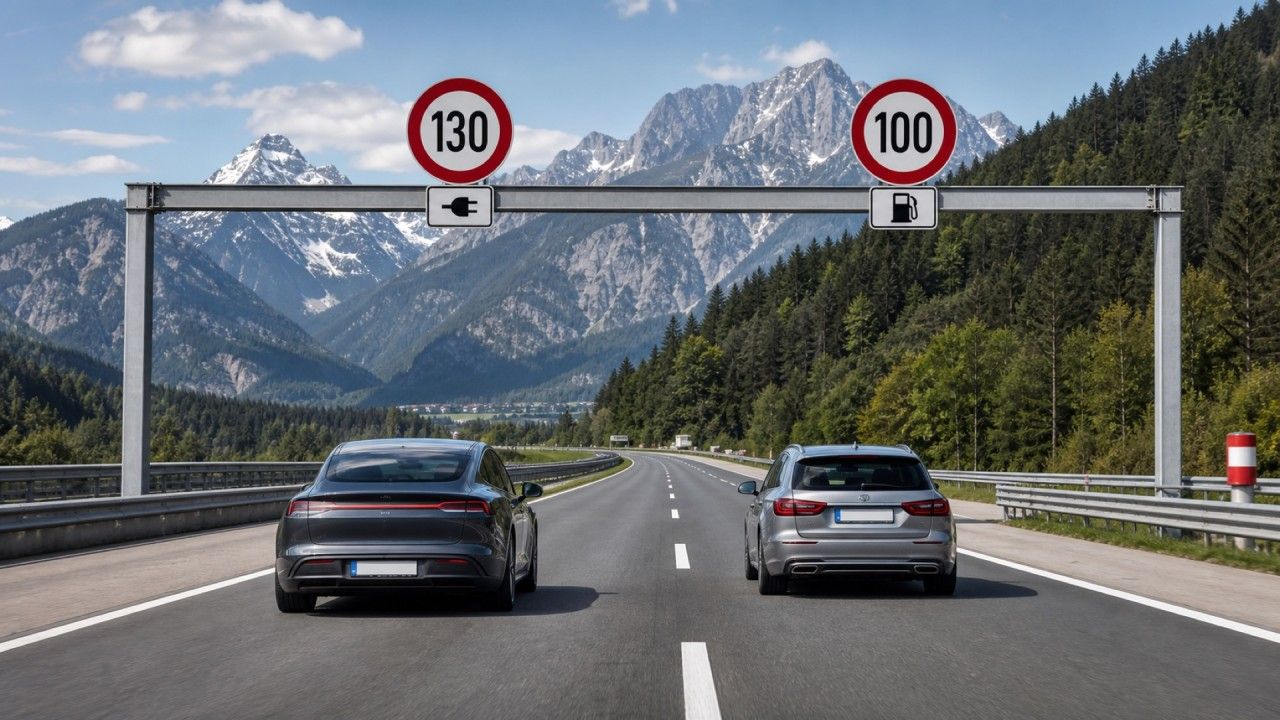
Austria has introduced a new highway speed limit rule where electric vehicles (EVs) can drive up to 130 km/h on certain sections, while petrol, diesel, and plug-in hybrids must slow down to 100 km/h during high pollution episodes. This unique approach stands out in Europe and raises the question: could Spain and other countries follow this example?
Spain’s Existing Environmental Label System Could Support Similar Rules
Spain already uses a system of environmental labels issued by the Directorate General of Traffic (DGT) since 2016. These stickers categorize vehicles by emission levels and are used to control access to Low Emission Zones (LEZs) in over 150 cities. This administrative foundation is similar to Austria’s, which uses engine type to enforce different speed limits. However, in Spain, the labels currently regulate access and parking in cities, not highway speeds.
The Key Difference: Speed Limits Versus Access Control
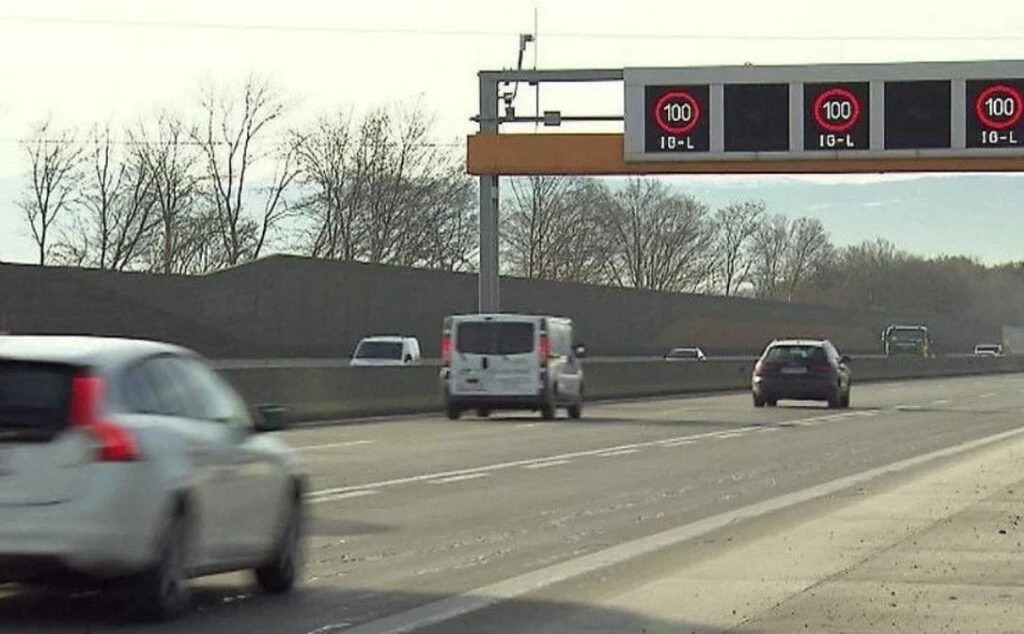
In cases of high pollution, Madrid lowers speed limits on the M-30 ring road and city access points to 70 km/h for all vehicles, without distinguishing between types. Later restrictions do differentiate by vehicle label, but these affect parking and access, not speed limits. Austria’s approach sets different speed limits depending on the vehicle’s engine directly on highways, a step Spain has yet to take.
Legal Authority and Practical Challenges in Spain
Speed limits remain under the control of individual EU member states. Spain could legally introduce variable speed limits based on vehicle emissions without EU approval. However, the challenge lies in enforcement. Current speed cameras monitor speed but do not identify a vehicle’s environmental label in real-time. To implement such rules, Spain would need to integrate label data with live traffic monitoring—a capability not currently in use on highways.
Debate Over Emission Labels Complicates Implementation
Spain is reviewing its environmental label system to better reflect real CO2 emissions, acknowledging that some vehicles grouped under the same label have widely varying emissions. This ongoing revision makes introducing differentiated highway speed limits based on the labels less practical right now.
Outlook: City Rules Likely to Continue Leading
For the near future, Spain and possibly other European countries may continue to use environmental labels mainly within cities, controlling access and parking rather than highway speeds. If rules like Austria’s appear, they might start on isolated, well-marked stretches before broader regulation changes occur.
Source: motor.es