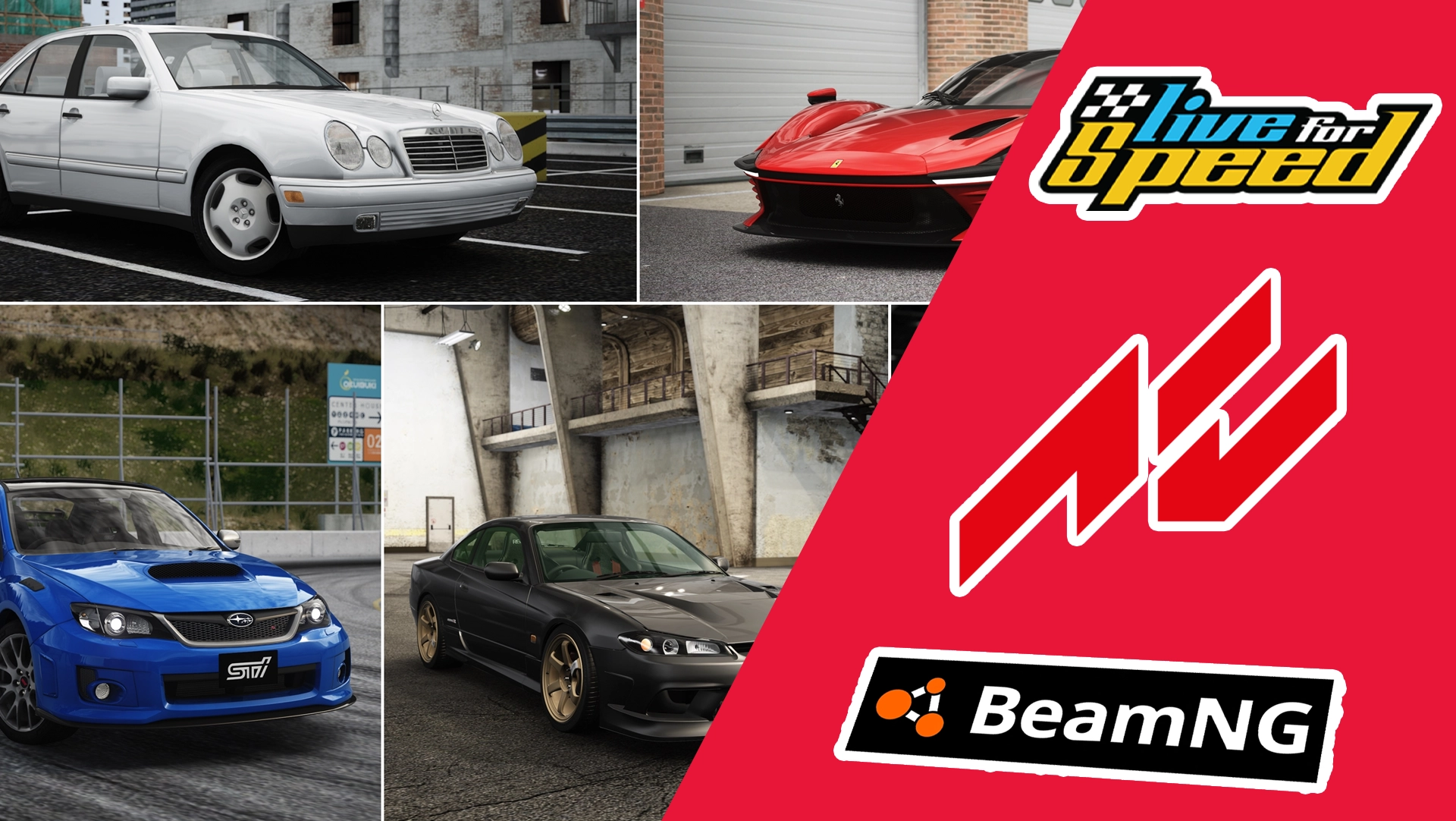

Driving a supercar in a racing simulator is fun, but many car enthusiasts would rather get behind the virtual wheel of a car they actually own. If you drive a Fiat, BMW, Volkswagen or an daily car, some PC simulators allow you to create your daily driven vehicle and experience it in a game. From engine specifications and gearbox types to testing different suspension setups, these games offer more freedom than traditional racing titles. Three games stand out for their vehicle customization, physics systems and support for community-created cars: Assetto Corsa, BeamNG.drive and Live For Speed.
Assetto Corsa: The Best Choice for Real-World Car Mods
Assetto Corsa remains one of the strongest choices for enthusiasts who want to daily cars in a simulator. Its large modding community has created thousands of vehicles, including ordinary European hatchbacks, American trucks and older production cars that rarely appear in mainstream racing games.
Tools such as Content Manager and Custom Shaders Patch (CSP) make it possible to improve the game’s graphics, manage vehicle installations and add features that are not available in the original release.
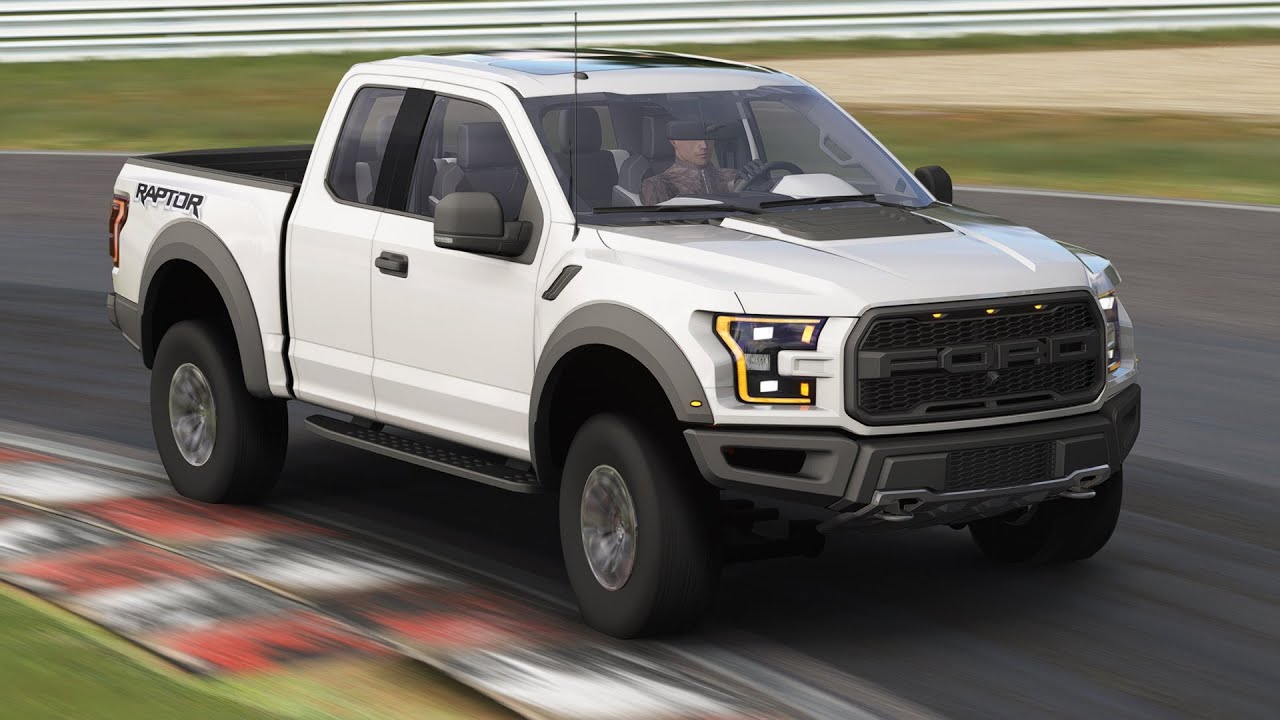


One of Assetto Corsa’s biggest advantages is the variety of available vehicle configurations. Depending on the mod, you can find different engine versions, manual or automatic gearboxes, interior designs and wheel configurations. This is particularly useful if you want to recreate your own car rather than drive a completely different performance version.
The game also allows users to modify vehicle data. Engine power, torque curves, gear ratios, suspension settings and tyre characteristics can be adjusted through its mod files.
BeamNG.drive: The Most Detailed Vehicle Physics
BeamNG.drive takes a different approach to vehicle simulation. Instead of focusing mainly on racing, it uses a soft-body physics system that simulates how different parts of a vehicle behave under physical forces.
Suspension components, chassis structures, tyres and other mechanical parts can react dynamically to road conditions and impacts. This makes BeamNG.drive particularly interesting for enthusiasts who want to understand how modifications affect a vehicle.
Its vehicle configuration system allows players to change individual components rather than simply selecting a different car. You can experiment with suspension setups, tyre pressures, engine configurations and drivetrain components to see how they affect the vehicle’s behaviour.
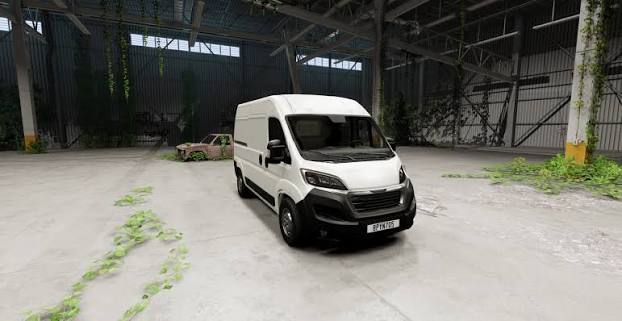
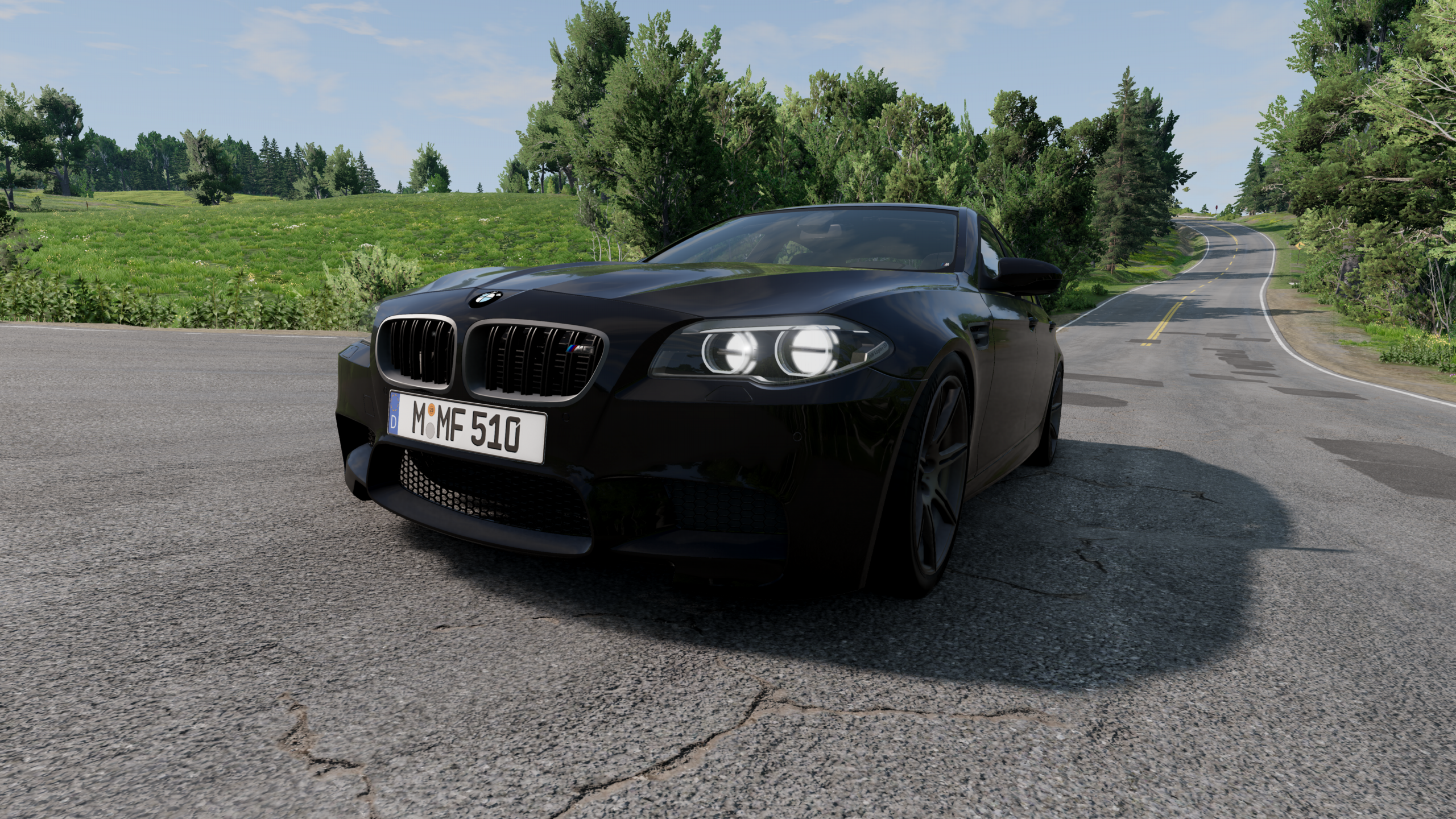

BeamNG.drive also has an extensive modding community. Alongside the game’s original vehicles, which are often inspired by real-world models, players can download modifications that recreate actual production cars. Some include detailed interiors, working dashboards, realistic engine sounds and complex mechanical configurations.
For everyday car owners, one of its most interesting features is the ability to experiment with different setups without modifying a real vehicle. You can compare suspension configurations, investigate weight transfer and observe how a car behaves on different road surfaces without risking damage to your actual car.
If you have ever watched car crash tests, high-speed collisions or unusual vehicle destruction videos on YouTube Shorts, there is a good chance you have already seen BeamNG.drive in action. Many of these viral videos are created using the game.
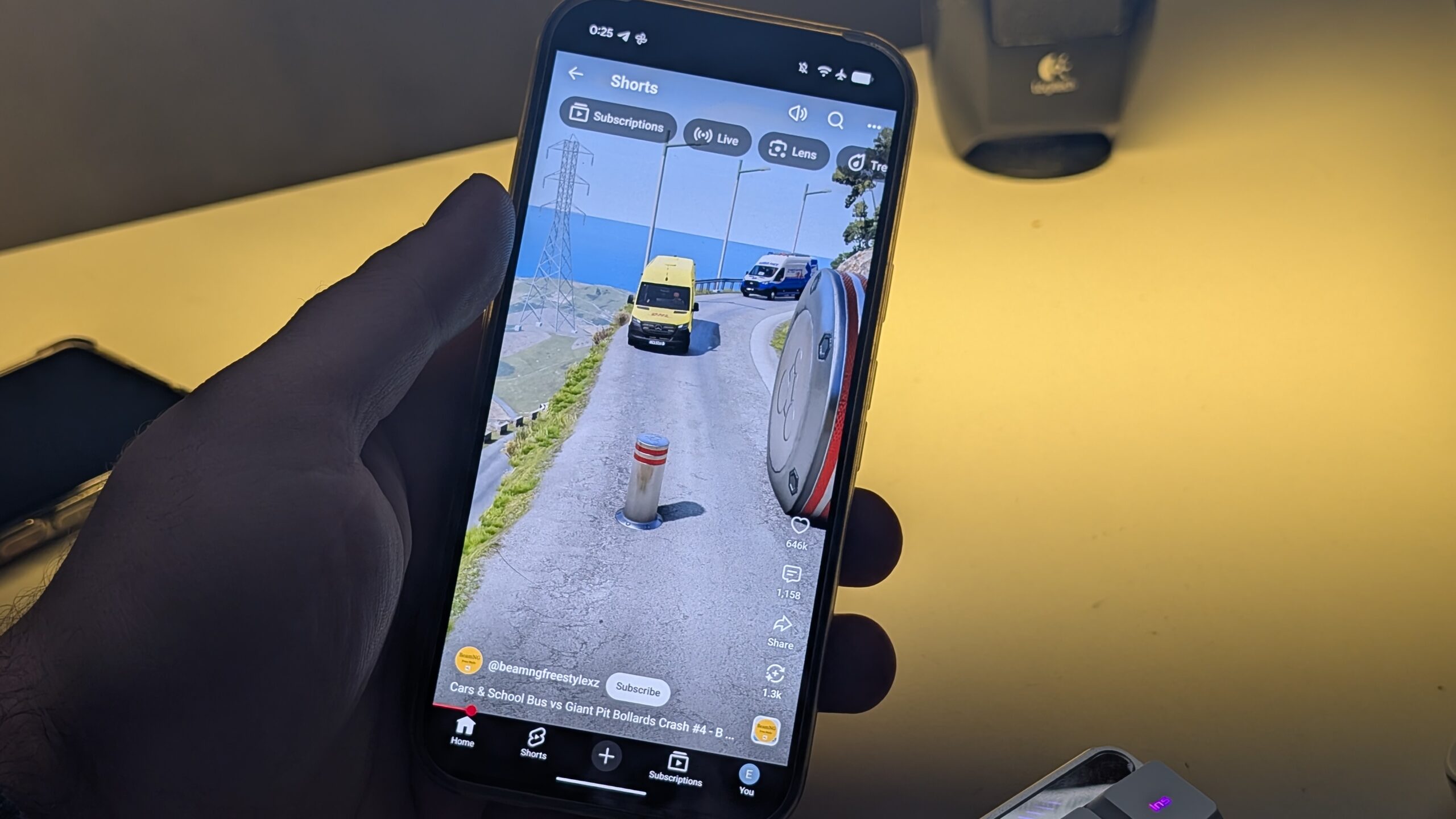
Its soft-body physics engine makes it possible to simulate realistic-looking crashes, showing how a vehicle’s body, suspension and individual components deform during an impact. Players can test different collision speeds, crash angles and road conditions, making BeamNG.drive one of the most popular games for virtual crash experiments.
Live for Speed: An Official System for Custom Car Mods
Live for Speed (LFS) is another interesting option, particularly for players who prefer a lightweight simulator with accessible driving physics. Although its graphics are less advanced than those of newer competitors, its driving model and multiplayer community continue to make it relevant to sim-racing enthusiasts.
One feature that makes LFS different is its official vehicle modification system. Players can browse available vehicle mods through an integrated browser instead of relying entirely on external websites to find and install cars.
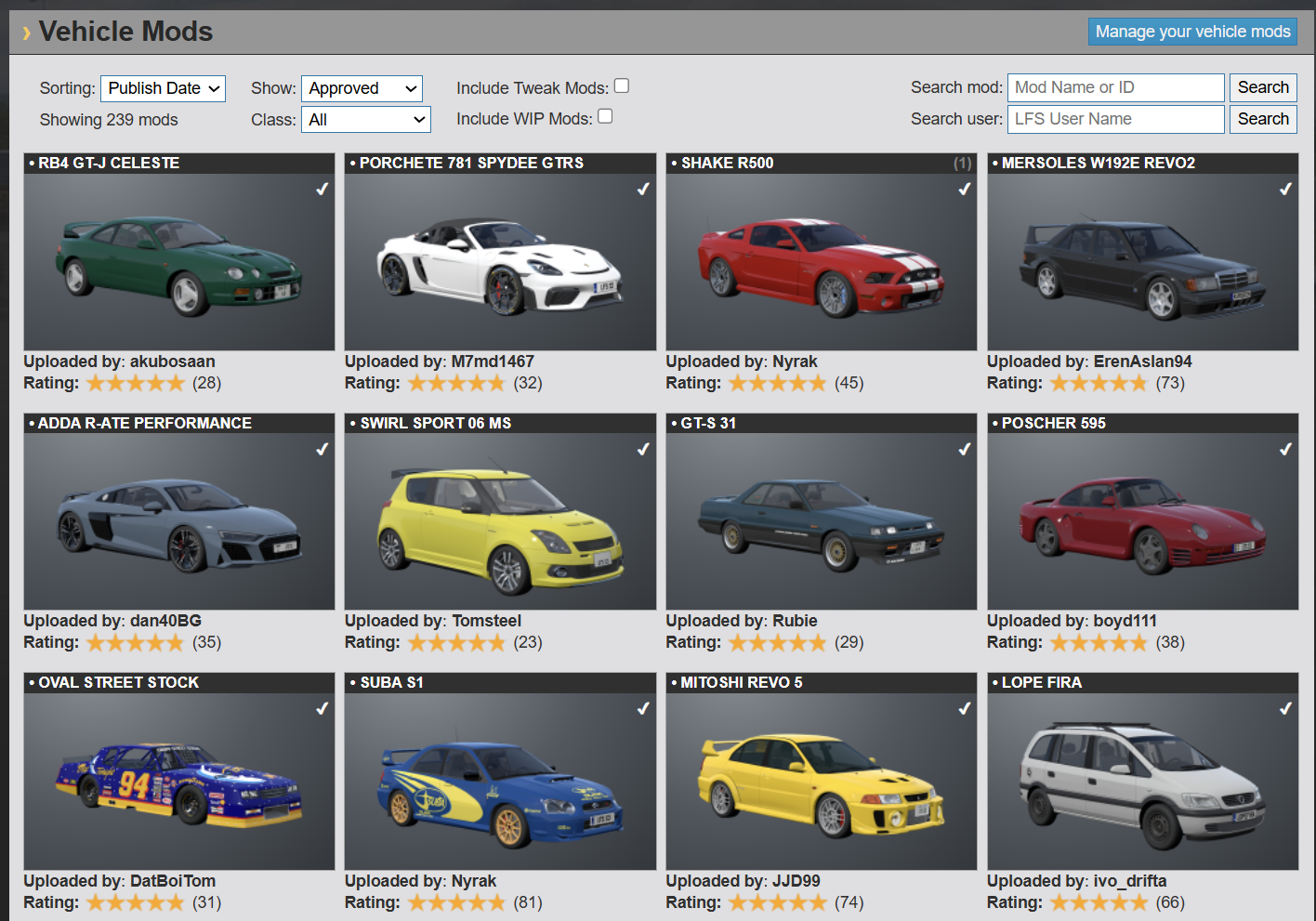
This makes discovering community-created passenger vehicles more convenient. You can search for available models, install them and use them in supported driving environments, including online servers.
LFS also offers an official editor for creating vehicle mods. Players who have the necessary 3D models and technical knowledge can import their own car designs and configure aspects such as suspension and vehicle geometry before publishing their creations through the game’s mod ecosystem.
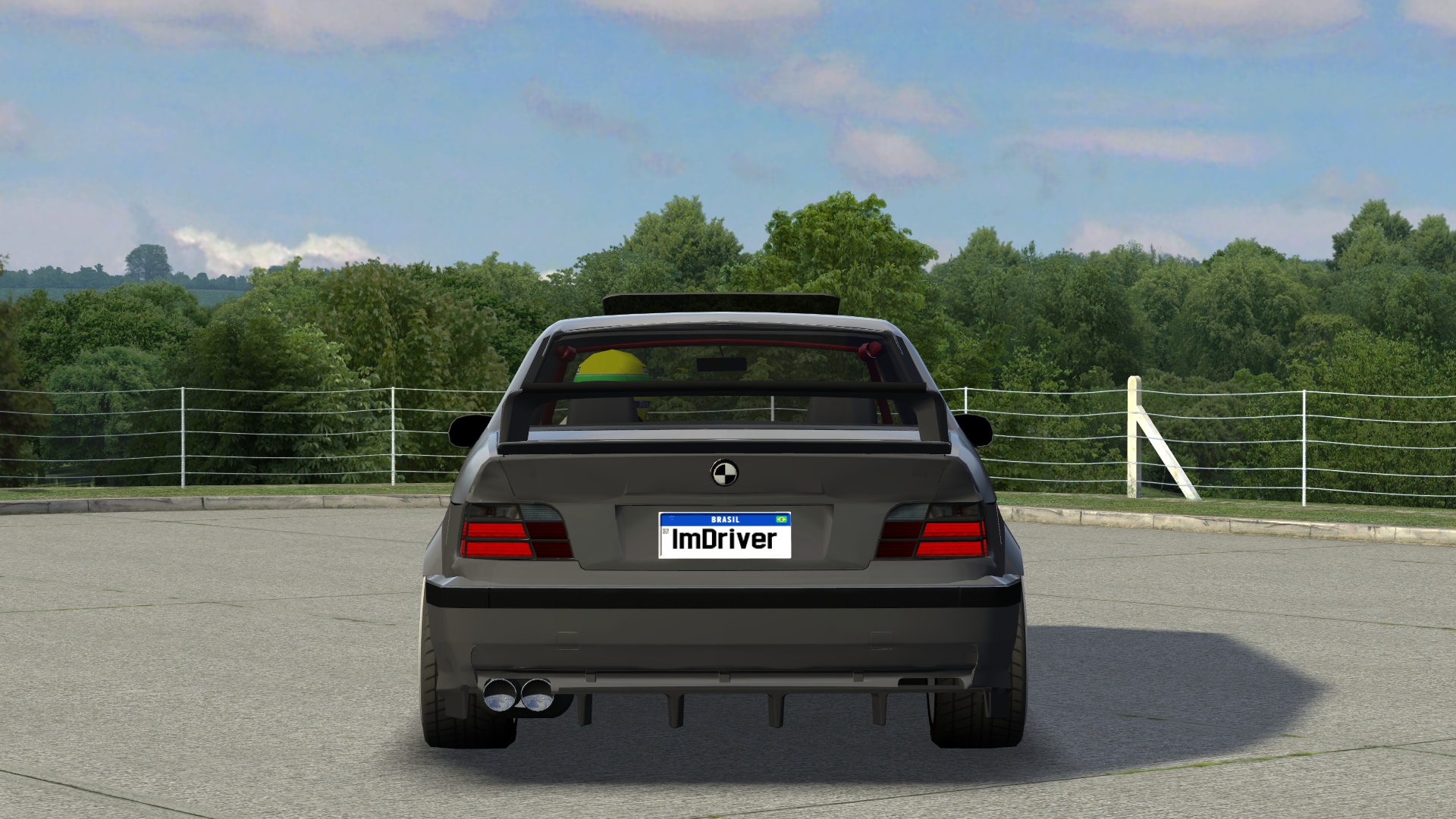
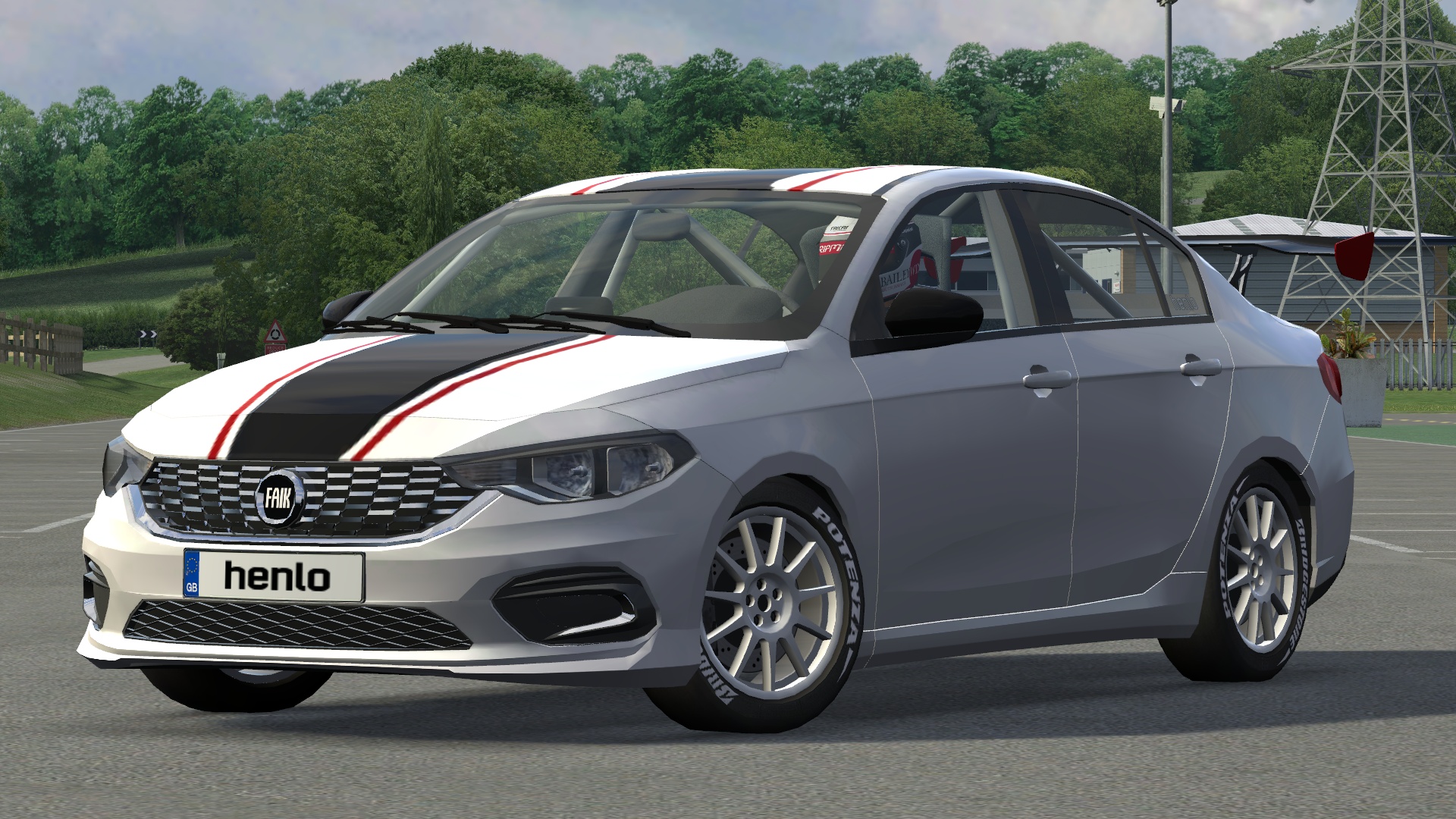
For enthusiasts with less powerful computers, LFS has another advantage: its relatively modest hardware requirements. It provides an alternative to more demanding simulators while retaining detailed driving physics and online driving experiences.
Which PC Driving Simulator Should You Choose?
Each game offers a different approach to recreating real-world vehicles. The right choice depends on whether you care more about graphics, mechanical simulation or creating and sharing your own car models.
- Assetto Corsa: Best for finding existing real-world car mods, improving graphics and driving on large free-roam maps.
- BeamNG.drive: Best for experimenting with suspension, mechanical components and realistic vehicle physics.
- Live for Speed: Best for its official vehicle mod ecosystem, custom 3D car projects and relatively low hardware requirements.
If your main goal is to find a virtual version of the exact car sitting in your garage, Assetto Corsa is a good starting point. BeamNG.drive is worth considering if you want to experiment with how different mechanical changes affect a vehicle, while Live for Speed offers an alternative for enthusiasts interested in creating and sharing their own car models.

Software Developer & Tech Journalist. Creator of Autodatalog.com. Experienced in Python, PHP, PostgreSQL, and Android system modifications. Whether I'm writing Python automation scripts, or exploring the technical specs of Fiat/Alfa Romeo engines, I love reverse-engineering how things work. Based in Istanbul, Turkey.