
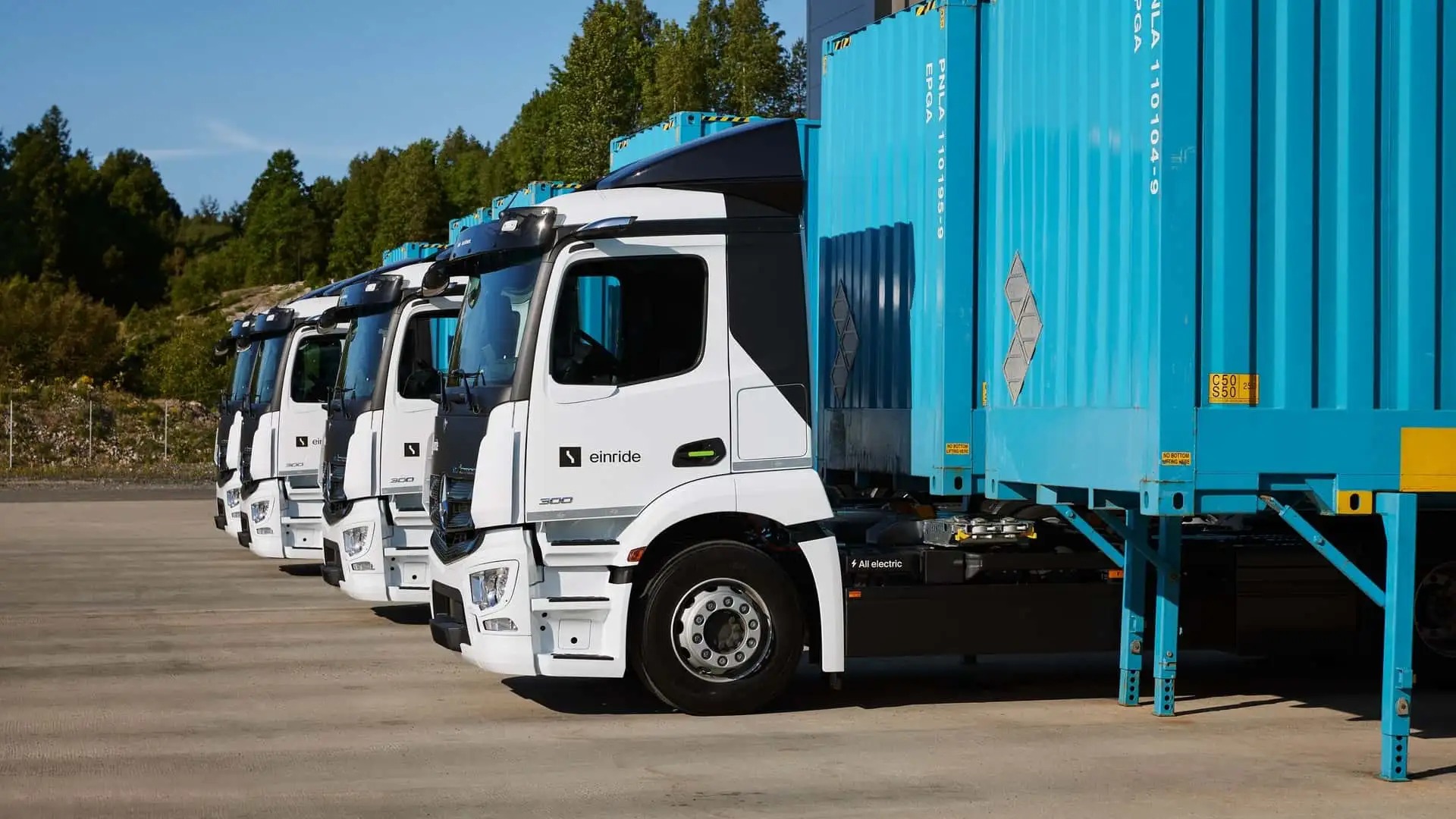
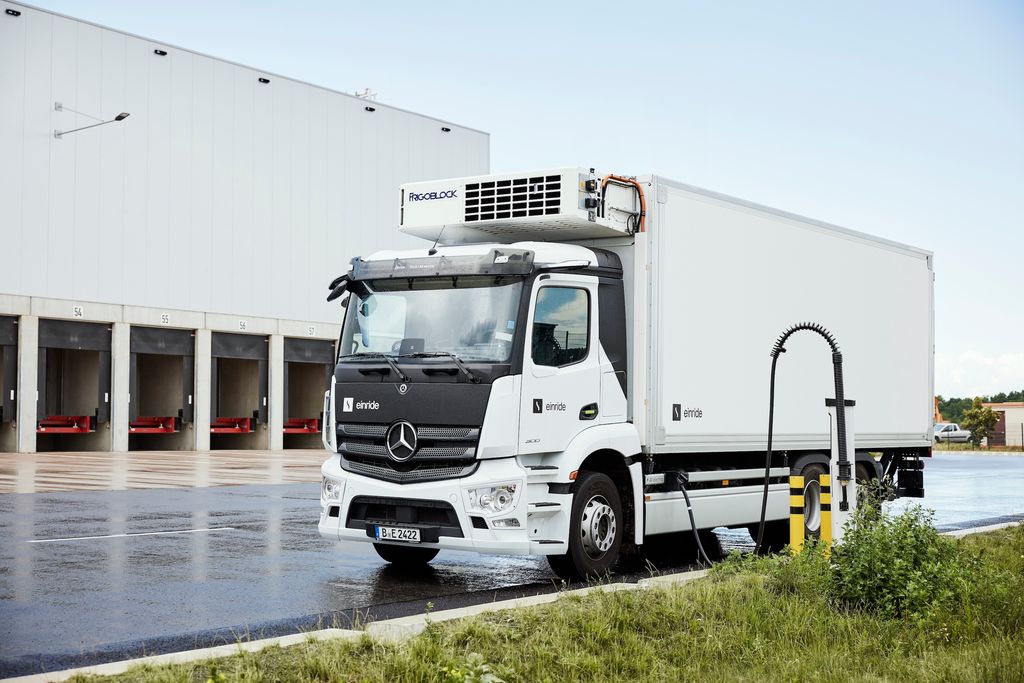
Surging diesel fuel costs are pushing more freight operators to explore electric trucks as a viable alternative, according to Roozbeh Charli, CEO of electric trucking firm Einride. The increasing price of diesel, which has risen by over 60% in the U.S. following geopolitical tensions, is making electric freight options more attractive to shippers.
Diesel Costs Drive Shift Toward Electric Freight
The average price of diesel in the U.S. recently surpassed $6 per gallon, placing significant financial pressure on commercial transport companies. Europe is experiencing similar price hikes, creating a global incentive for logistics providers to reconsider their vehicle fleets. Charli noted a marked rise in customer engagement with electric freight solutions, with many firms accelerating their transition plans.
Einride’s sales pipeline reportedly tripled in the first half of 2026 compared to the previous year, and its customer conversion rate doubled. This uptick comes as companies that had once deferred electric vehicle adoption are now moving forward sooner than expected.
Growing Market Momentum Beyond Einride
The increased demand for electric trucks is also evident in wider industry developments. A coalition of shippers including PepsiCo recently ordered 2,500 electric trucks, an initiative poised to double the U.S. electric Class 8 truck fleet. Catalyst Mobility, a nonprofit involved with the order, observed additional interest from companies not initially part of the deal, attributing this to high diesel prices.


Who Benefits from Electric Trucks?
Charli explained that electric trucks are becoming cost-competitive particularly in “middle-mile” applications, typically involving 100 to 200 miles per trip with high vehicle utilization. These scenarios allow electric trucks to offset their higher upfront price through lower operating costs.
He also emphasized that many companies are becoming increasingly aware of their vulnerability to diesel price volatility, adding urgency to fleet electrification plans.



Environmental and Health Impacts Support Electrification
Beyond economics, the shift to electric heavy-duty trucks carries environmental benefits. Though they make up a small share of the total vehicle fleet, heavy trucks consume a large portion of fuel and contribute significantly to air pollution. Ray Minjares, program director at the International Council on Clean Transportation, highlighted the health risks of diesel exhaust and the clear advantage of switching to zero-emission trucks now available in the market.


Tesla Semi Boosts Interest in Electric Trucking
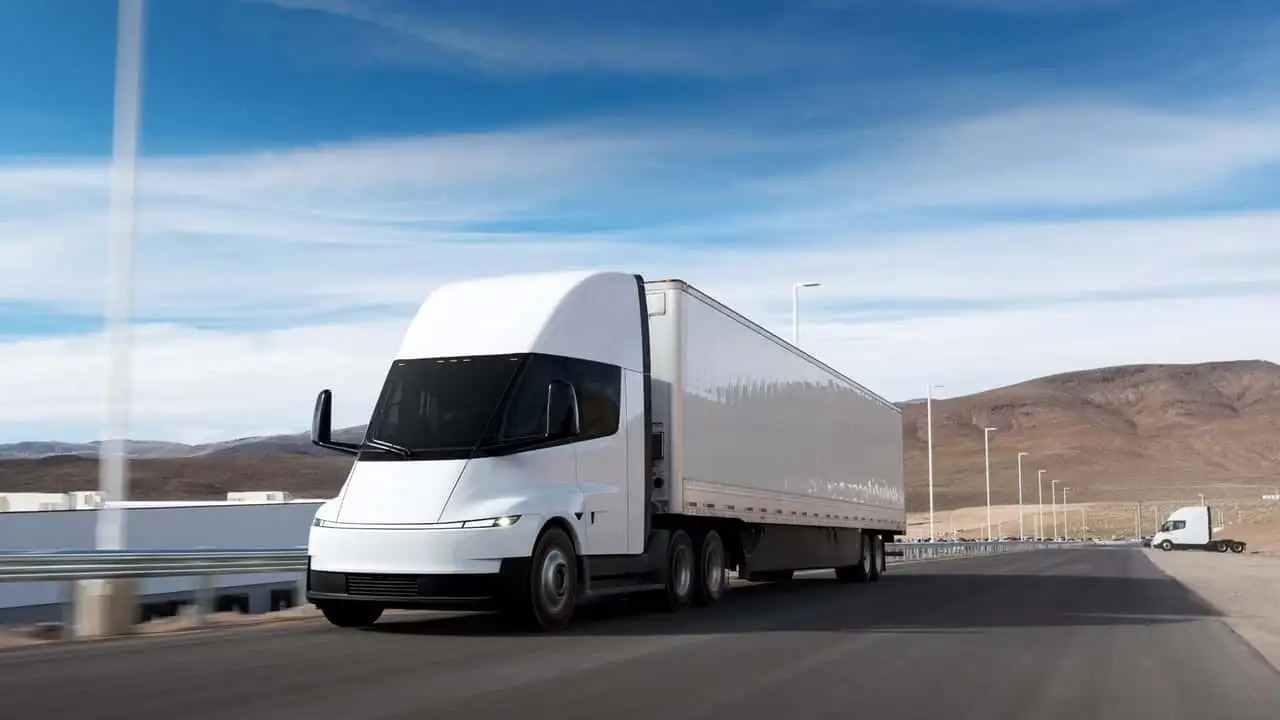
Charli also credited the Tesla Semi, which recently began deployment, with raising awareness and advancing trucking electrification in the U.S. He described Tesla’s truck as a “step-change” in terms of range, performance, and price compared to previous electric options.
In August, Einride announced plans to add 500 Tesla Semis to its fleet, including services for Amazon and other customers, effectively tripling its electric truck capacity in North America. Although the Tesla Semi’s full production was delayed, Charli suggested its timing aligns well with the current surge in diesel prices, potentially accelerating market adoption.


Source: insideevs.com

Software Developer & Tech Journalist. Creator of Autodatalog.com. Experienced in Python, PHP, PostgreSQL, and Android system modifications. Whether I'm writing Python automation scripts, or exploring the technical specs of Fiat/Alfa Romeo engines, I love reverse-engineering how things work. Based in Istanbul, Turkey.