
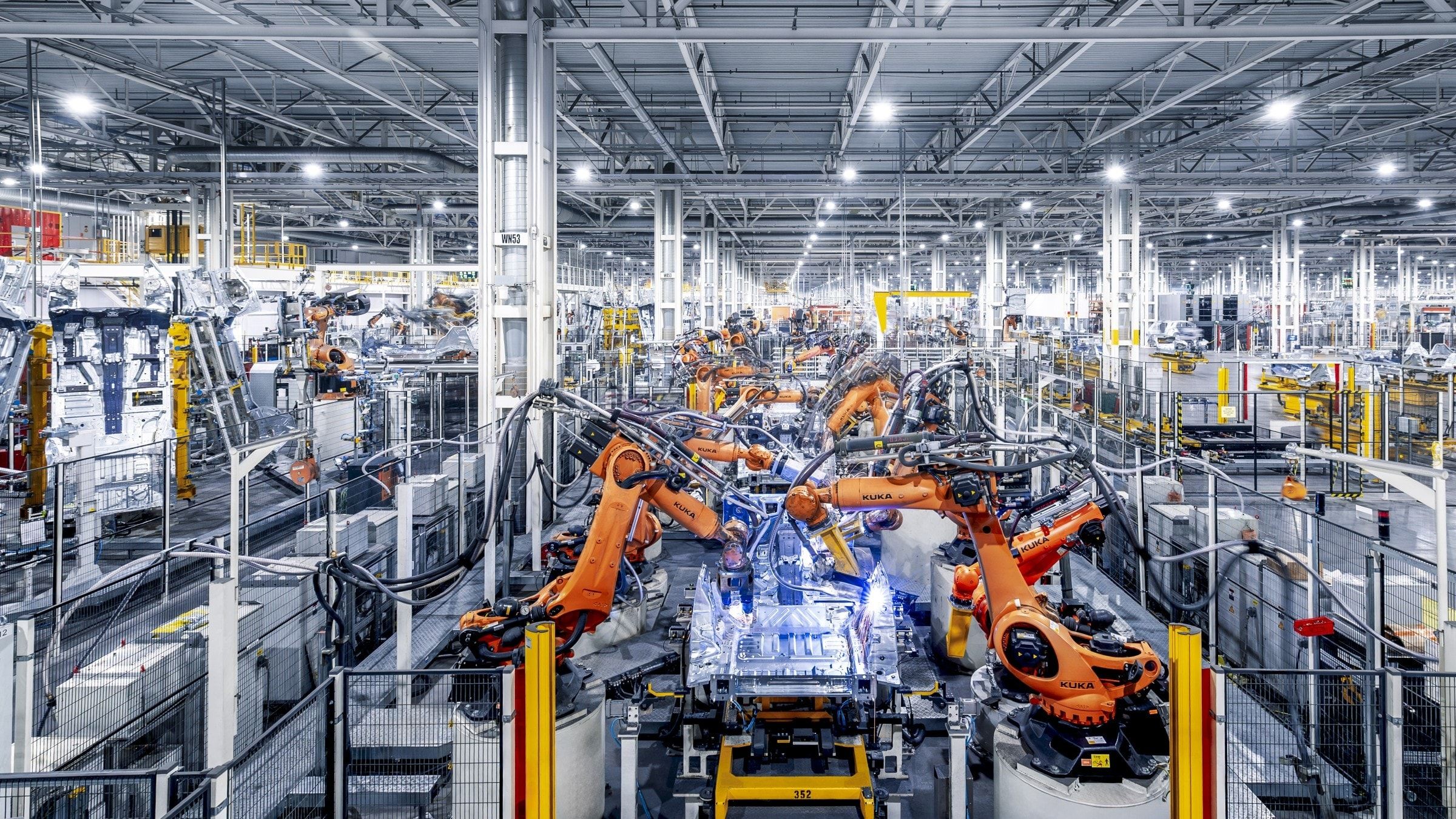
Mercedes-Benz has paused all new investments at its German manufacturing sites and is considering shutting down some facilities as part of a broader cost-cutting effort. This move, communicated internally to staff, adds tension to ongoing talks with labor unions over costs and profits.
Investment Freeze and Possible Plant Closures in Germany
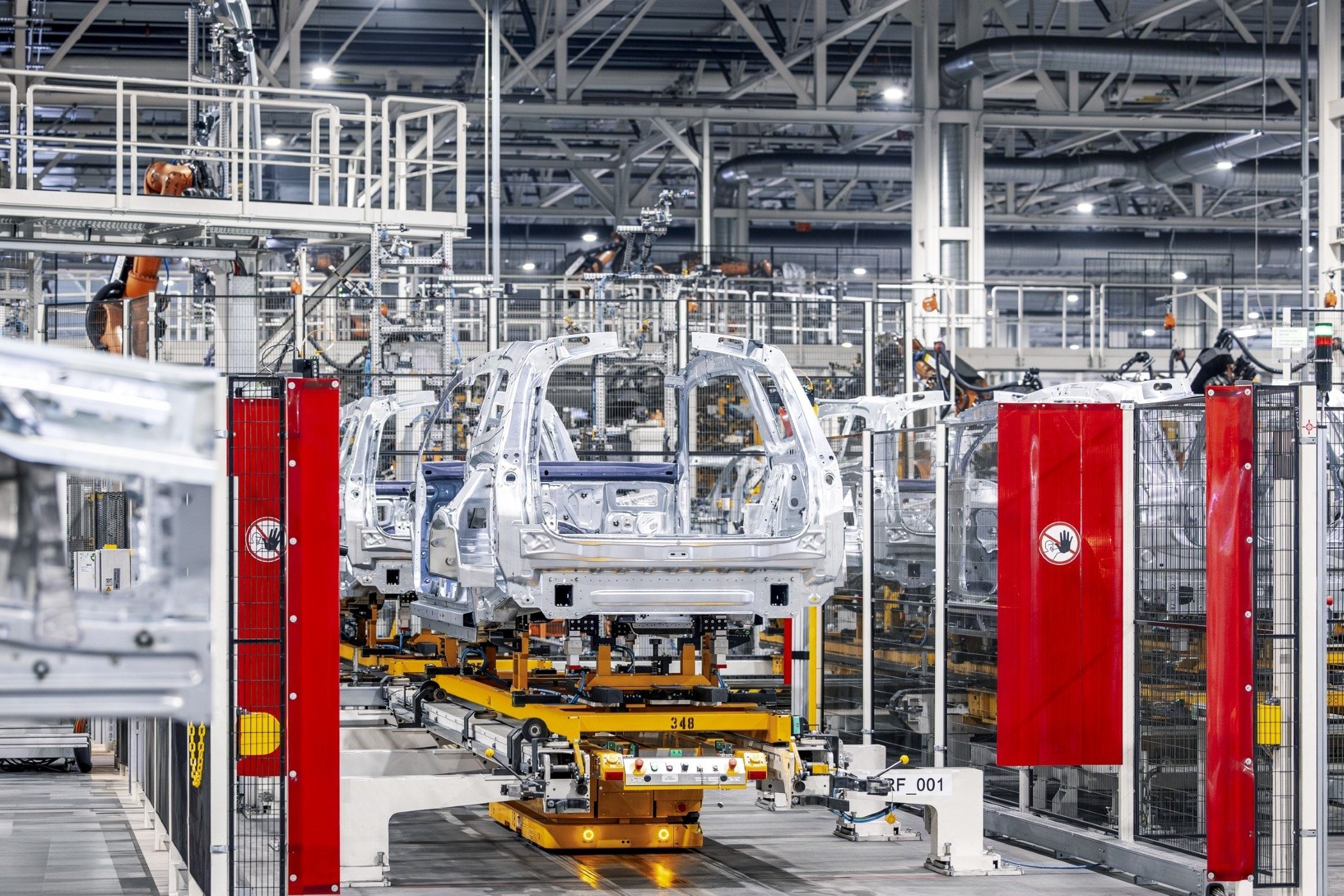
The company’s chief production officer, Michael Schiebe, confirmed the executive board’s decision to suspend any further investments in German factories. Although current projects like a billion-euro paint shop at the Sindelfingen plant will continue, no new projects will be initiated in the country for now.
Previously, Schiebe warned that if savings targets aren’t met, at least one assembly plant and one powertrain facility in Germany could be closed. Britta Seeger, Mercedes’ HR board member, said that while closures are not the preferred outcome, the company must evaluate which German plants it can keep operational based on cost efficiency.
Cost Disparity Fuels Pressures on German Production
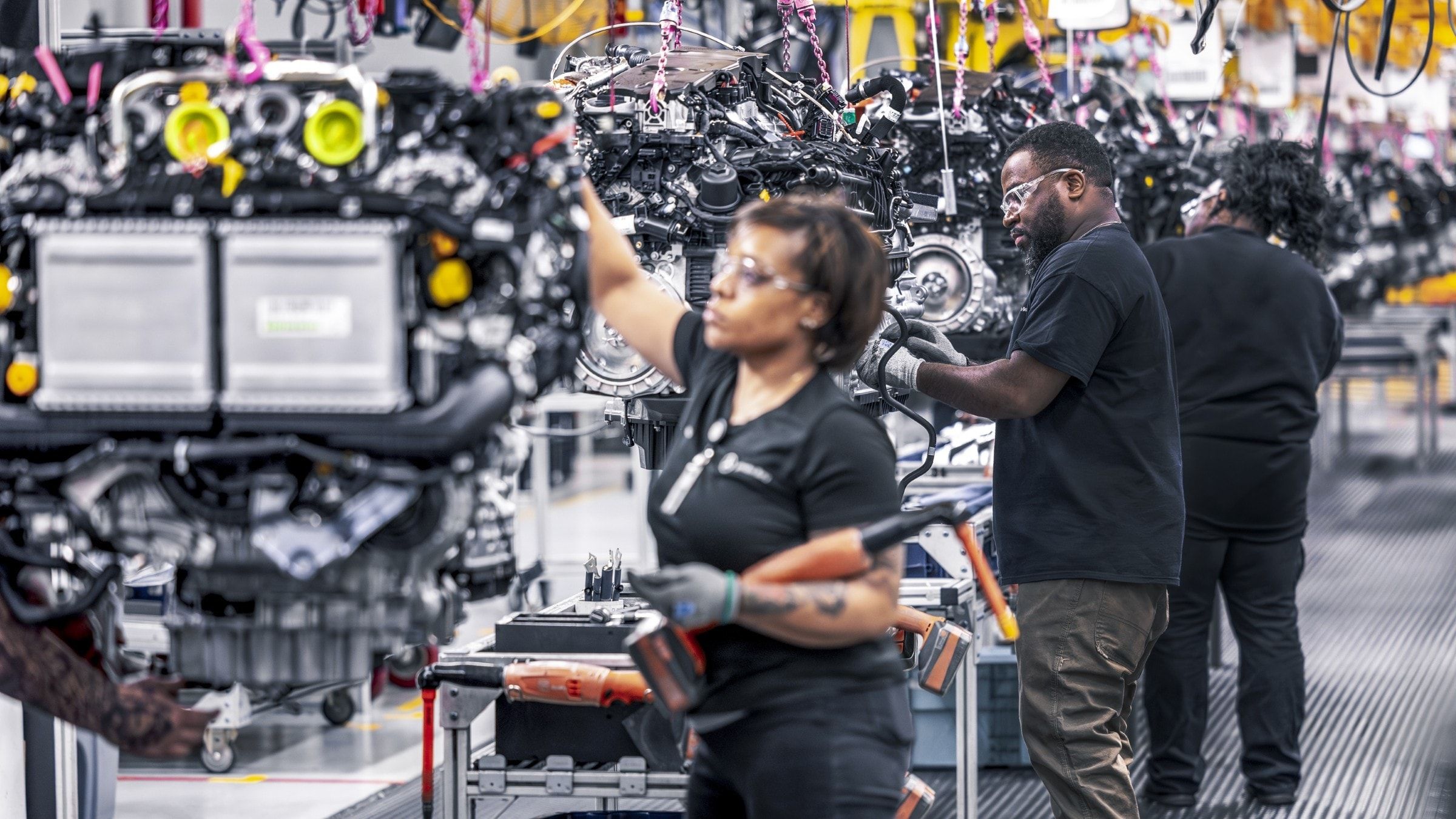
Internal data shared by Schiebe reveals that labor and administrative expenses at Mercedes’ German facilities are up to five times higher than at Eastern European plants in Hungary, Romania, and Poland. This gap is a critical factor driving the automaker’s urgency to reduce expenses and re-assess its production footprint.
The standoff with unions intensifies as management warns that without adjustments to local costs, Mercedes-Benz may shift future production of new vehicle models entirely outside Germany. This situation comes amid broader upheaval in Germany’s auto sector, with other major players like Volkswagen and suppliers like Schaeffler also implementing cuts and restructuring.
Tuscaloosa Plant in the U.S. Remains Unaffected
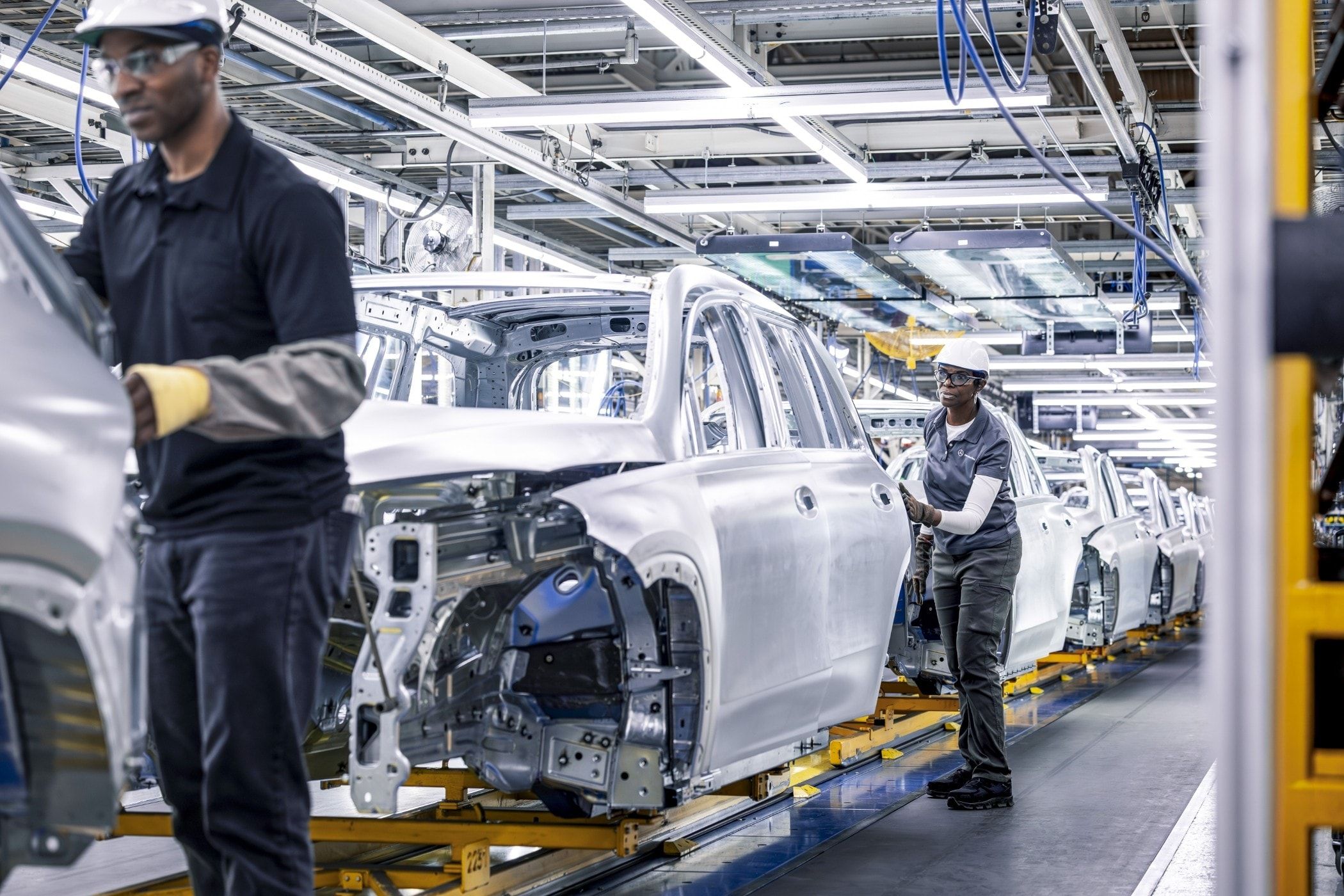
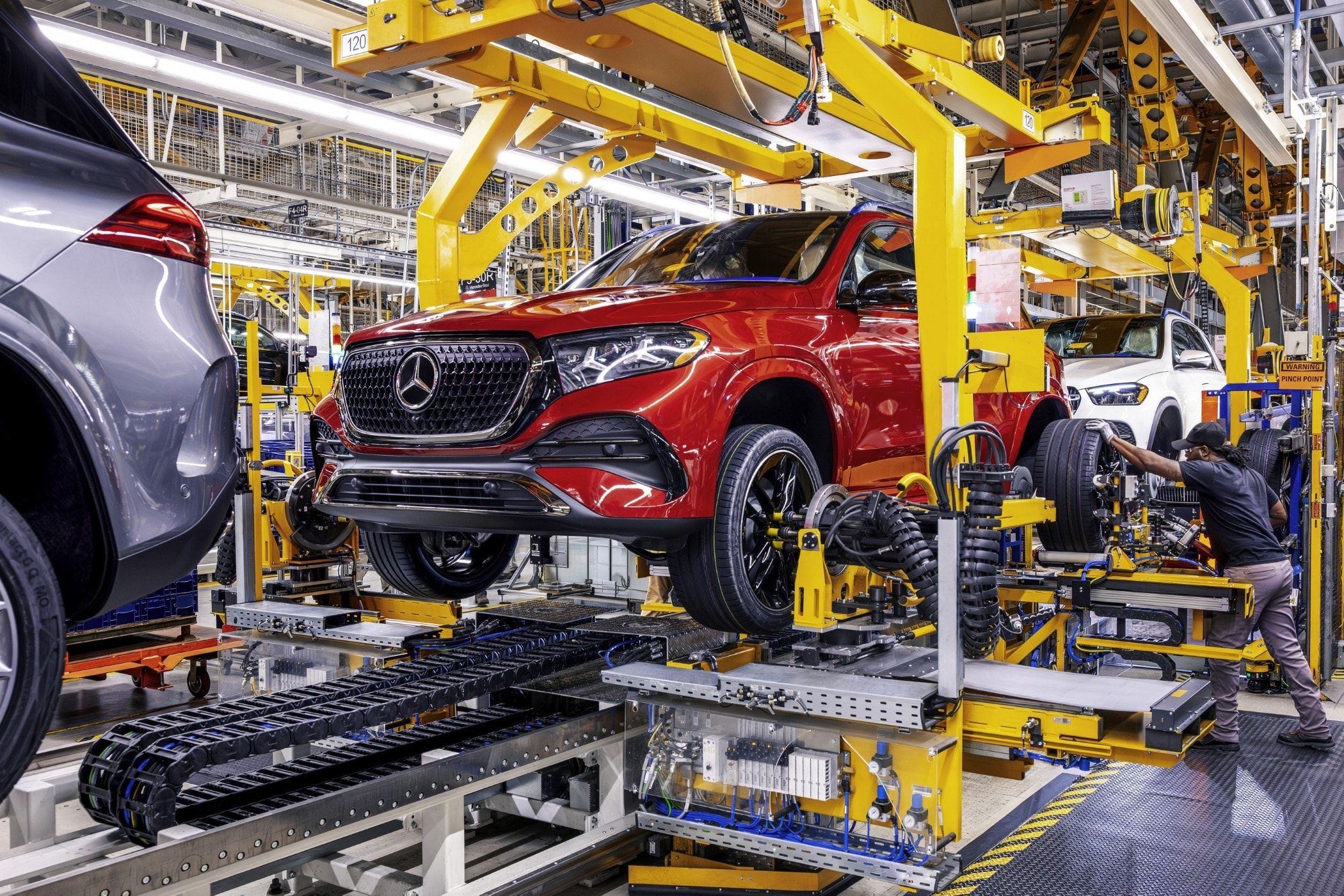
Despite the uncertainty in Germany, Mercedes-Benz’s plant in Tuscaloosa, Alabama, is safe from closures or investment freezes. The facility is central to the brand’s U.S. production strategy and is set to increase output, particularly with the planned move of GLC compact crossover assembly from Germany to the U.S. by late 2027.
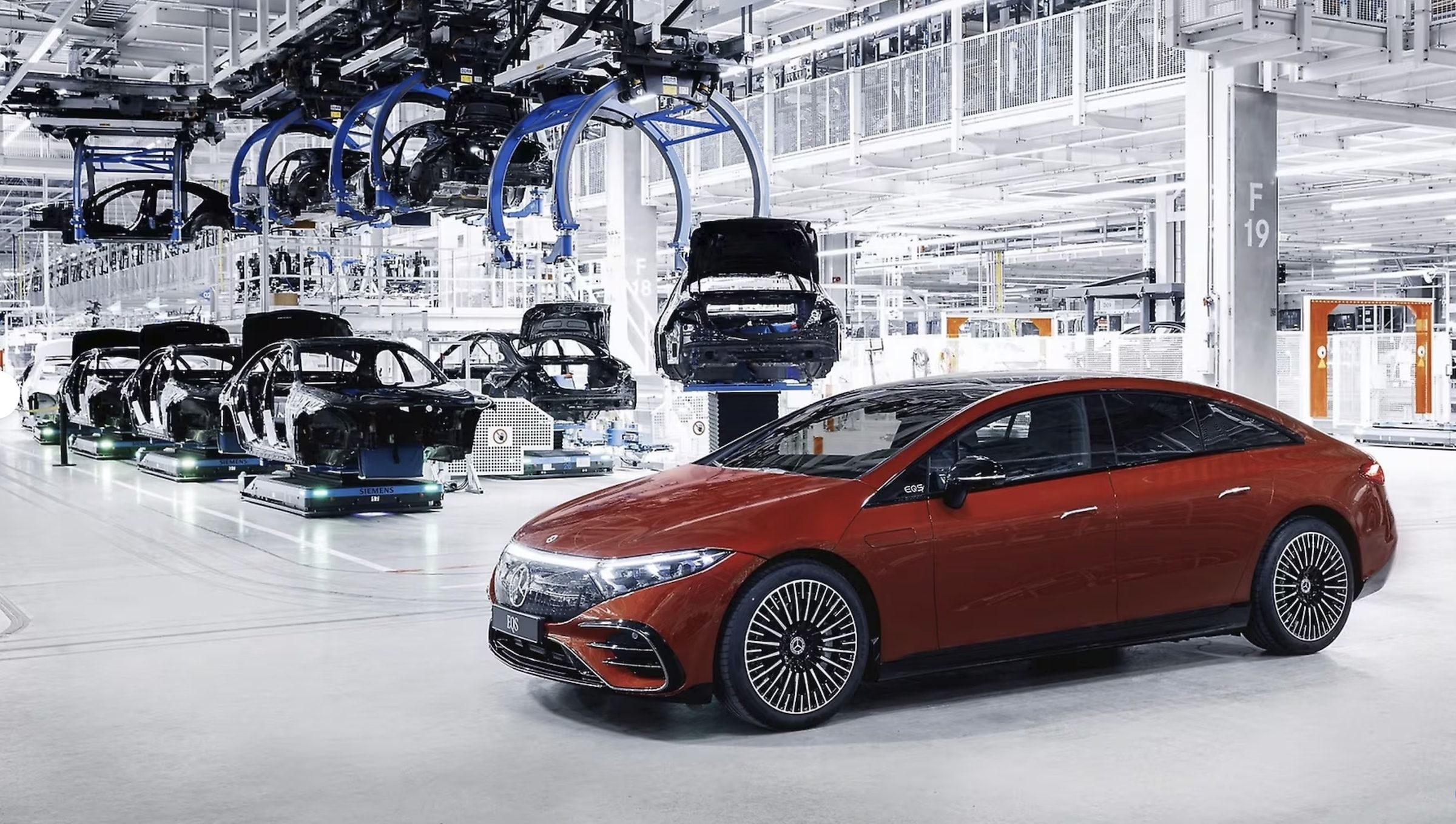
The Tuscaloosa plant currently employs about 5,800 workers and produces luxury SUVs including the GLE, GLS, and electric models like the EQE and EQS SUVs. Its capacity is expected to rise toward 340,000 vehicles annually. The plant also exports around 60% of its production to other markets.
Challenges in the Chinese Market Add Pressure
Adding to Mercedes-Benz’s challenges is a sharp drop in demand in China, its largest market, which accounts for about 30% of global passenger car sales. Increased competition from local Chinese brands is impacting sales, making cost cuts and production shifts a priority.
Mercedes-Benz’s strategic moves reflect the difficult balancing act of maintaining competitiveness amid rising costs and shifting global demand patterns.
Source: autoevolution.com

Software Developer & Tech Journalist. Creator of Autodatalog.com. Experienced in Python, PHP, PostgreSQL, and Android system modifications. Whether I'm writing Python automation scripts, or exploring the technical specs of Fiat/Alfa Romeo engines, I love reverse-engineering how things work. Based in Istanbul, Turkey.