
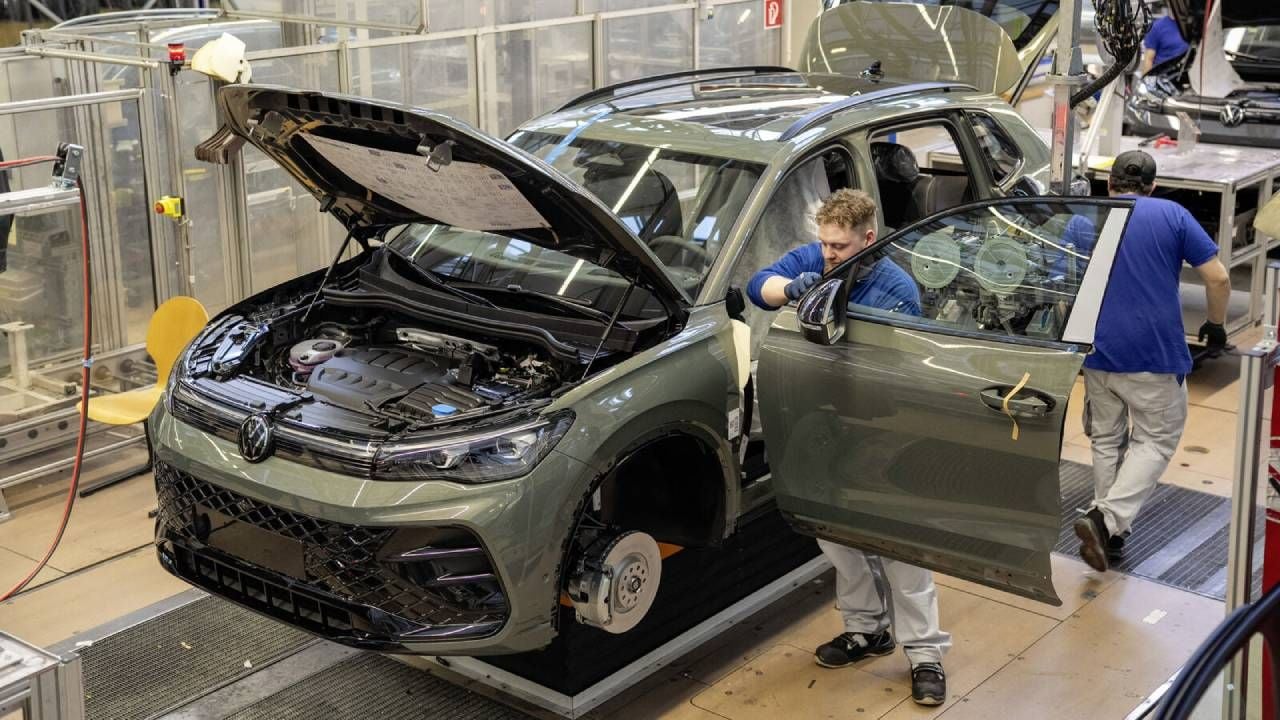
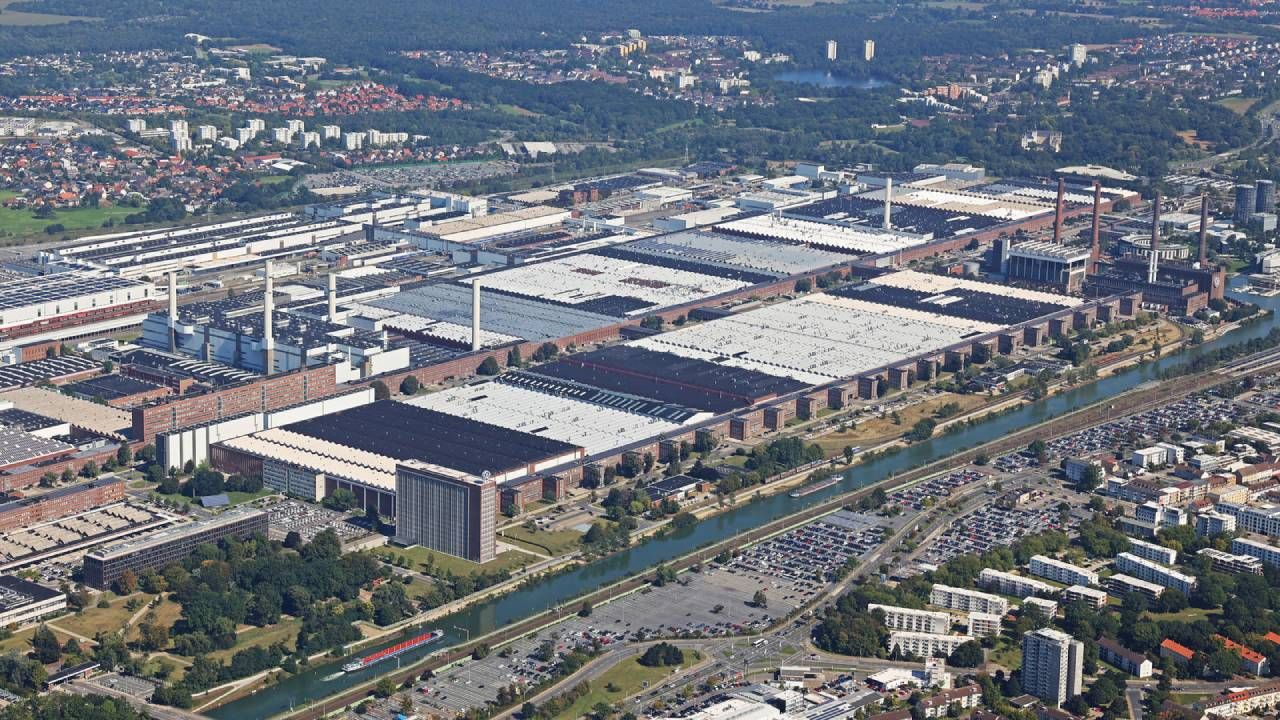
Volkswagen has halted its planned upgrade of the Wolfsburg factory, scrapping the “Gamechanger” project that would have introduced Tesla-like gigacasting technology to cut costs in electric car production. The company blamed its tough financial situation for the decision.
Wolfsburg Factory Upgrade Called Off
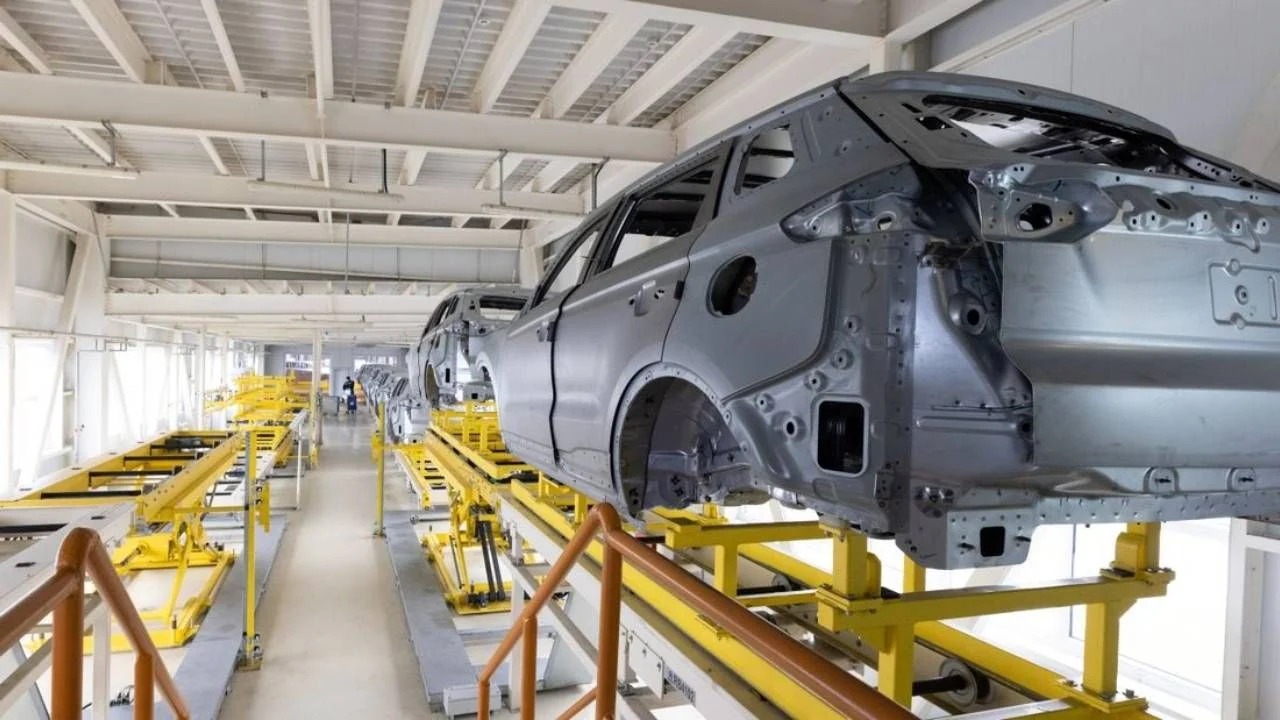
Volkswagen had promised a major modernization of its Wolfsburg plant, including setting up a large casting center to produce big aluminum parts in a single piece—a method known as gigacasting. This technique, popularized by Tesla, reduces part counts, simplifies assembly, and lowers production costs.
The project, named “Gamechanger,” was closely linked to manufacturing future electric models like the fully electric T-Roc and Golf, developed on Volkswagen’s new SSP platform.
A Volkswagen spokesperson confirmed to German media Die Zeit that the full plans for the “Gamechanger” concept would not move forward due to the company’s “difficult economic situation.”
Financial Struggles Behind the Decision
Volkswagen’s operating profit fell sharply in the first nine months of 2026, down 45% to €813 million compared with the same period in 2025. The operating margin from sales shrank from 2.3% to 1.3%, and the third quarter brought an operating loss of €182 million. These financial pressures likely forced back the costly investment needed for gigacasting.
SSP Platform Development Will Continue
Despite the setback in Wolfsburg, Volkswagen confirmed the new SSP electric platform, developed with US partner Rivian, remains unaffected. This platform will debut on the ID. Roc and eventually replace the current MEB platform, used widely across Volkswagen’s electric lineup, along with Audi and Porsche’s PPE platform.
The SSP is seen as a key foundation for up to 40 million future vehicles, but without the cost-cutting benefits of gigacasting at Wolfsburg, production efficiencies may not reach the initially expected levels.
Impact on Golf Production and Worker Response
The “Gamechanger” project was part of a wider shift that would have moved combustion-engine Golf production from Wolfsburg to Puebla, Mexico, as the factory transitioned to electric vehicle production. However, Volkswagen’s works council strongly criticized the cancellation, accusing the company of violating agreements and prioritizing short-term profits over long-term viability.
The committee warned that until there is clear communication on future plans, the combustion Golf will remain in Wolfsburg. This comes amid ongoing challenges for the brand, including plans to cut 35,000 jobs in Germany by 2030.
What’s Next for Volkswagen?
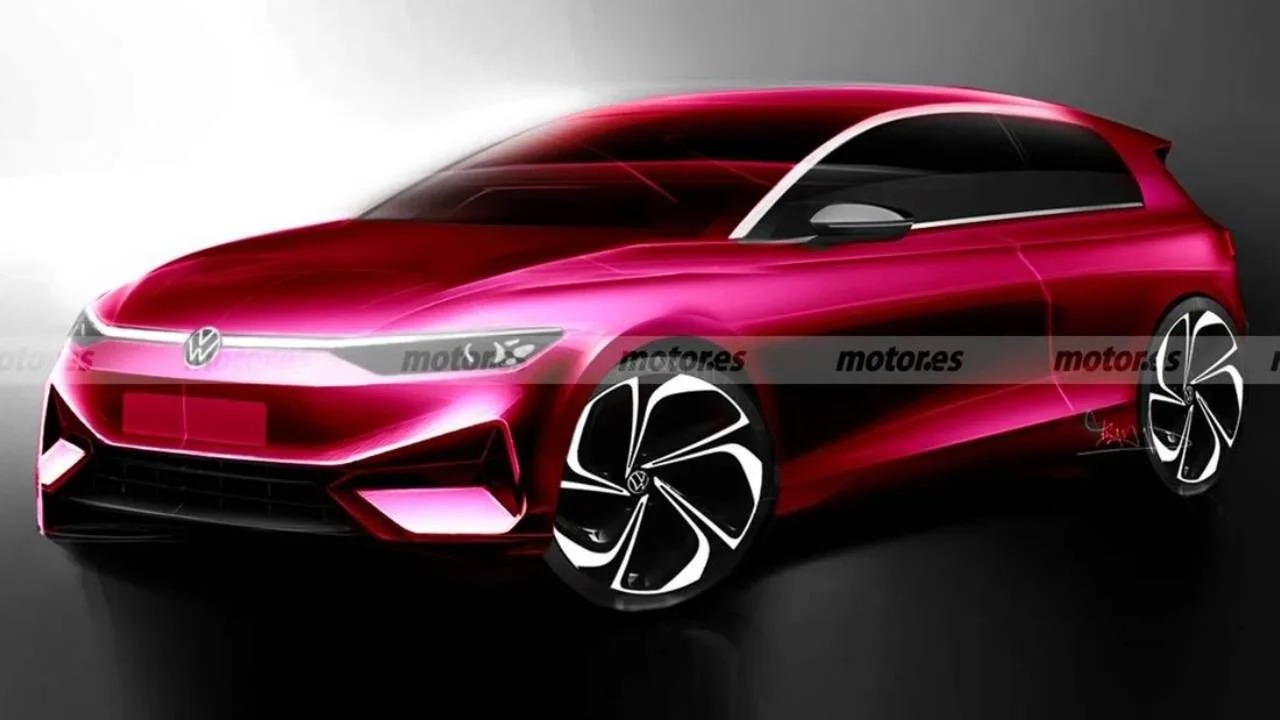
Volkswagen recently paused development of the ID. Golf electric model, though reports suggest a possible restart in early 2027. How the lack of gigacasting—and the resulting higher production costs—might affect this and other electric projects remains to be seen. More details are expected as Volkswagen decides how to manage the Wolfsburg plant’s future in the evolving electric market.
Source: motor.es

Software Developer & Tech Journalist. Creator of Autodatalog.com. Experienced in Python, PHP, PostgreSQL, and Android system modifications. Whether I'm writing Python automation scripts, or exploring the technical specs of Fiat/Alfa Romeo engines, I love reverse-engineering how things work. Based in Istanbul, Turkey.