
Dacia is set to launch the fourth-generation Sandero supermini in spring 2028. While keeping the current model’s basic size and platform, this update will introduce electric power for the first time alongside refreshed styling and a revamped interior.
New Look and Familiar Size
The 2028 Sandero will remain about 4.10 metres long, continuing to use the existing RGMP Small platform inherited from the Renault Clio. This means the roof, doors, and basic body shape will be similar, helping Dacia cut development costs and keep its pricing competitive.
Though the overall shape won’t change much, expect redesigned front-end styling inspired by Dacia’s new Striker estate-SUV. Inside, a thoroughly updated dashboard will bring more stylised textures and chunky controls, following the brand’s trend for practical yet modern cabins.
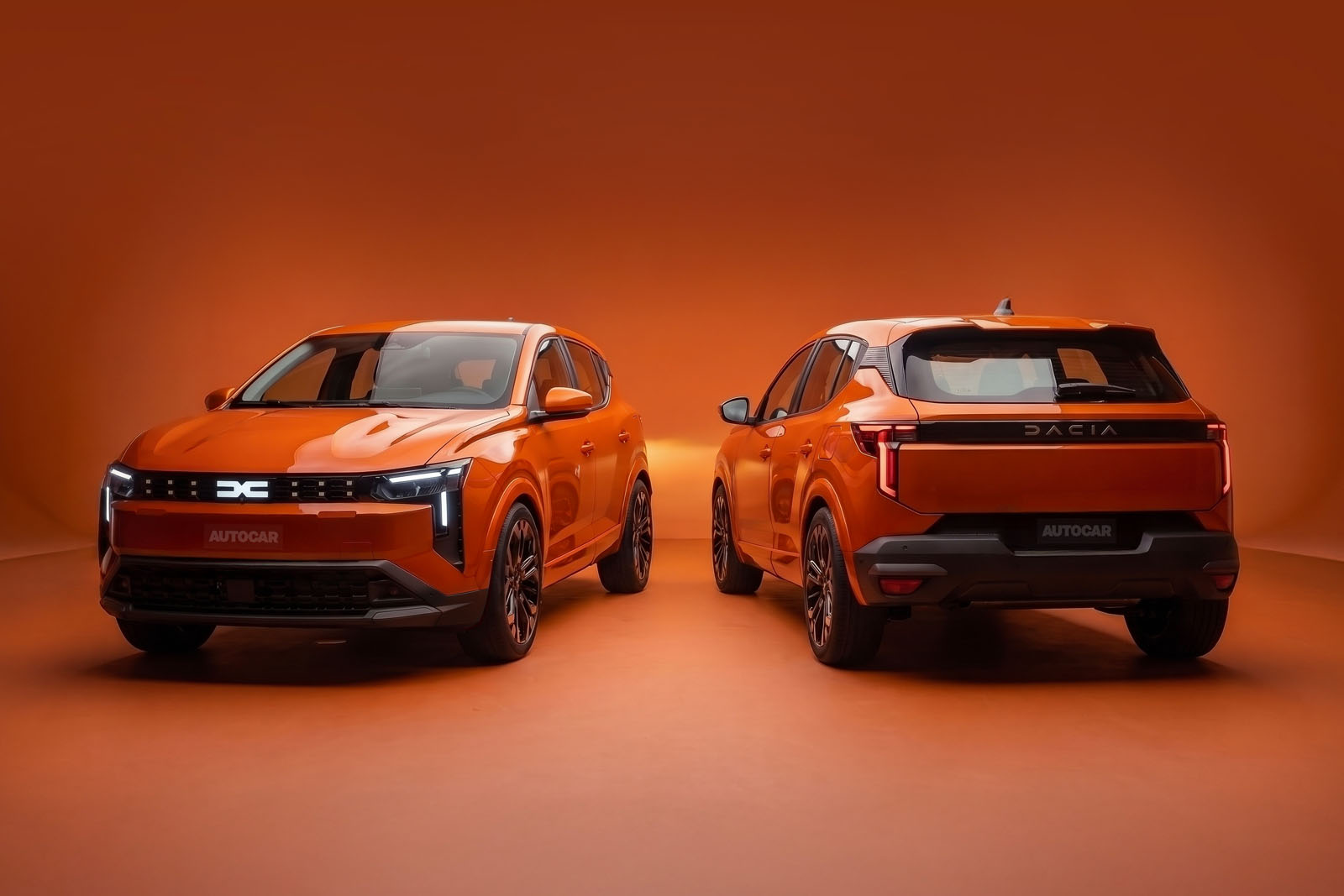
Electric Power Joins the Range
The biggest technical change is the addition of a fully electric model. Dacia has adapted the RGMP platform to fit an electric motor and underfloor battery despite the platform’s original design for petrol and hybrid engines. This has required some technical compromises but also led to a weight reduction of about 100kg, aiding efficiency.
The electric Sandero will use the same 107bhp Shanghai e-Drive motor and 44kWh lithium-iron-phosphate battery found in the entry-level Renault 5 EV. While initial range targets were around 242 miles, recent information suggests it may achieve over 249 miles on the WLTP cycle.
The EV version aims to lower Dacia’s fleet emissions and is expected to have a starting price near £18,500. This price positions it close to rivals like the Citroën ë-C3 and Fiat Grande Panda electric models as well as several new Chinese small EVs.
Engine Updates and Stepway Plans
The petrol lineup will see a new 1.2-litre TCe engine replacing the current 1.0-litre entry unit. It will deliver around 99bhp and likely come with a somewhat lower starting price. For hybrid buyers, a new full-hybrid option will use a 114bhp 1.2-litre three-cylinder TCe engine shared with Renault’s Clio and Captur. This replaces the current 153bhp 1.8-litre full hybrid from the Duster, better suiting supermini-sized customers.
Dacia initially planned to replace the rugged Stepway variant with a separate small SUV similar to the Renault Captur. However, this project was scrapped in 2025 to save costs. Instead, the Stepway will remain a raised, more rugged version of the Sandero hatchback, with higher ground clearance, black cladding, and roof rails. According to Dacia’s design chief, this keeps the two models aimed at distinctly different buyer groups.
Production of the 2028 Sandero will begin in Morocco in April 2028, with sales starting later that summer.
Source: autocar.co.uk

Software Developer & Tech Journalist. Creator of Autodatalog.com. Experienced in Python, PHP, PostgreSQL, and Android system modifications. Whether I'm writing Python automation scripts, or exploring the technical specs of Fiat/Alfa Romeo engines, I love reverse-engineering how things work. Based in Istanbul, Turkey.