
After struggling with low sales and multiple recalls, Tesla has confirmed it will stop making the Cybertruck in its Texas factory by mid-2027. The company plans to reallocate production capacity to the new Cybercab, an autonomous vehicle without a steering wheel or pedals that represents Tesla’s future direction.
Cybertruck Fails to Meet Sales Expectations
When the Cybertruck launched at the end of 2023, Tesla expected to sell around 250,000 units annually across various trims. However, sales have fallen far short of this goal. In 2024, Tesla delivered just under 39,000 Cybertrucks, and in 2025, the number reportedly dropped to about 20,200 units.
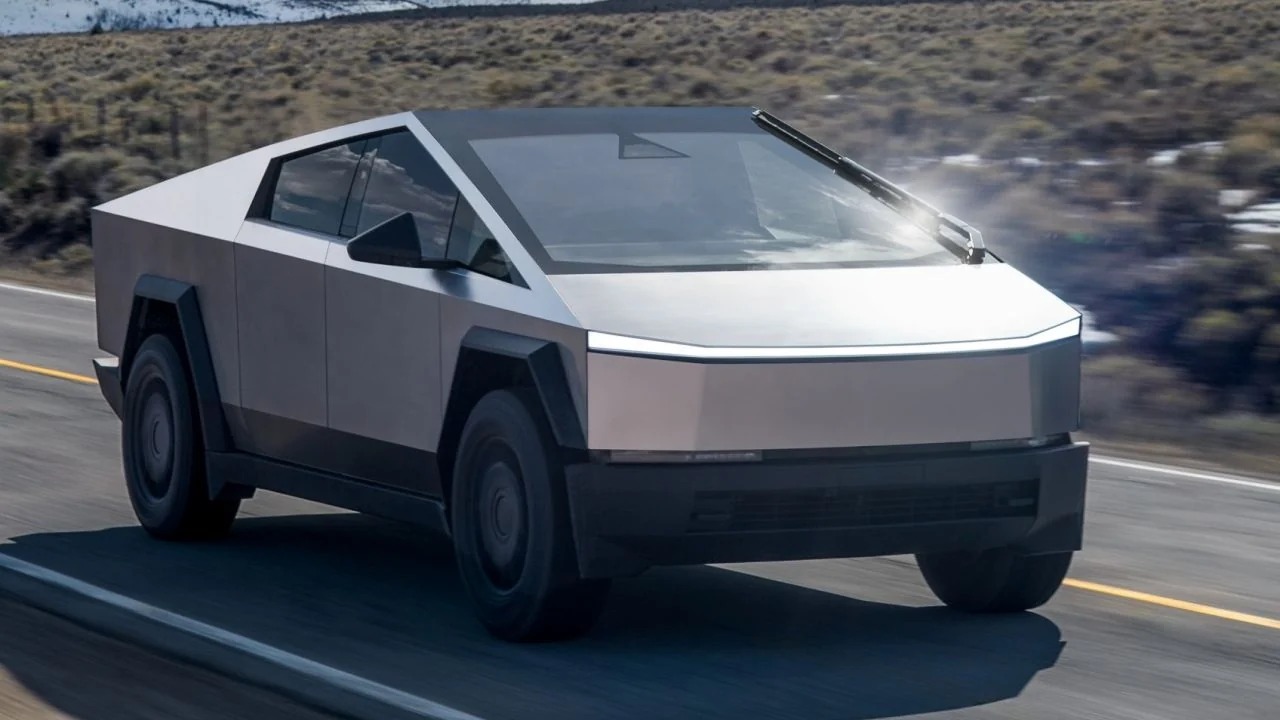
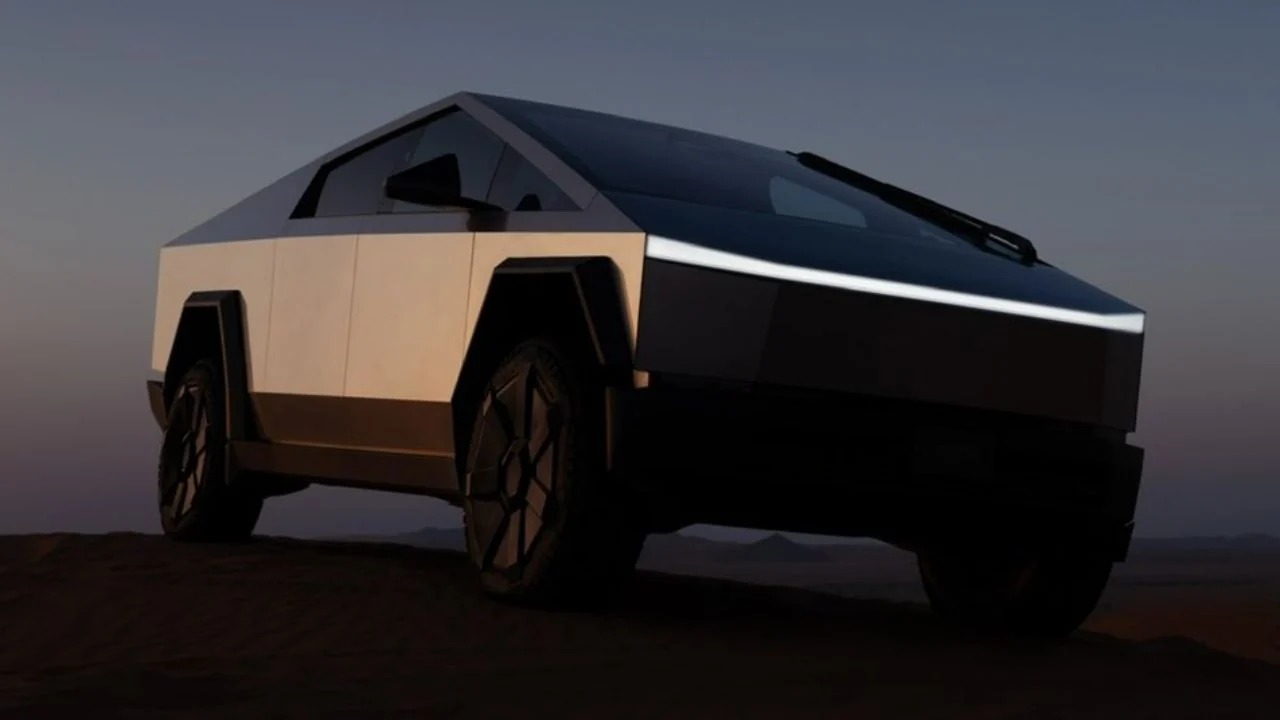
The Cybertruck’s unique stainless steel body and sharp design, inspired in part by the DeLorean DMC-12, made it a distinctive vehicle but one difficult to certify in many markets, especially Europe. Its rigid steel edges and unusual shape don’t meet Europe’s pedestrian safety regulations, making it impractical there.
Technical Issues and Recalls Cloud Cybertruck’s Launch
Beyond low sales, the Cybertruck also faced several problems. The United States’ National Highway Traffic Safety Administration (NHTSA) issued 11 separate recalls related to mechanical failures and software glitches. While the software bugs were fixed via over-the-air updates, the mechanical defects required physical repairs, weighing on the vehicle’s reputation.
Elon Musk maintains that the Cybertruck is “the best vehicle Tesla has made,” despite the underwhelming market reception and technical troubles. He described ending its production as “the end of an era” for Tesla’s electric pickup.
Shift to Cybercab Autonomous Vehicle Raises Regulatory Questions
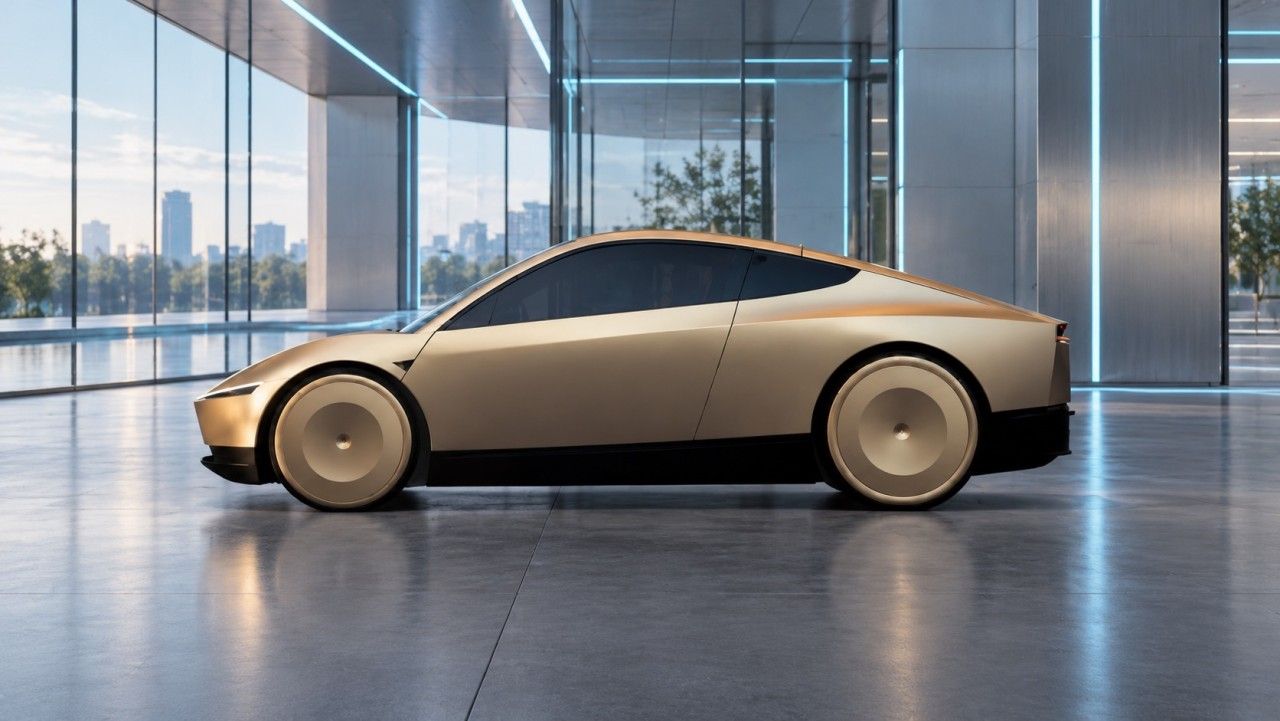
Tesla is moving production towards the Cybercab, a fully autonomous vehicle that has already been deployed in limited numbers in Texas. Unlike traditional cars, the Cybercab lacks a steering wheel, brake pedal, and mirrors, focusing entirely on robotaxi functionality.
However, this new model is under scrutiny by NHTSA, which is investigating how Tesla certified it without conventional controls. Tesla has only supplied fire safety information, which does not address regulators’ broader questions about compliance and safety standards. The company has kept other certification details confidential. Despite these concerns, the Cybercab has not officially violated U.S. regulations so far.
Market Challenges for Electric Pickups in the U.S.
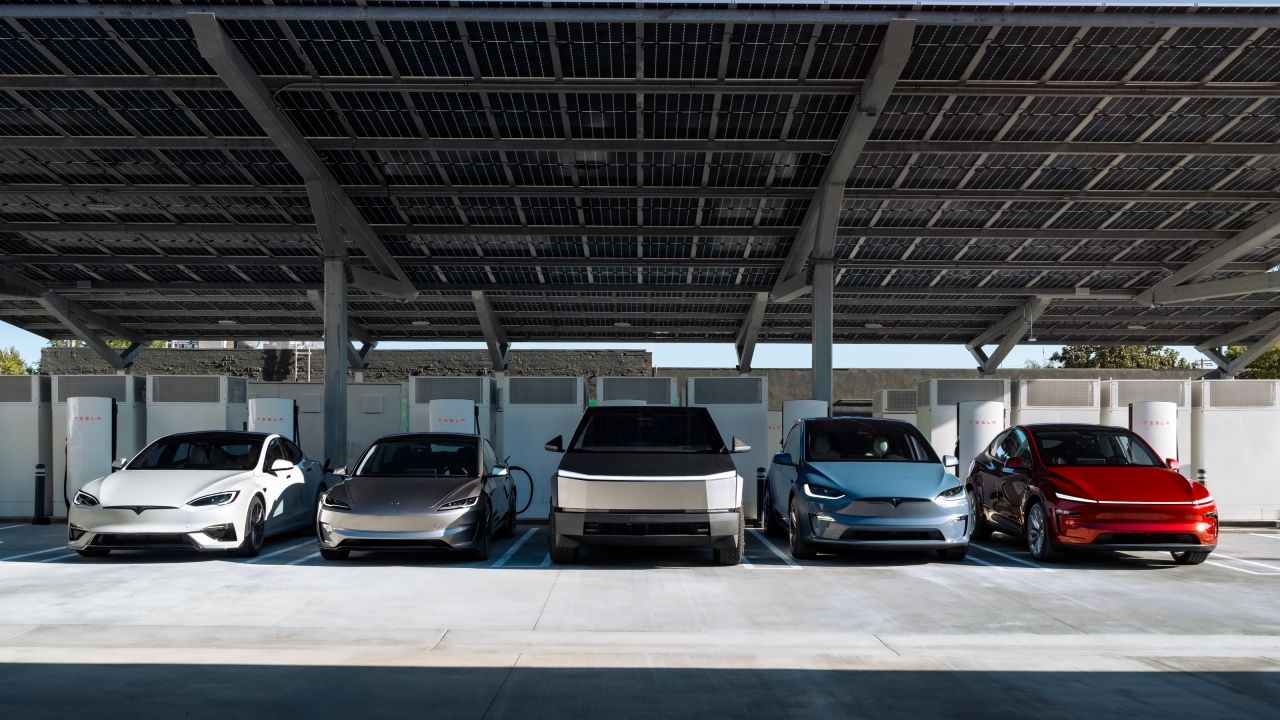
The Cybertruck’s struggles reflect wider difficulties for electric pickup trucks in the U.S. Ford’s electric F-150 Lightning, which had better sales, was canceled by the end of 2025 due to insufficient demand. Analysts suggest that electric pickups are still unpopular across much of the U.S., limiting the appeal of vehicles like the Cybertruck.
The Cybertruck will continue production until mid-2027, alongside the Model S and Model X until those were phased out earlier in 2026. Tesla’s future seems to lean heavily towards autonomous electric vehicles like the Cybercab, even as regulatory and market challenges remain.
Source: motor.es