
Starting November 29, 2026, the new Euro 7 emissions standard will introduce stricter monitoring of vehicles beyond exhaust emissions. For the first time, the rules will also cover electric cars and include checks on brakes, tires, and battery health. Notably, if a serious emissions fault is ignored for too long on petrol or diesel cars, the car’s use may be restricted.
More Than Just Emissions Limits
Unlike previous updates, Euro 7 maintains much the same exhaust limits as Euro 6. For example, petrol cars still need to stay under 60 mg/km of nitrogen oxides, and diesel under 80 mg/km. But what’s new is how emissions are tested. The measurement now counts smaller particles starting from 10 nanometers (down from 23 nm before). This makes compliance harder, even if the overall limits remain similar.
Euro 7 applies to all new passenger cars and vans approved after November 29, 2026. Older Euro 6 models can be sold until late 2027 and continue to be used and resold afterward. The new rules are not retroactive.
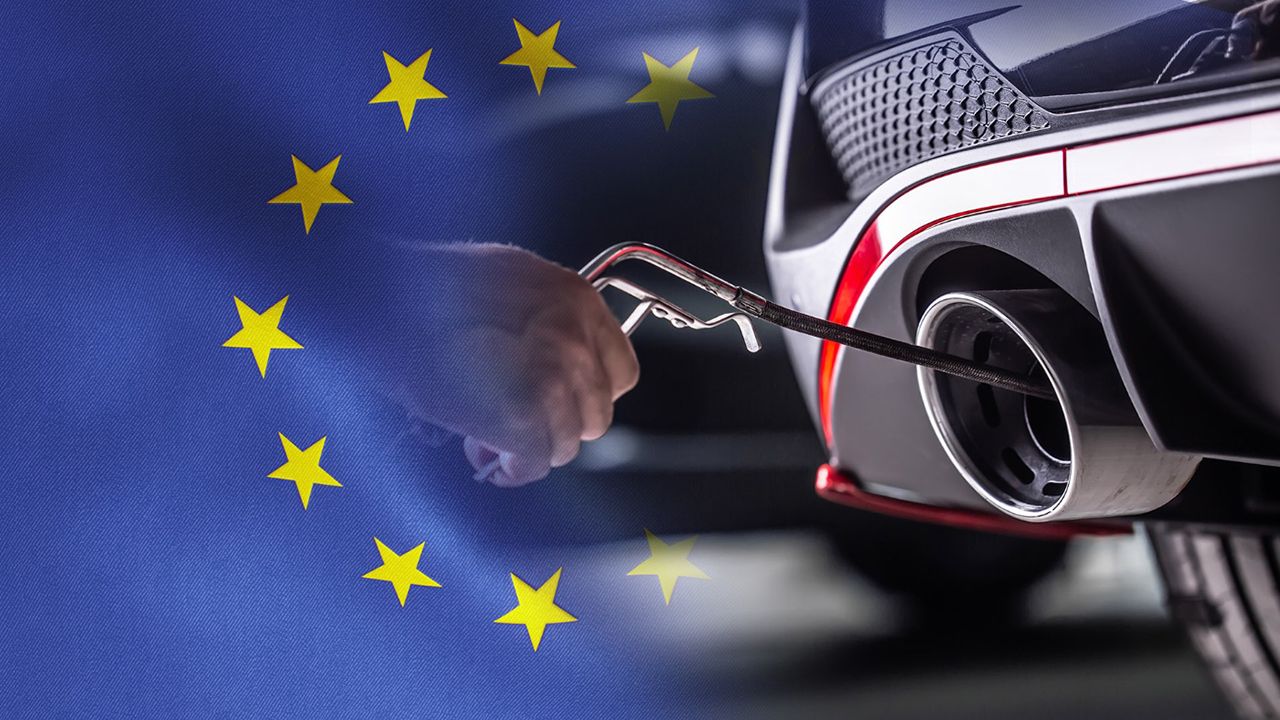
On-Board Monitoring and Enforcement
The standard demands continuous emission control during the car’s life, not just at the day of initial approval. Vehicles must prove compliance over 160,000 km or eight years, with a slight relaxation allowed up to 200,000 km or ten years.
To enforce this, cars must have on-board monitoring systems that spot when emissions exceed 2.5 times the legal limit or if tampering is detected. The driver gets a warning first and then a persistent alert.
If the issue is not fixed within 2,400 km, the vehicle manufacturer can limit the car’s use. For example, they could restrict how many times the engine can be started (up to 20 times), prevent restarting after refueling, or block the fuel tank. The engine will not stop while driving but won’t start again once turned off until repaired.
This is a significant change assuring owners cannot ignore major pollution faults. Repairs after warranty will be entirely the owner’s responsibility, which could be costly if parts like particulate filters or catalysts need replacement.
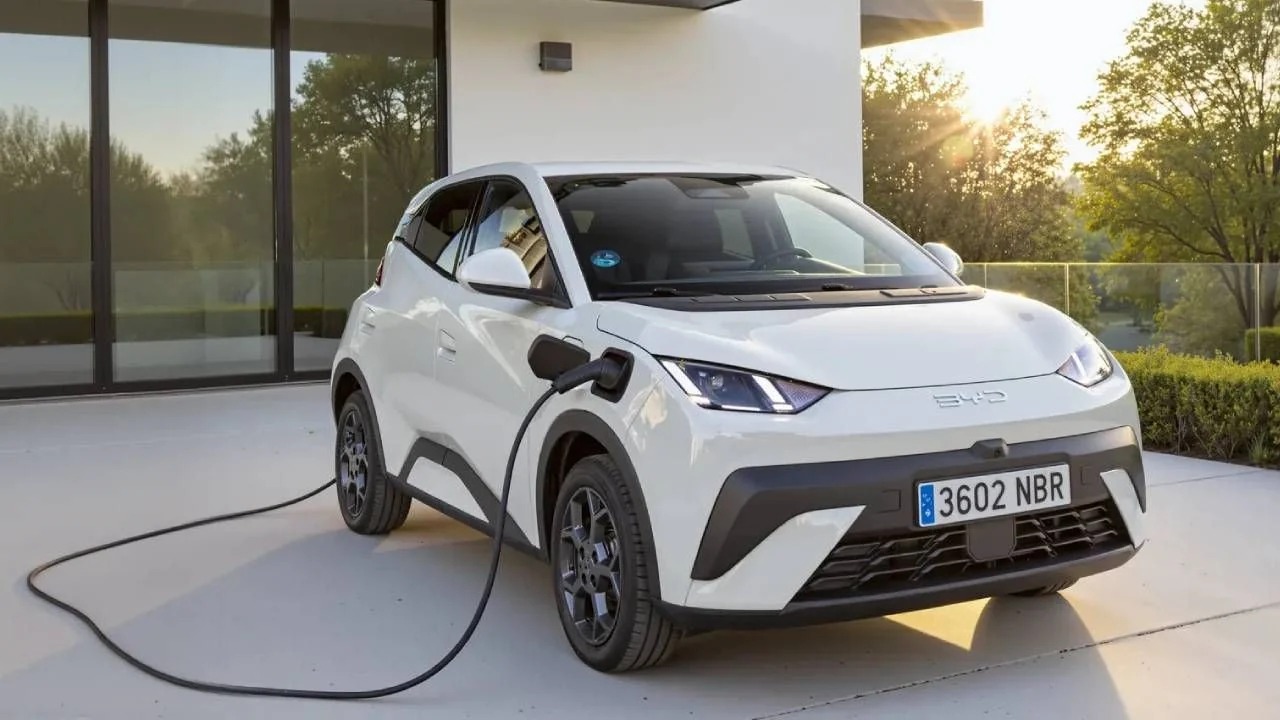
New Limits Also Target Brakes, Tires, and Batteries
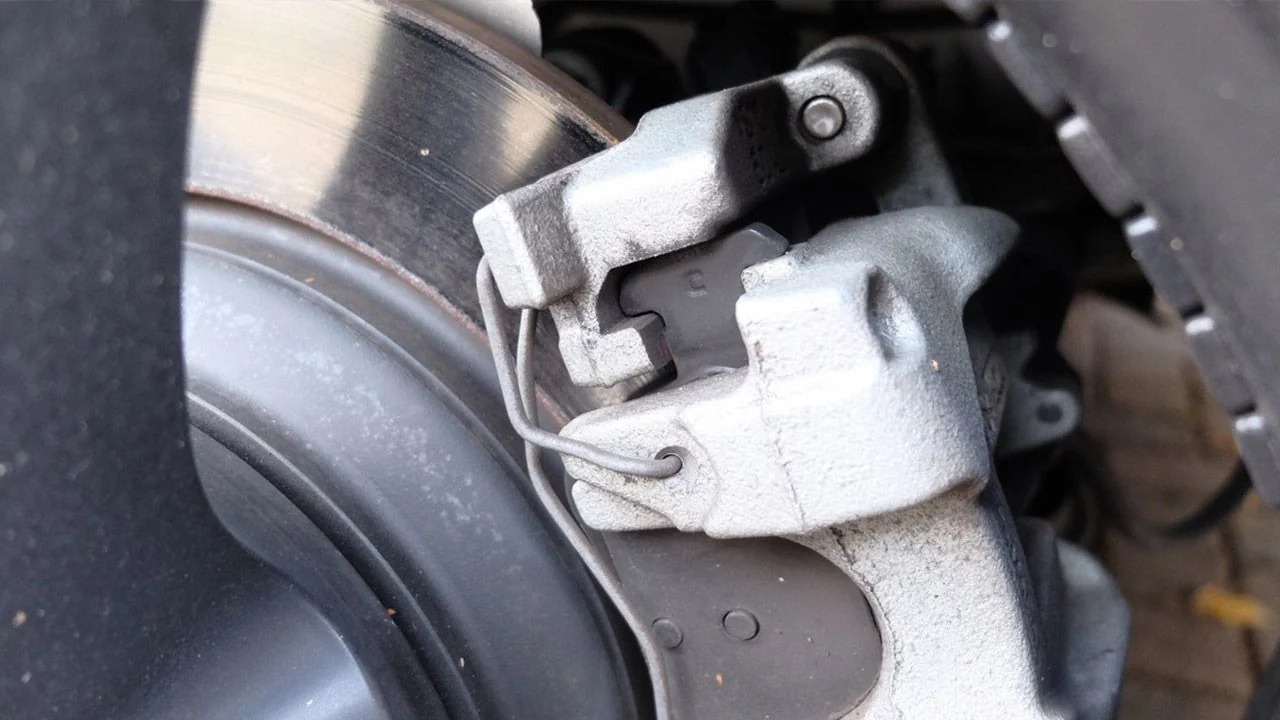
Euro 7 introduces pollution limits from brake dust for the first time. Combustion and hybrid vehicles have a limit of 7 mg/km, while electric cars have a lower limit of 3 mg/km. Tire wear is also included, but precise limits and test methods are still being standardized.
Battery degradation is now regulated as well. Electric and plug-in hybrid car batteries must retain at least 80% of their capacity after five years or 100,000 km, and at least 72% after eight years or 160,000 km. This sets a new standard for second-hand electric vehicles.
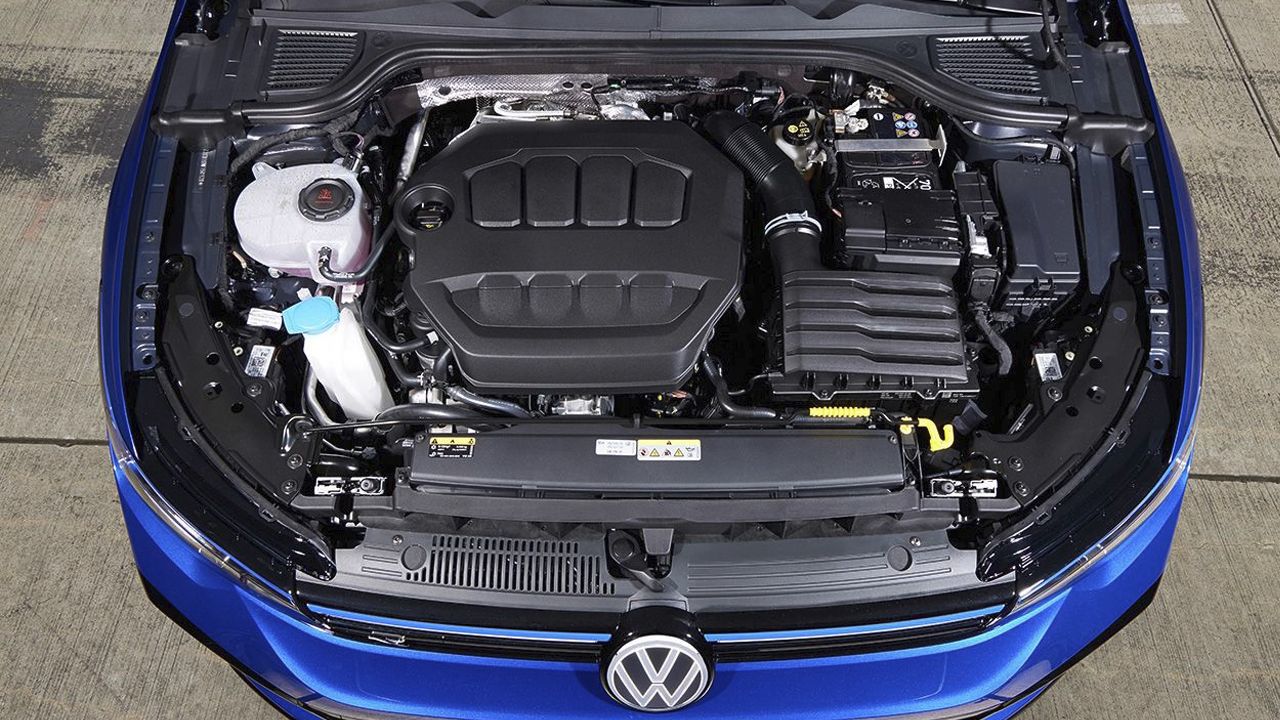
Impact on Pricing and Model Availability
The new testing, sensors, and durability requirements mean higher costs for manufacturers. Estimates suggest expenses per car could range from around €450 to nearly €2,000, depending on the model.
This might lead brands to drop certain engines or trims, but the Euro 7 rules do not explicitly ban any options. Instead, manufacturers may make commercial choices based on cost and compliance challenges.
Overall, Euro 7 will not drastically lower emission limits but marks a major step in making pollution controls tougher and long-lasting during a vehicle’s life. It also brings new responsibilities and potential costs for owners of combustion engine cars.
Source: motor.es