
Mercedes is testing new display technologies that embed screens into vehicle windows and windshields. The innovations aim to improve safety by letting cars communicate more clearly with other road users.
LED Displays Worked Into Rear Glass
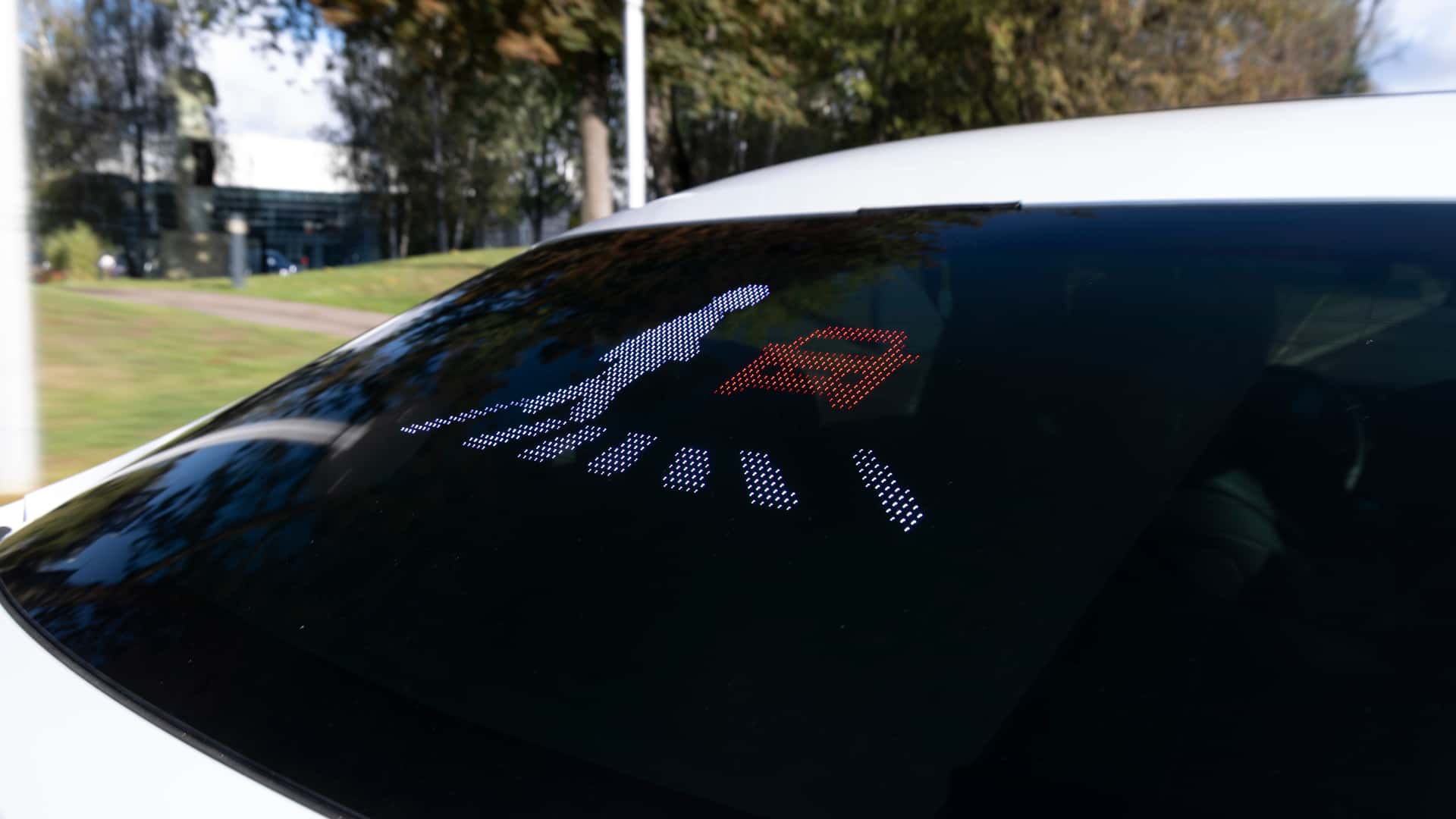
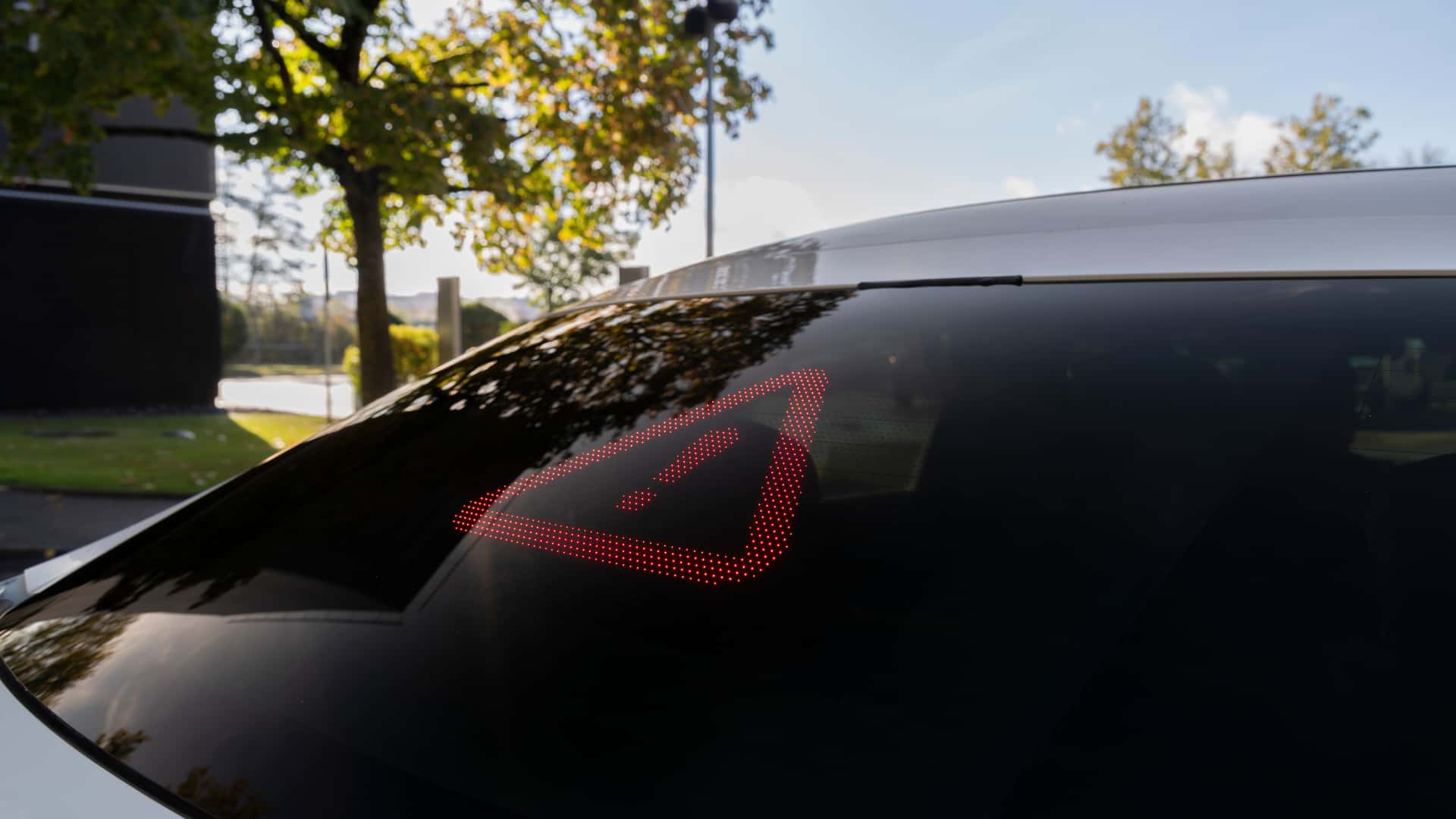
The automaker is developing LED screens built into rear windows using tiny LED lights laminated inside the glass. These LEDs remain nearly invisible when off but can show brake lights, warning symbols, or traffic information when needed. Two types of LEDs are being tried: mini-LEDs for larger, simpler message areas and micro-LEDs that allow detailed graphics and animations.
This means the car could display safety messages directly to drivers behind it, adding a layer beyond traditional brake and indicator lights. The tech aims to boost visibility and communication, especially in tricky traffic situations.
Windshield as a Holographic Display
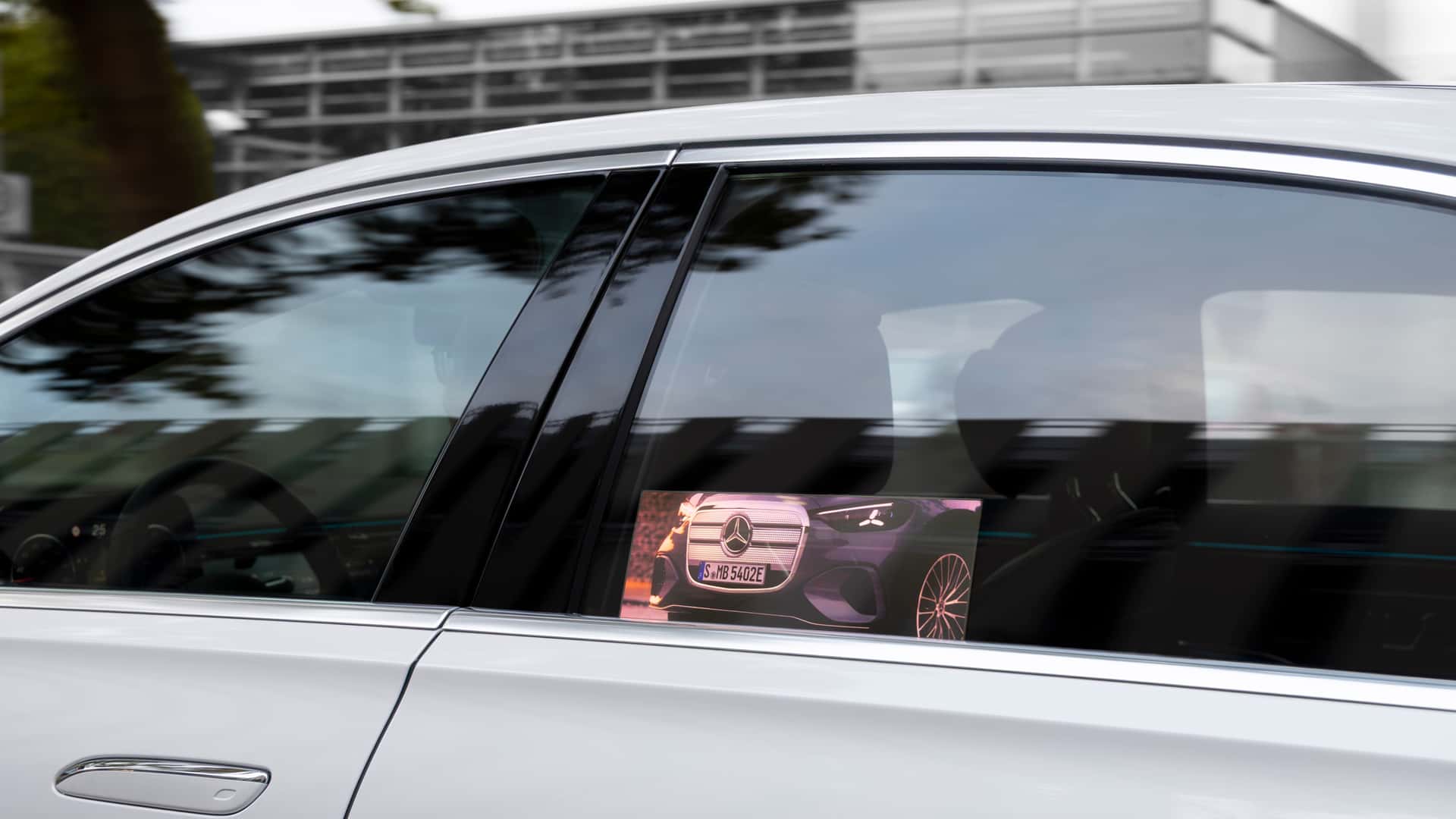
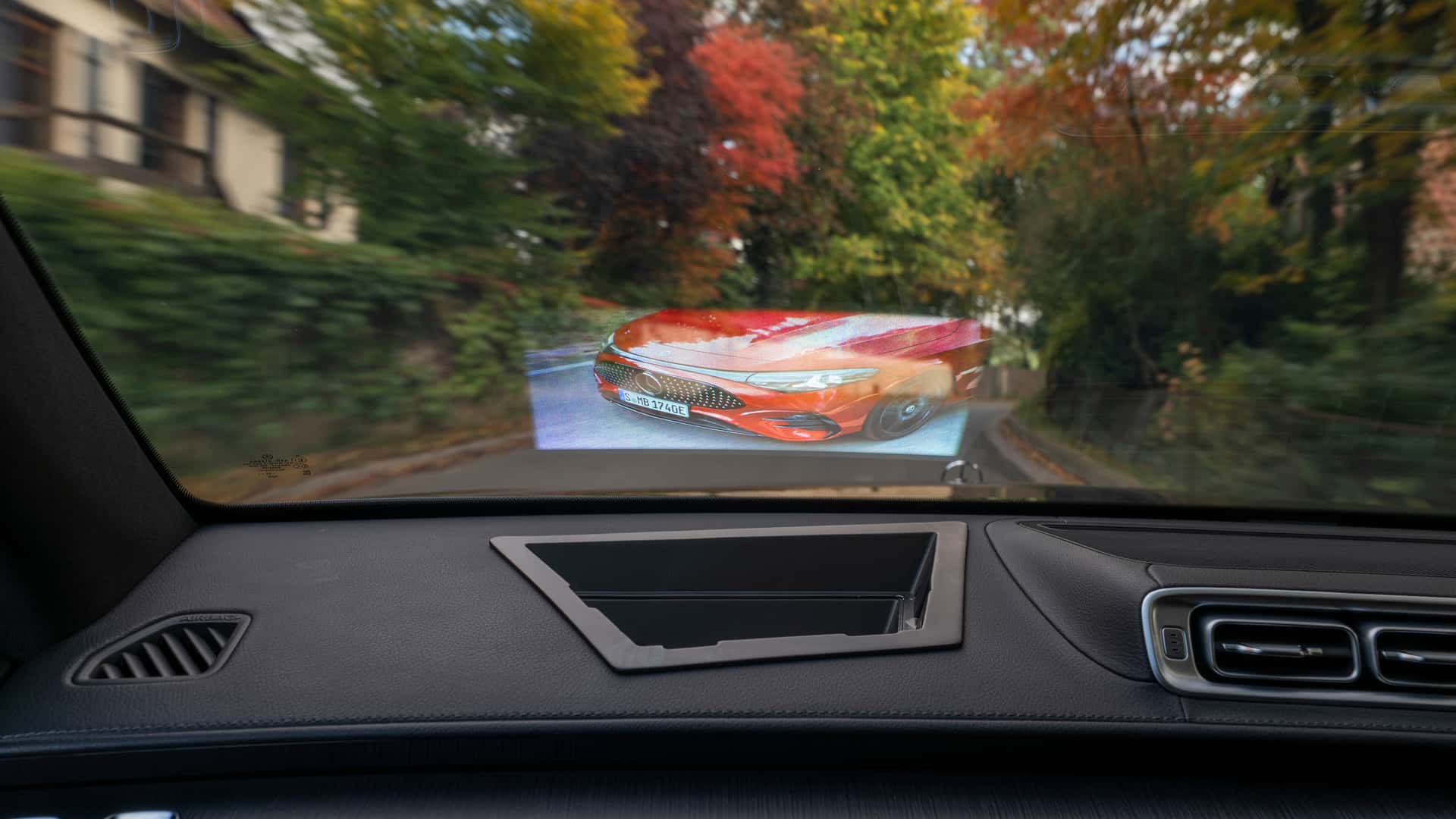
Mercedes is also working on turning windshields into holographic surfaces. Using a projector inside the dashboard, images can be shown on a special film laminated inside the glass. This film reflects the light so that graphics stay clear even in sunlight.
The system displays images only at certain angles, meaning the driver and passenger each see different content without overlap. Potential uses include navigation prompts, driving info, video calls, and entertainment. Crucially, the images appear only when necessary, so the windshield doesn’t become a full-time screen that might distract drivers.
Practical Considerations and Costs
While these display ideas sound innovative, they raise questions about repair costs. Replacing a standard car window is already costly, but integrating LEDs and holographic films makes glass repairs more complex and expensive. Damage from accidents or even minor cracks could lead to pricey replacements for these smart windows.
How This Compares to Audi’s Approach
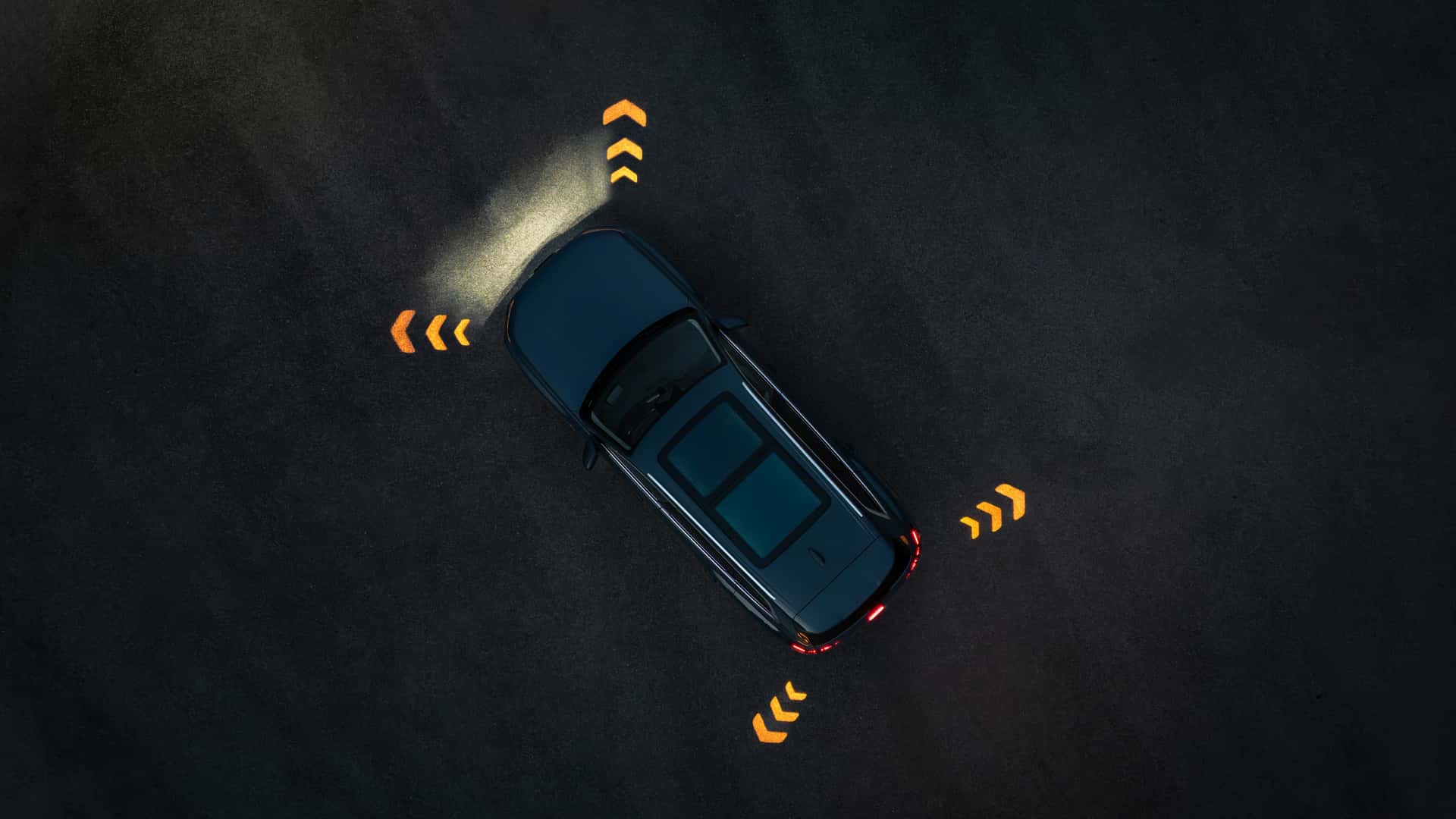
Mercedes isn’t the only brand exploring new safety displays. Audi, for example, projects animated turn signals directly onto the road from its Q7 and Q9 SUVs. Their headlights and taillights cast arrows to show turning intentions more clearly to others on the road, which adds safety, especially at night.
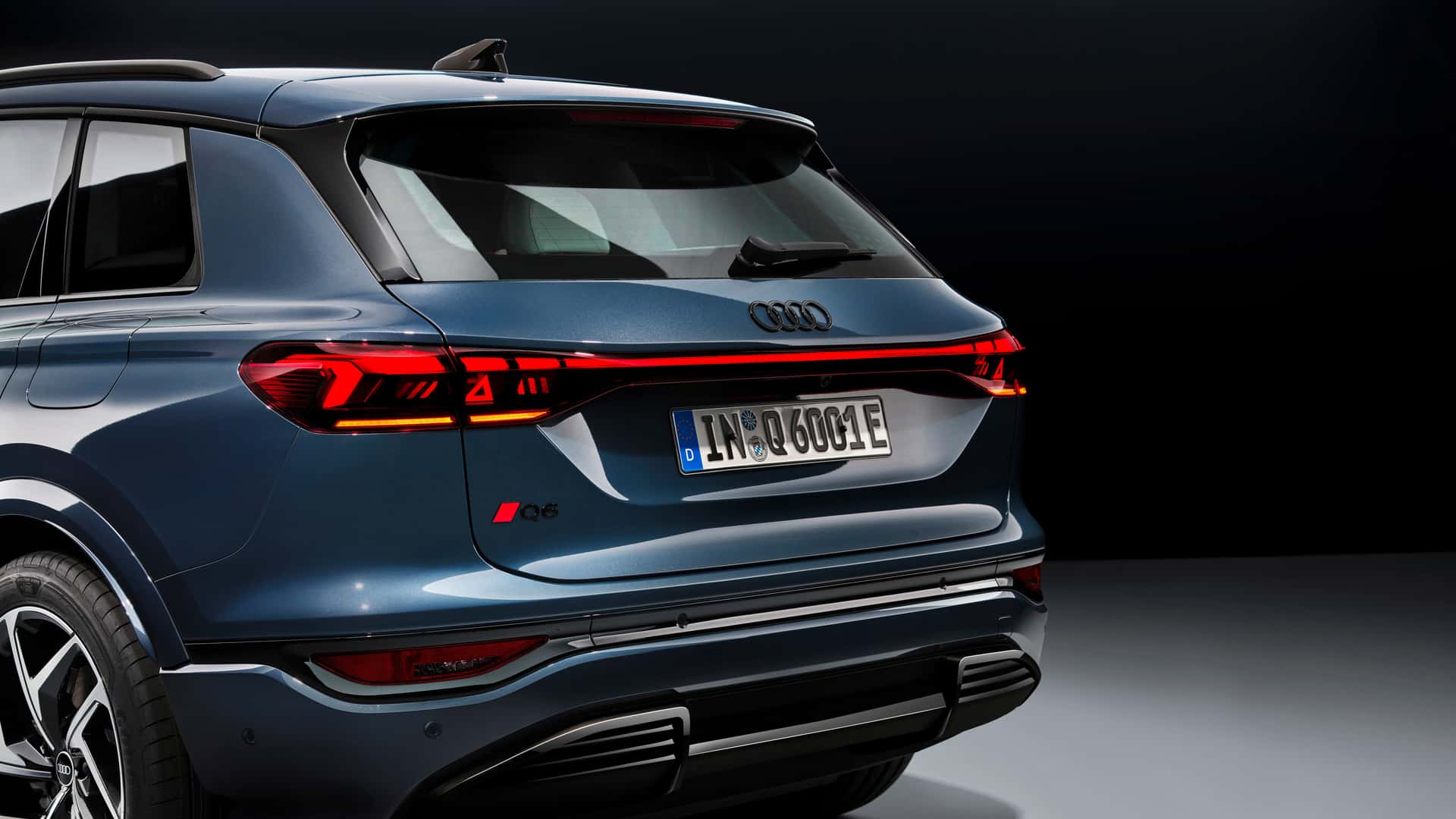
Additionally, Audi uses OLED taillights that can flash warning symbols to alert drivers behind. Compared to Mercedes’ glass-embedded LEDs and holograms, Audi’s approach focuses on external projection lighting, showing different ways carmakers are trying to improve communication around vehicles.
As manufacturers keep pushing technology to make driving safer, it remains to be seen which innovations will become standard. Mercedes’ window and windshield displays highlight how automakers are finding new spaces to add screens, balancing high-tech features with practical challenges.
Source: motor1.com