
Renault is planning a big change for the next-generation Mégane, due in 2028. The compact car will adopt the new RG EV Medium 2.0 platform, marking a shift from its current layout by moving the electric motor to the rear axle. This departure from the front-motor design aims to improve handling, power, and production efficiency.
New Platform and Rear-Motor Setup
The upcoming Mégane will be built on Renault’s RG EV Medium 2.0 platform. This new architecture also underpins the next generation of the Scénic and the all-electric Rafale. Unlike the current Mégane E-Tech, which places the motor at the front, the 2028 model is expected to move the electric motor behind the rear seats. This placement reduces weight and wiring complexity, which may lower production costs and improve driving dynamics through better weight distribution.
Renault’s technology chief, Philippe Brunet, highlighted the challenges of front-wheel drive in electric vehicles like the current Scénic and Mégane, suggesting that the rear-motor setup will result in better driving experience and easier tuning.
Updated Design and Performance Expectations
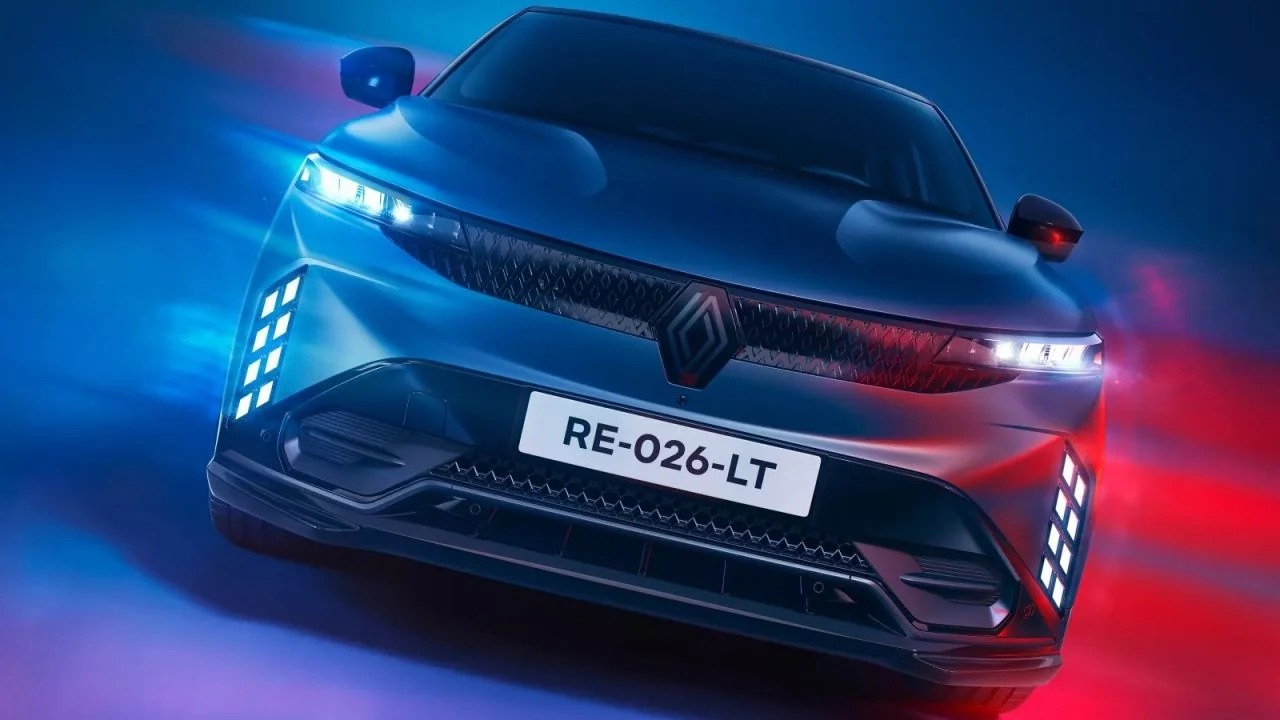
The 2028 Mégane appears set to adopt a more upright, hatchback style that’s distinct from the sportier look of the previous generation. While the compact’s length is expected to remain around 4.2 metres—slightly shorter than the larger Scénic—the new design will likely favor a more timeless and restrained look, avoiding the retro styling seen in Renault’s electric 5 and Twingo models.
Laurens Van den Acker, Renault’s design chief, said the new Mégane’s style will be modern but controlled, reflecting the brand’s “Latino” character—less emotional than Italian cars but warmer than German designs.
Powertrain and Range Possibilities
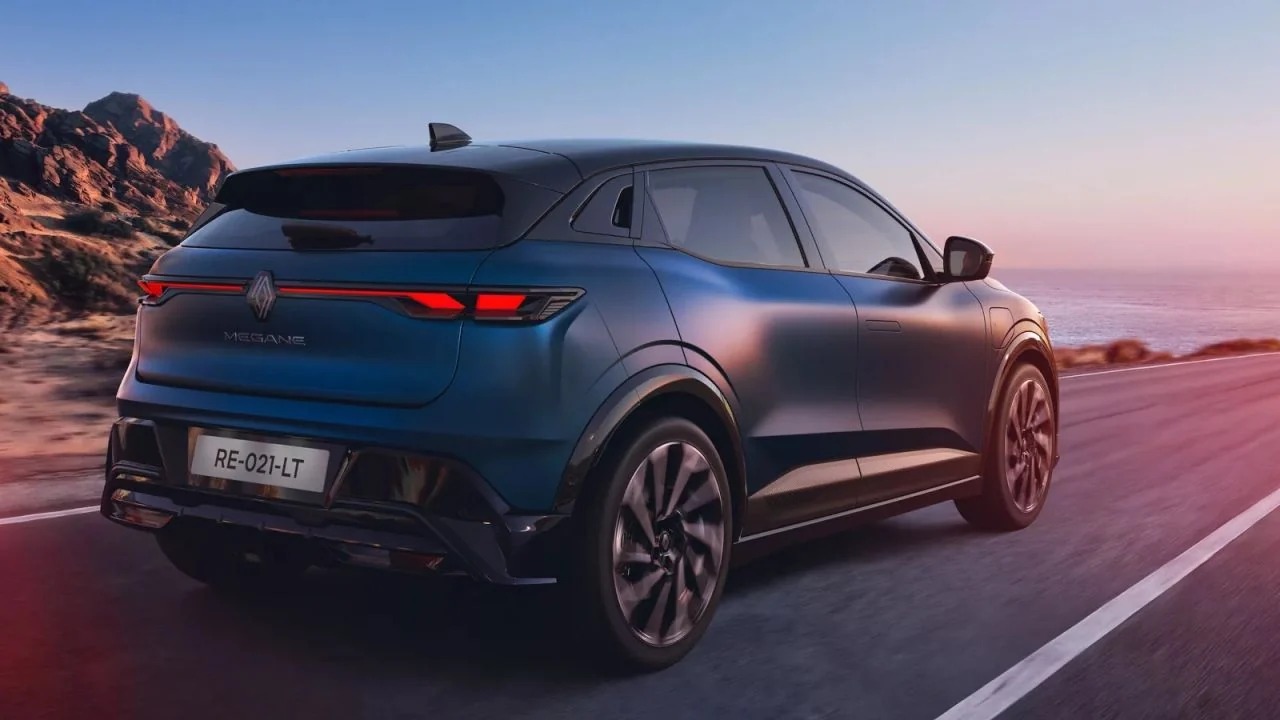
Renault may offer both fully electric (BEV) and electric range-extended (E-REV) versions based on this platform. The BEVs are expected to reach about 750 km of range, while the range-extended models could achieve up to 1,400 km through a small combustion engine acting as a generator.
Power output is anticipated to rise from the current 220 hp and 300 Nm to roughly 275 hp and 350 Nm. Additionally, all-wheel-drive variants are likely as part of the updated lineup, a step up from the front-wheel-drive-only versions now available.
Local Production and Market Outlook
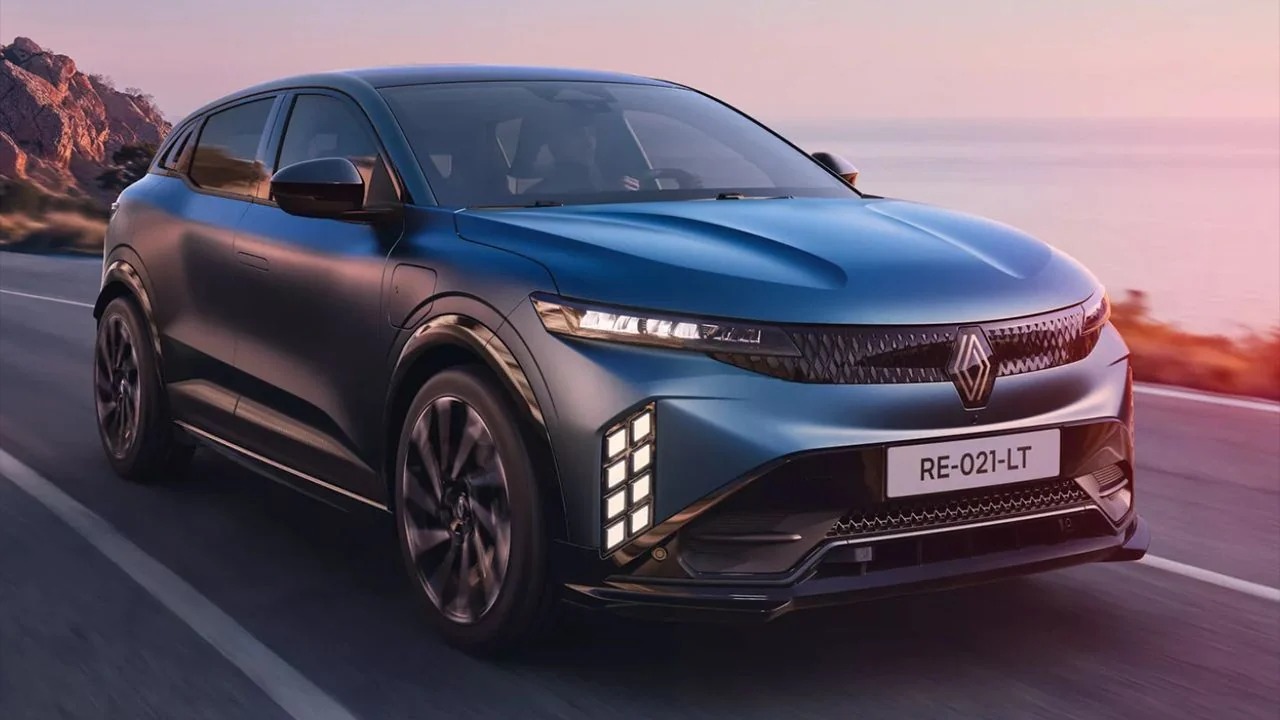
Renault’s Spanish factories in Valladolid and Palencia will play a key role in producing the next Mégane and other future electric models. This underlines the brand’s commitment to shifting more of its electric vehicle production to Europe.
So far, Renault has not revealed many details about the interior or pricing. The prototype is still in development at their Technocentre in Paris, with more information expected as the launch approaches in a few years.
Source: motor.es