
Stellantis has shut down its engine factory in Douvrin, France, after 57 years of operation. The plant produced more than 52 million engines, including the widely known but problematic 1.2L PureTech. This closure marks the end of a major chapter in European engine manufacturing.
A Long History of Engine Production
The Douvrin plant was set up in 1969 by Peugeot and Renault to boost industry in a mining region facing economic decline. It started operations in 1971 and soon began producing engines like the X family and the famous TU series, which reached over 15.6 million units by 2013.
At its peak, the factory employed nearly 5,800 people and was one of Europe’s top engine producers. Following the PSA Group’s full ownership from 2014 and the 2021 merger with FCA, the plant became part of Stellantis.
End of PureTech Production and Legacy of Issues
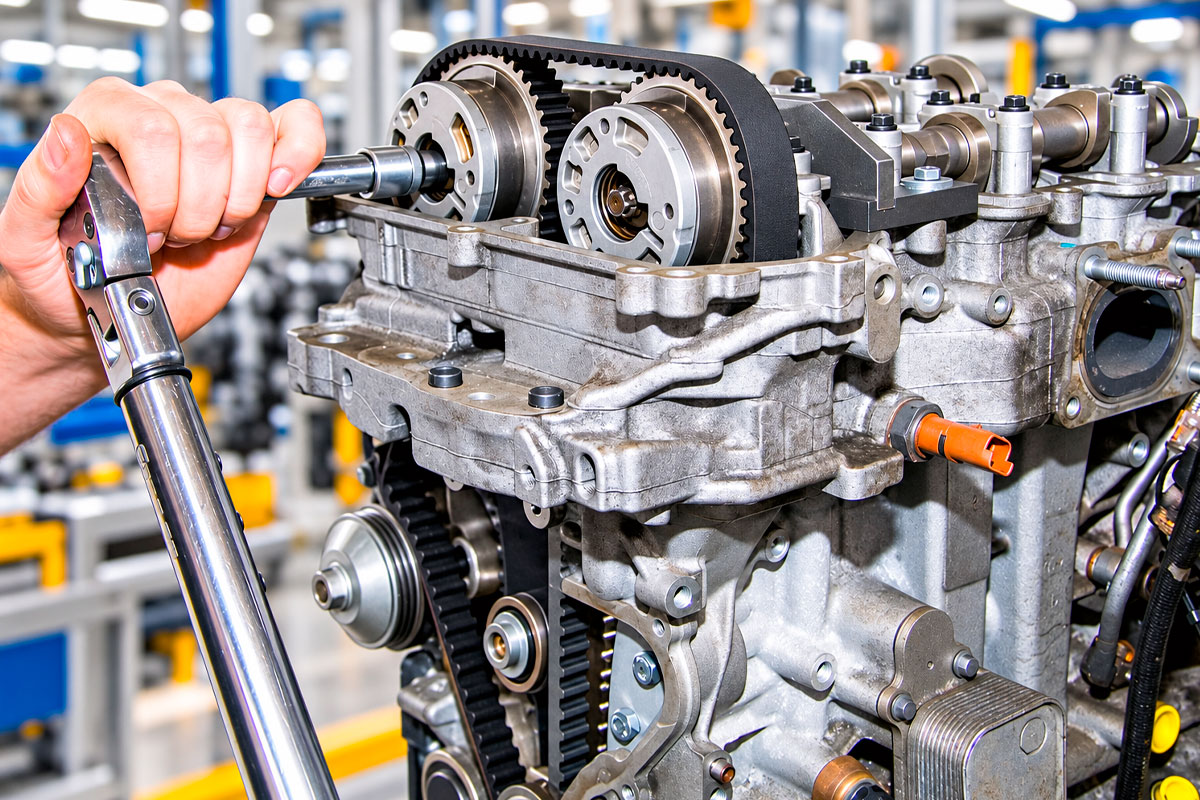
From 2013, the factory produced the 1.2L PureTech engine, alongside other PSA engines like the 1.5 BlueHDi and the older 1.6 THP. The PureTech gained a reputation for reliability problems, especially with its oil-bathed timing belt system.
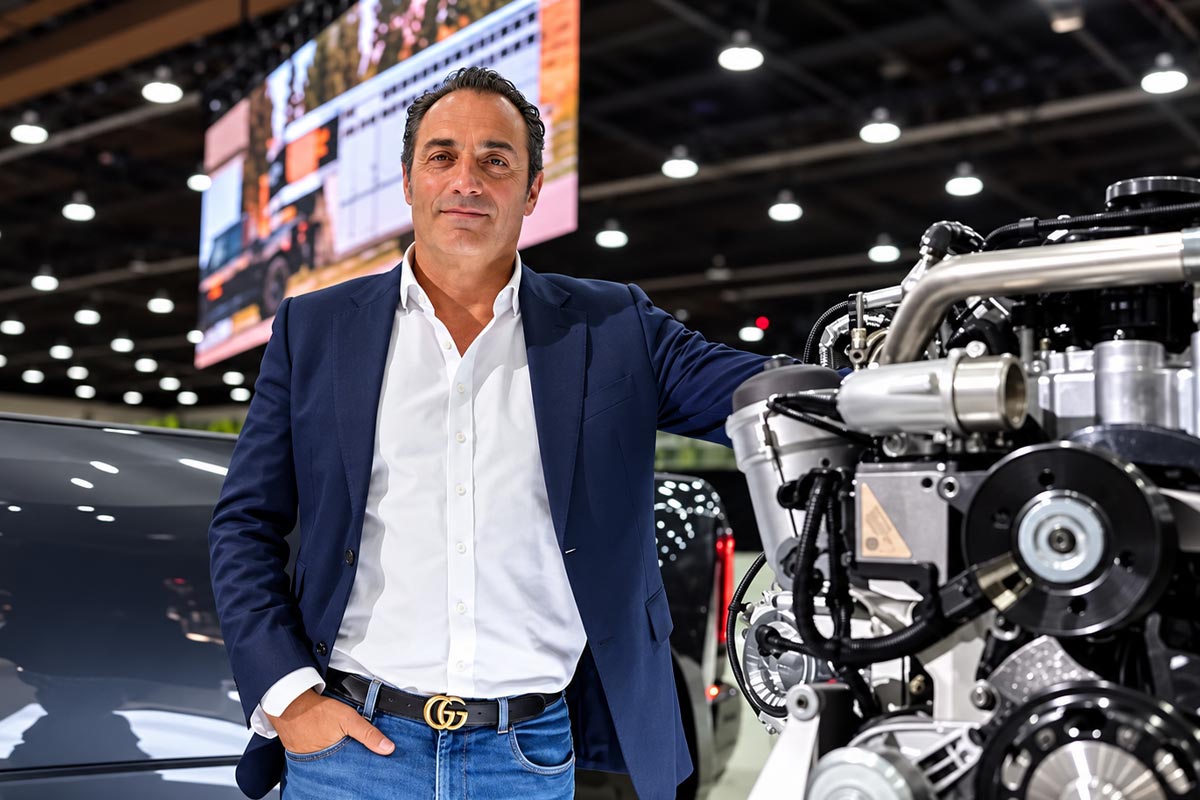
The closure of the Douvrin plant was planned years ago, even before Stellantis CEO Antonio Filosa issued a public apology on October 19, 2026, addressing PureTech engine issues and committing to improved quality. While final engine assembly had stopped earlier, full operations ended on October 30, 2026.
The latest 1.2L PureTech generation, now renamed as the EB2 engine, continues production at the Stellantis facility in Szentgotthard, Hungary.
Unexpected Connections to Alfa Romeo Racing
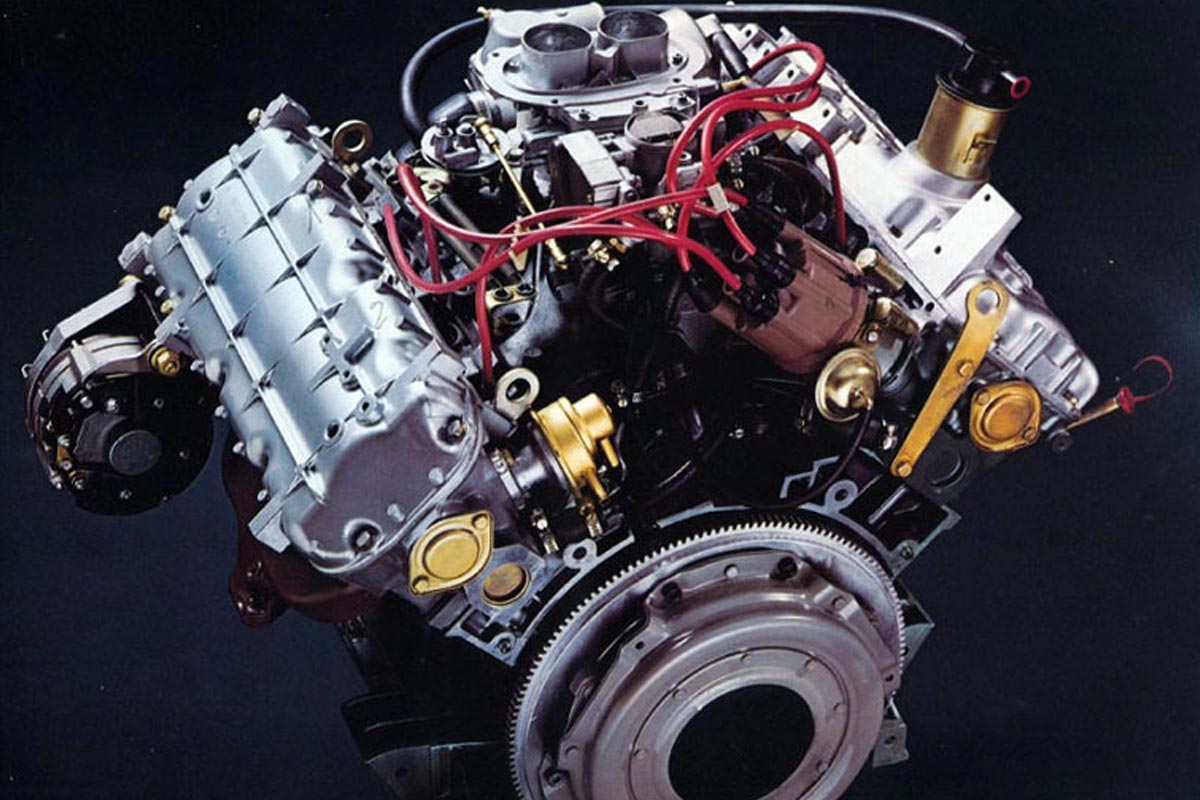
Douvrin’s history includes more than just Peugeot and Renault engines. Starting in 1974, it produced the PRV V6, a joint effort among Peugeot, Renault, and Volvo. This engine powered cars like the Lancia Thema and even the DeLorean DMC-12.
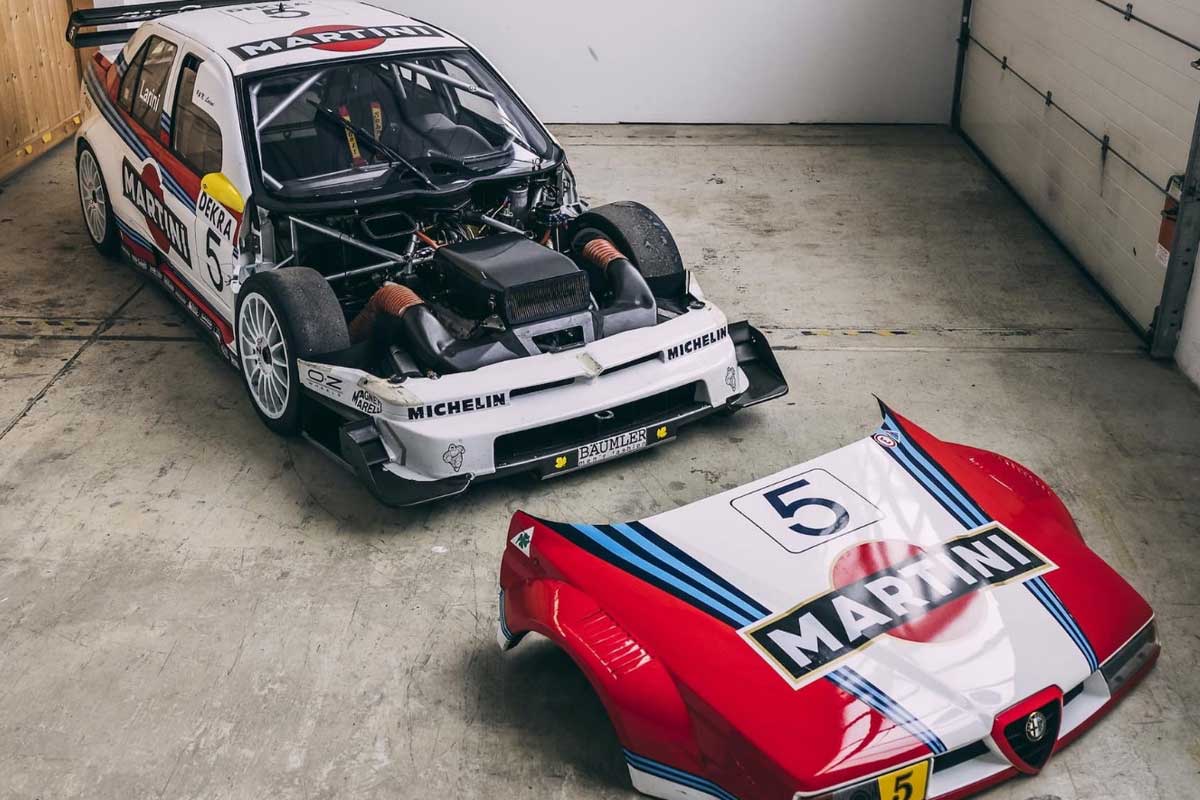
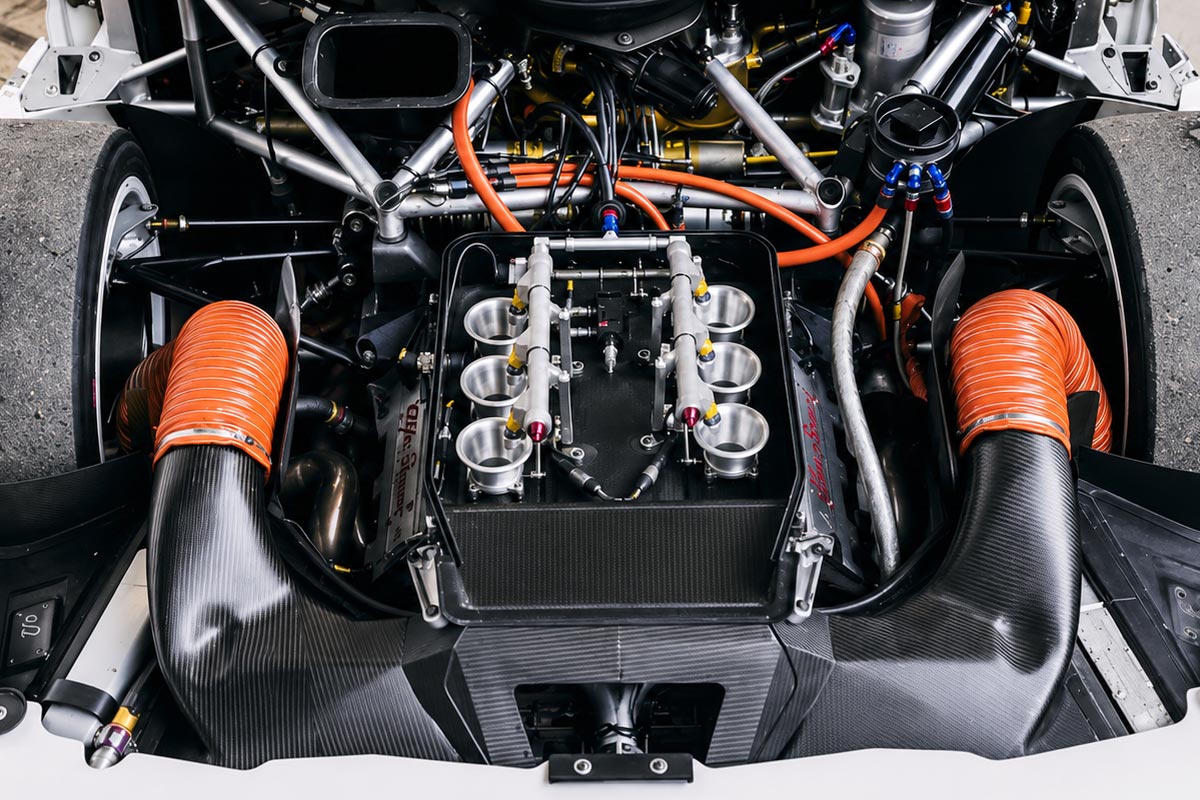
Interestingly, Alfa Romeo used the PRV V6’s design as a base for its racing engine in the 1996 155 V6 TI, linking this French factory to an iconic Alfa Romeo race car.
Transition to Electric Battery Production Nearby
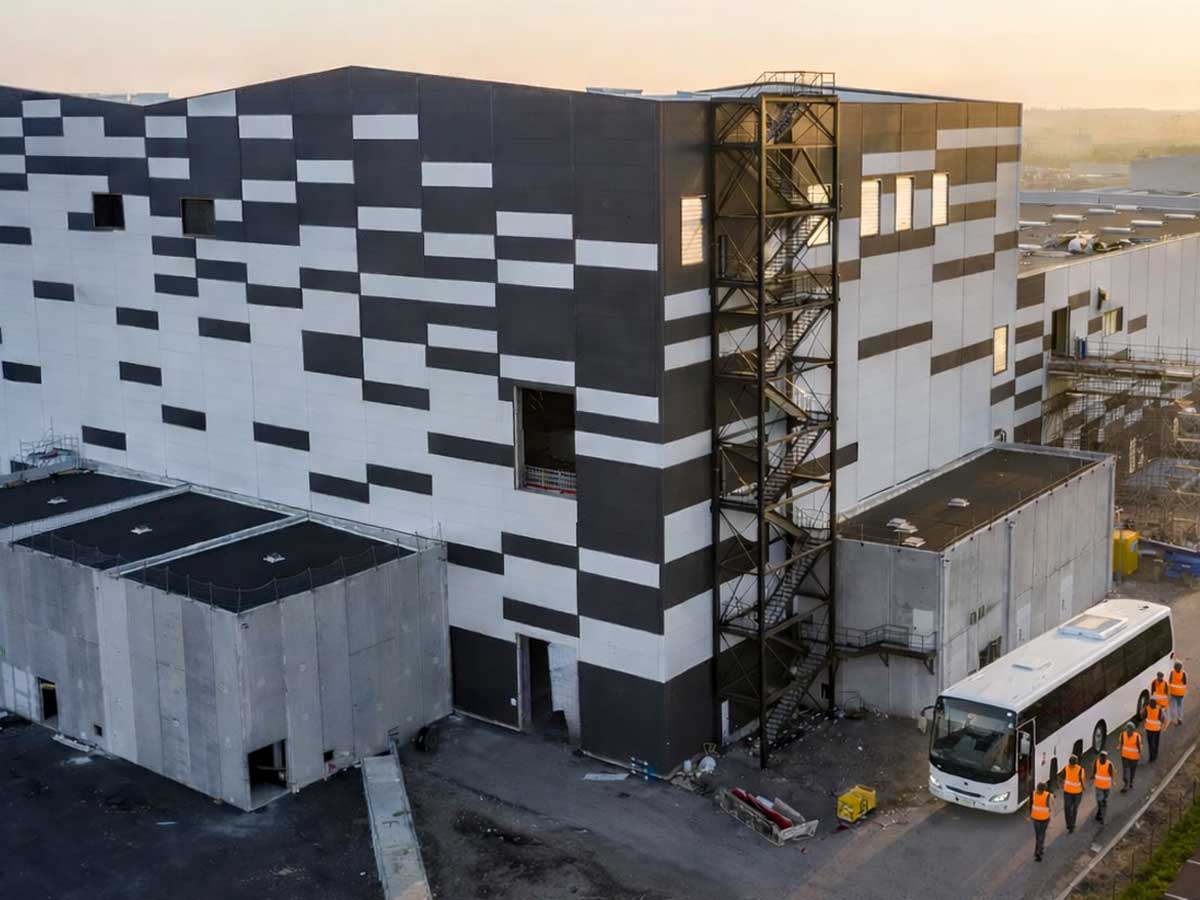
While Douvrin’s engine production ends, automotive manufacturing in the area moves toward battery production. The ACC Gigafactory, supported by Stellantis, Mercedes-Benz, and Saft, recently reached five million lithium-ion cells produced, enough for almost 40,000 electric vehicles.
The battery plant plans to expand with a new line adding 12.9 GWh of capacity by 2027, marking a clear shift from internal combustion engines to electric vehicle components in this region.
Source: italpassion.fr