
The new Fiat Argo X is gearing up for launch in Brazil, sharing its underpinnings with the European Grande Panda but featuring a notably different interior. Slated to hit production soon, the model will join the existing Argo in Fiat’s Brazilian lineup by the end of 2026.
Interior Combines Components from Several Models
While the Argo X borrows its fundamental design from the Grande Panda, its cabin has been adapted with parts from other Stellantis vehicles. The center console found on automatic versions is taken from the Fiat Pulse, while the dashboard draws on the Grizzly’s layout, pairing the instrument cluster and infotainment screen. Additionally, air vents and climate controls come from Citroën models, replacing elements of the Panda’s original dashboard design.
Despite these changes, the cabin still carries a connection to the Grande Panda through the seats, steering wheel, and door panels. Some trims may also get vinyl dashboard inserts, different from the European Panda’s style, which uses a frame around its screens as a design signature.
Powertrain Options and Versions
The Argo X line will likely include six versions with two main engine options. The naturally aspirated 1.0 Firefly engine offers 74 hp on ethanol and 70 hp on gasoline, paired with a five-speed manual transmission. This version will come in Drive, Audace, and Audace Plus trims.
More powerful is a 12-volt mild-hybrid 1.0 turbo flex engine that produces around 114 hp. This engine will be mated to a seven-speed CVT and appear in Drive, Audace, and Impetus trims. This modernized powertrain brings mild electrification, a step up from the current Argo’s options.
Subtle Exterior and Safety Updates
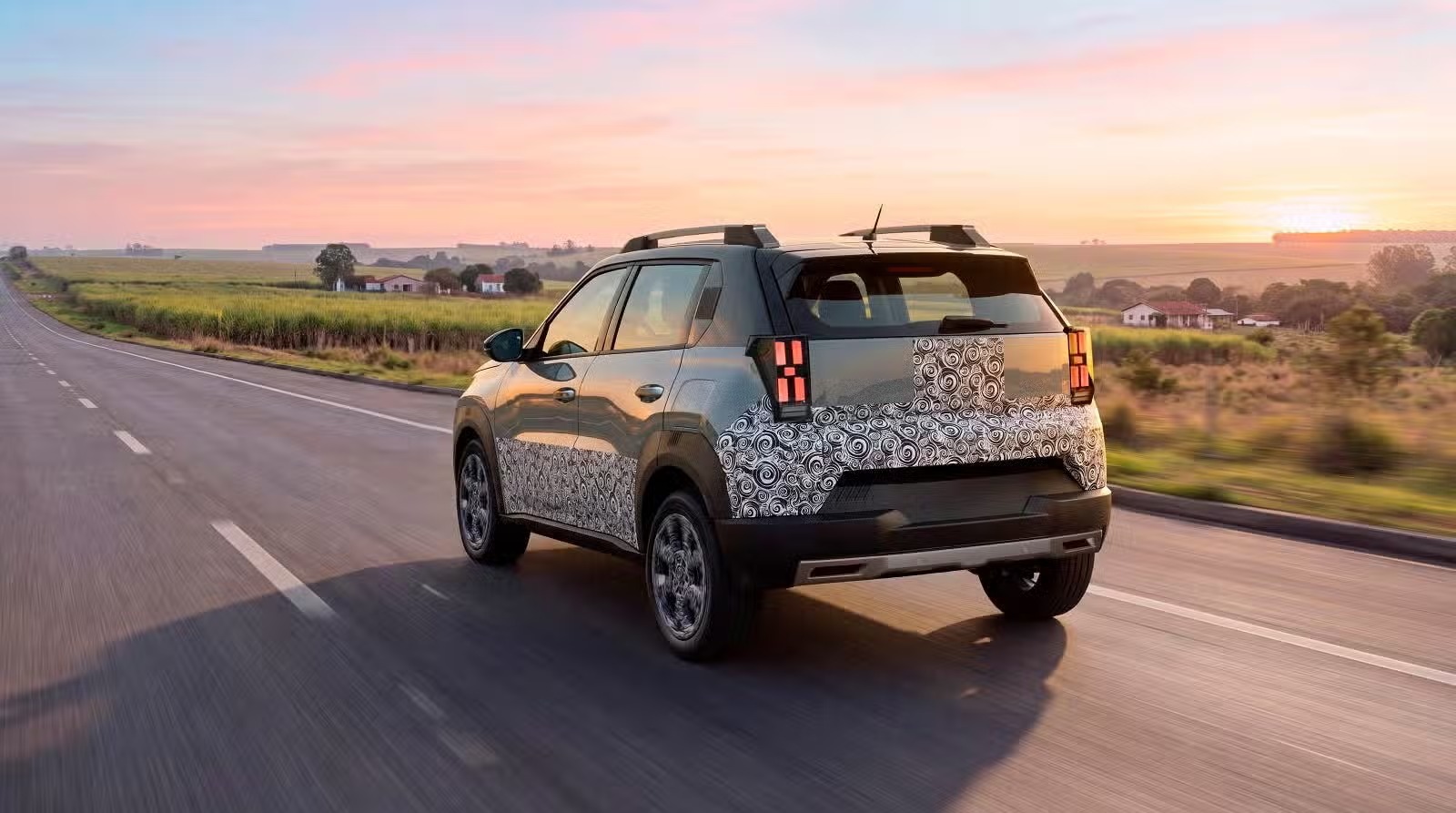
The Argo X will largely keep the European compact’s body shape, but some visual details will set it apart. The Fiat logo moves to the grille center, and the Panda branding on the sides will disappear. The tailgate will also receive new arrangements for badges and lettering.
Safety features are expected to be strong, with the possibility of up to six airbags. Electronic aids may include autonomous emergency braking with detection for vehicles, cyclists, and pedestrians, lane-keeping assistance, and driver fatigue monitoring. Higher trims could add traffic sign recognition and automatic high-beam control, though exact feature allocation and pricing will be confirmed at launch.
Production reportedly started recently at Fiat’s Betim plant, with dealer training scheduled for November. The official launch will come before the end of the year, expanding Fiat’s compact lineup in Brazil with this distinctive, locally adapted model.
Source: clubalfa.it