
Porsche has confirmed that Audi’s next electric sports car will use the electric platform developed for the new generation of the 718 Boxster and Cayman. This news came during Porsche’s recent earnings call, where the company revealed plans for collaboration with Audi on this project.
Shared Electric Platform for Both Brands
Porsche’s CFO Jochen Breckner said the electric platform designed for the 718 will also underpin Audi’s upcoming two-seater, codenamed internally as the C-Sport project. Audi will pay Porsche for using the platform, with payments expected to start in 2027. This confirms earlier reports that both sports cars would share a common Volkswagen Group architecture to reduce development costs.
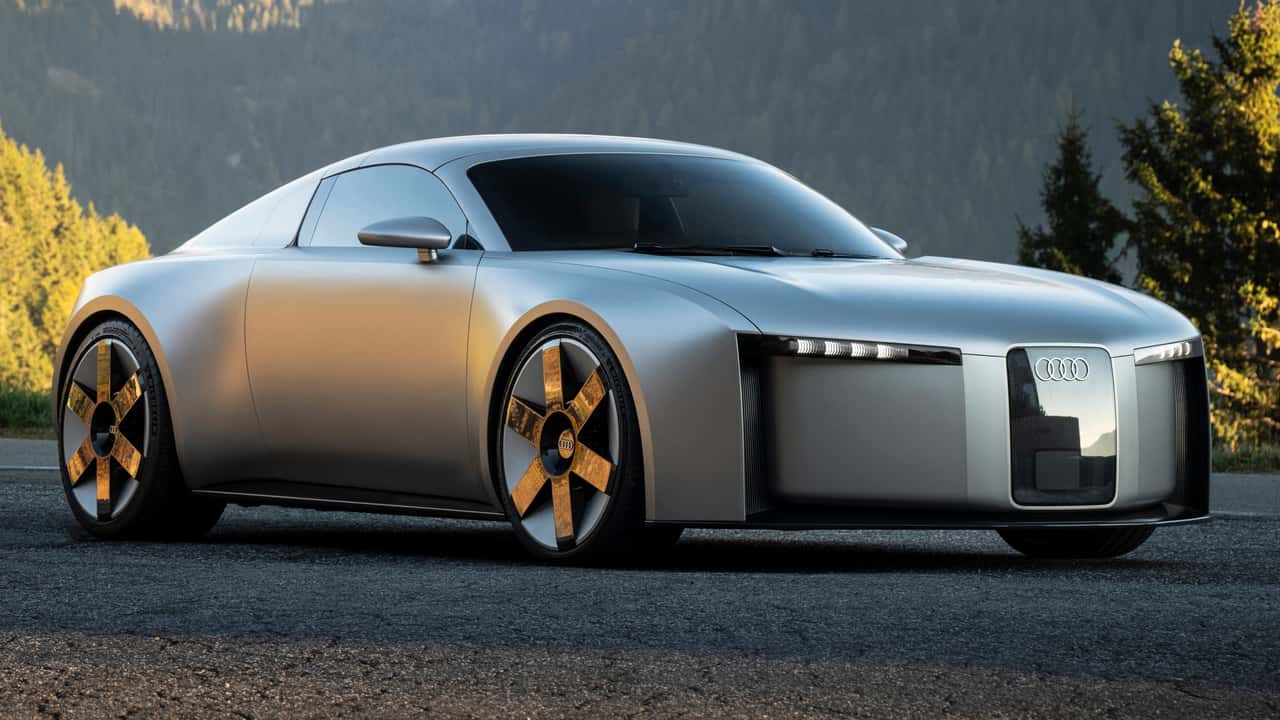
The next-generation Porsche 718 models will be fully electric and will come as a convertible (Boxster) and fixed coupe (Cayman). Audi’s version, however, will feature an electric targa roof – a first for the brand – which uses two roof panels that stow under the rear deck.


Design and Performance Expectations
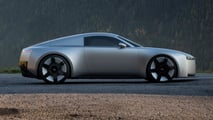
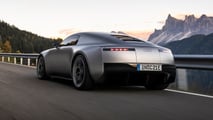
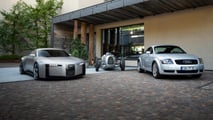
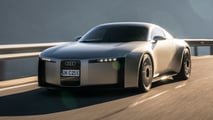
While the two cars will share the platform, Audi’s model will have its own styling, interior design, powertrain setup, and suspension tuning to create a unique driving experience. The concept version of Audi’s sports car has a rear-wheel-drive layout with a single electric motor, but the platform is flexible enough to support all-wheel drive setups.
The Audi concept weighs about 1,690 kilograms and is slightly larger than the R8, which places it above the size of the original TT. Porsche’s battery placement, where the gasoline engine used to sit in the old 718 models, is expected to help with better weight distribution and a lower seating position.
Significance for Audi’s Future
Audi’s electric sports car marks a fresh start, introducing a new design language that focuses on quality materials and simplified controls inside the cabin, moving away from large touchscreens and excessive plastic found in past models. This new direction aims to bring a more refined and driver-focused feel to the brand.
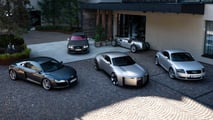
The model will slot between Audi’s discontinued TT and larger R8 but will be fully electric, without any combustion engine option. It is expected to launch in 2027, following the Porsche models expected around 2025.
This collaboration showcases Volkswagen Group’s strategy to share development costs across brands, especially for niche and costly electric sports cars. While details on power output and range remain unconfirmed, more information should appear as both brands approach their launch dates.

Source: motor1.com