
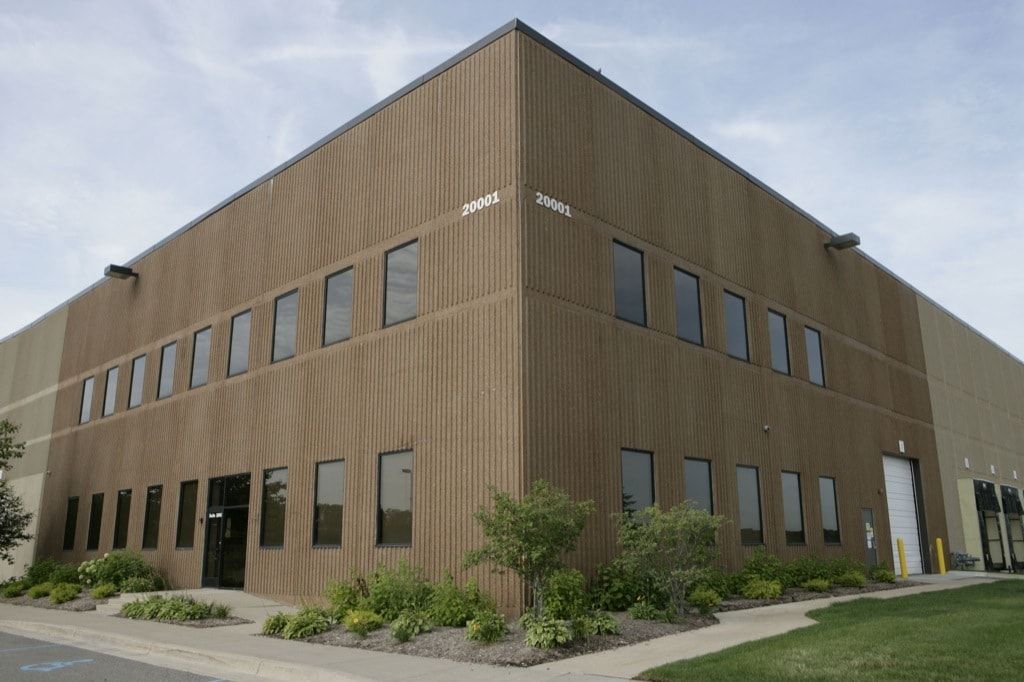
General Motors is set to close its Brownstown Battery Assembly plant near Detroit by next summer, marking the end of one of its earliest electrification sites. The 480,000-square-foot factory, which opened in 2009, has played a role in niche electric vehicle components but will cease operations as GM scales back parts of its initial aggressive electric vehicle (EV) plans.
From Cadillac Celestiq to Hybrid Corvette: Brownstown’s Role
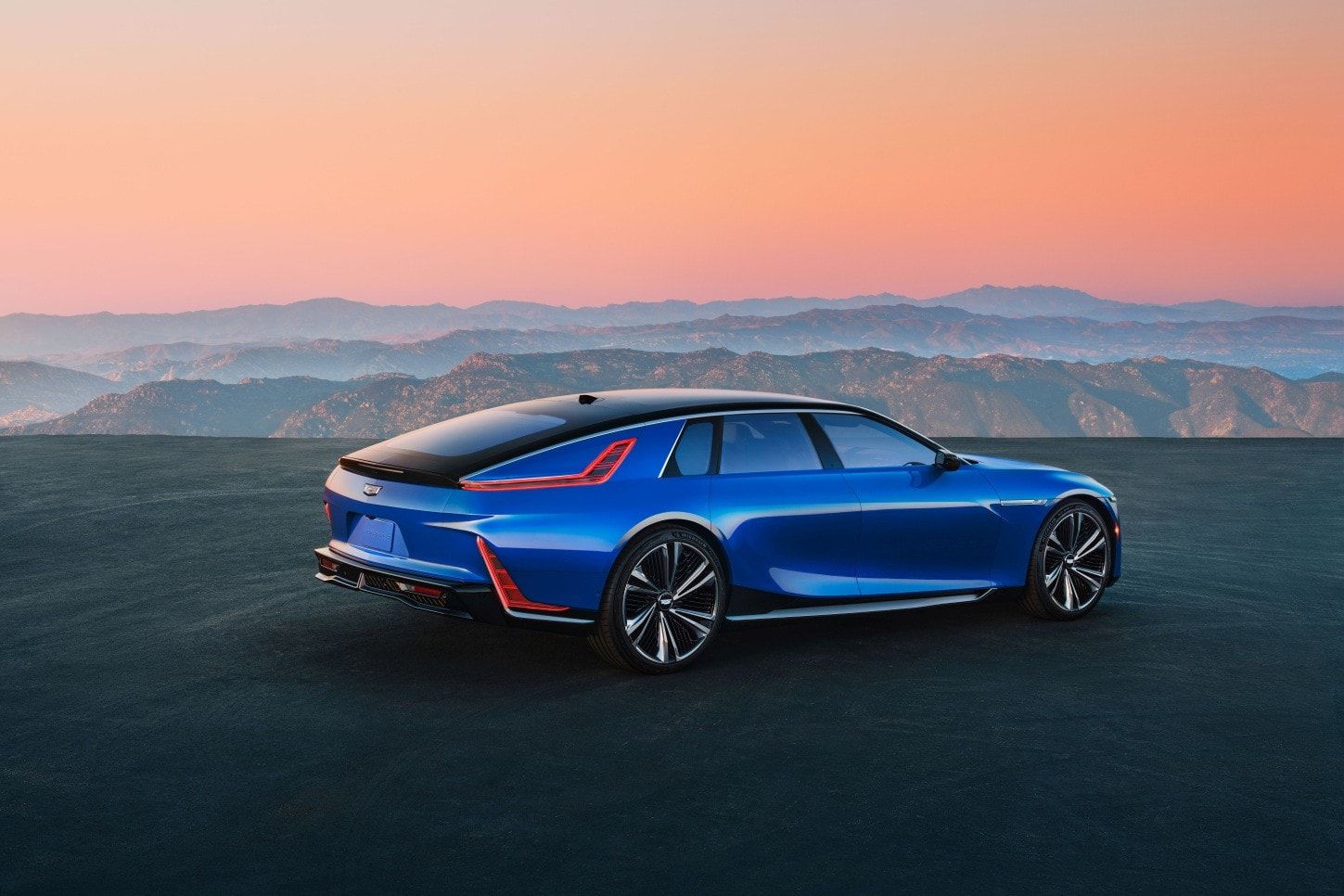
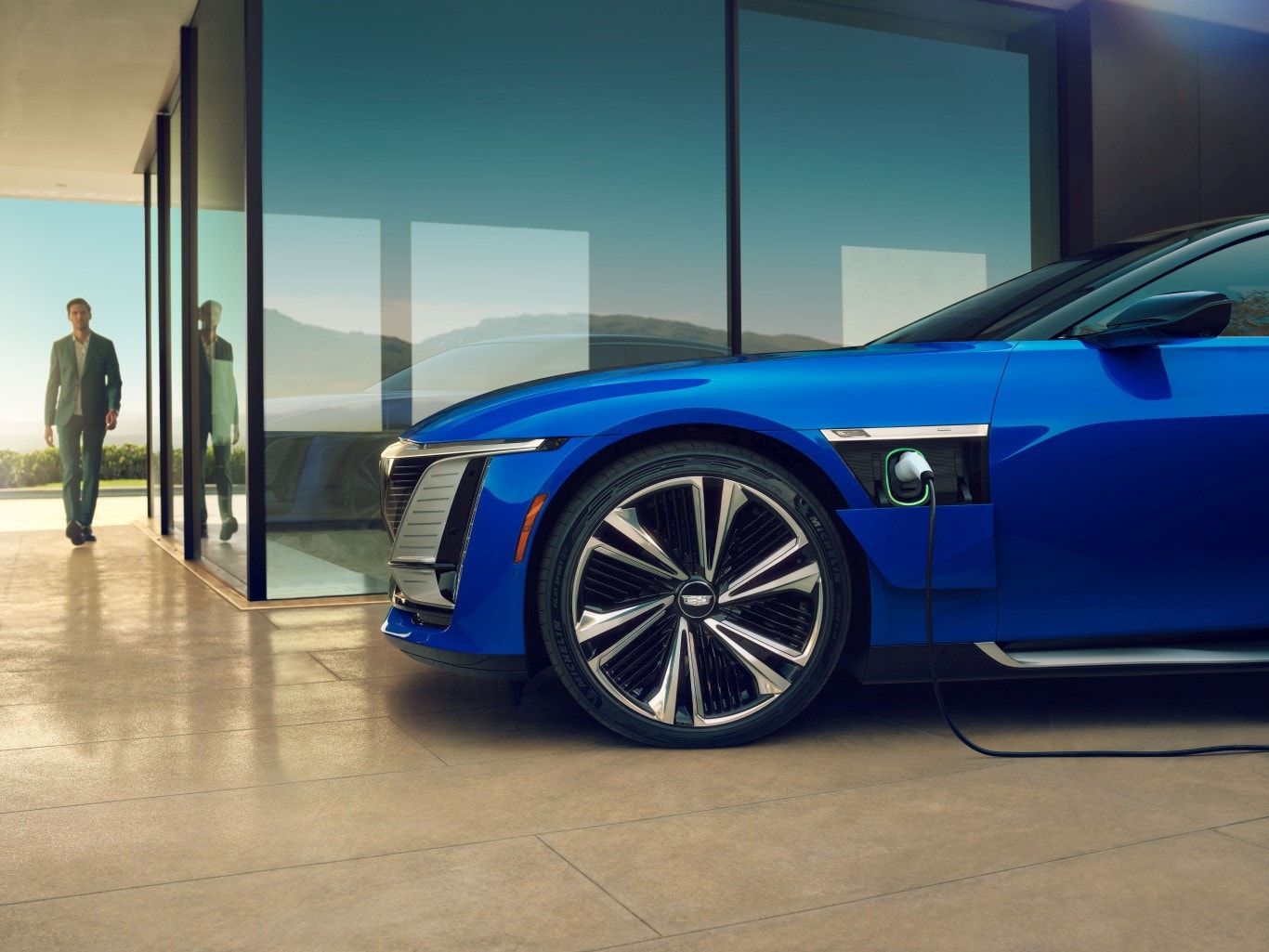
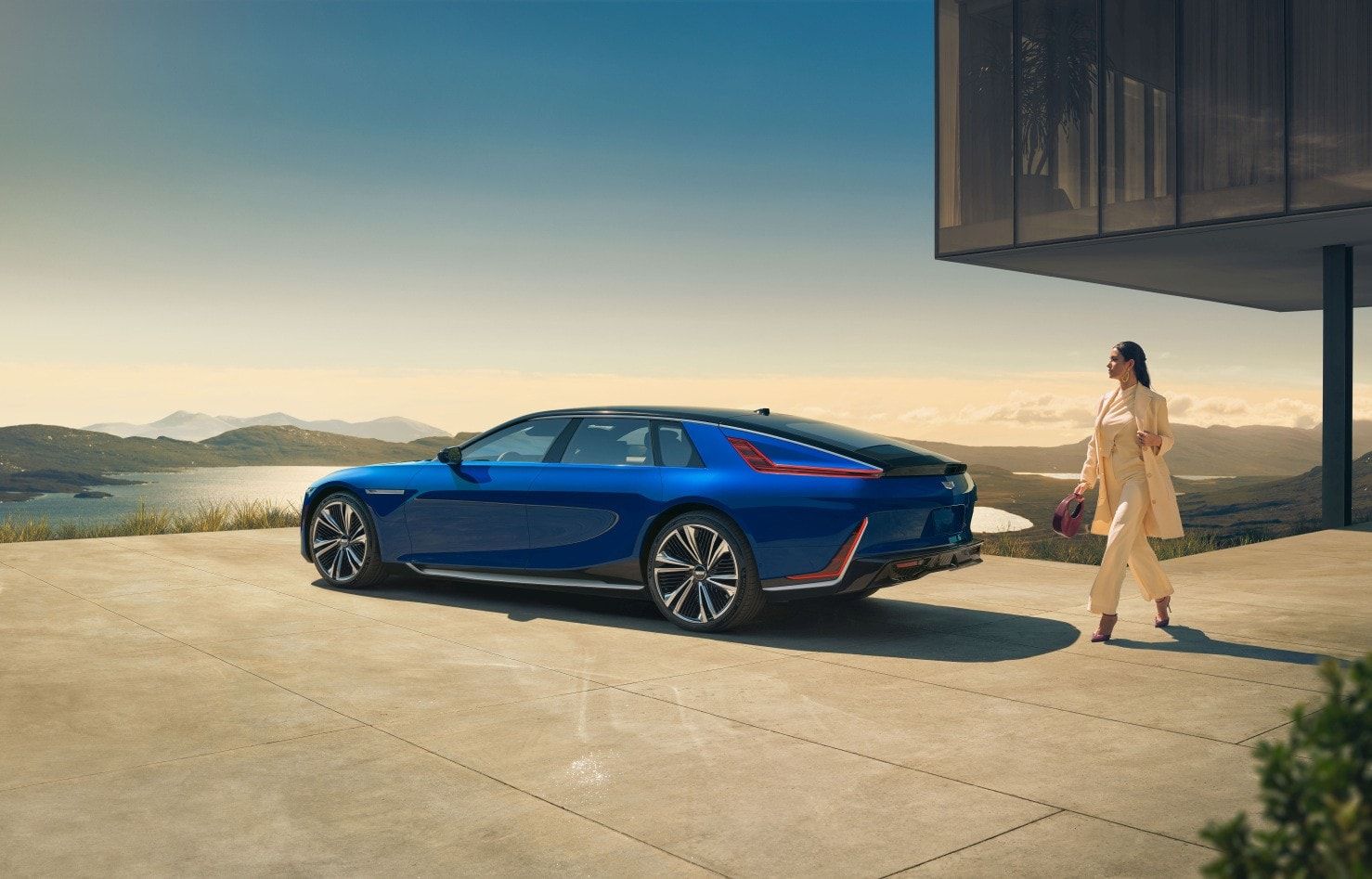
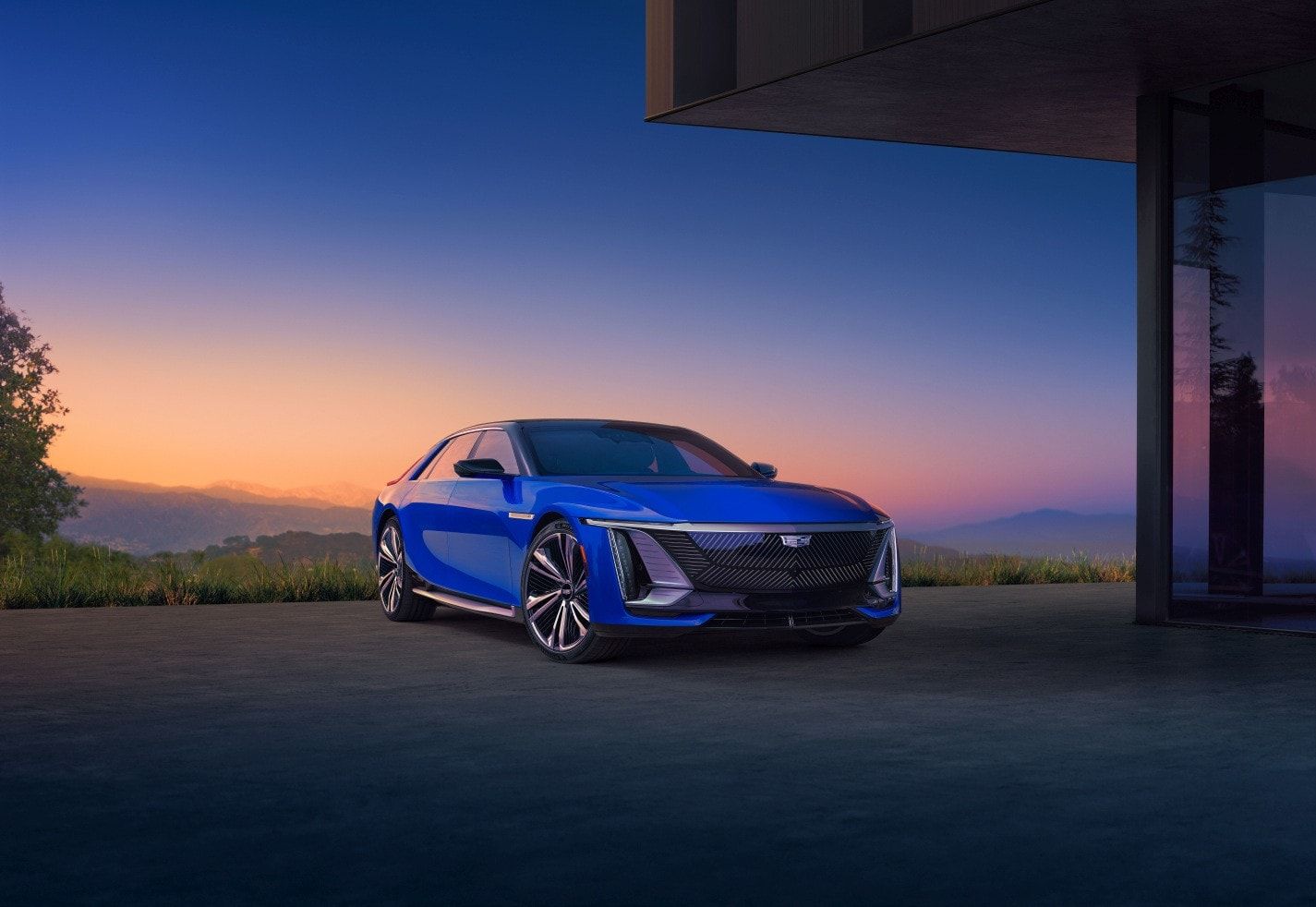
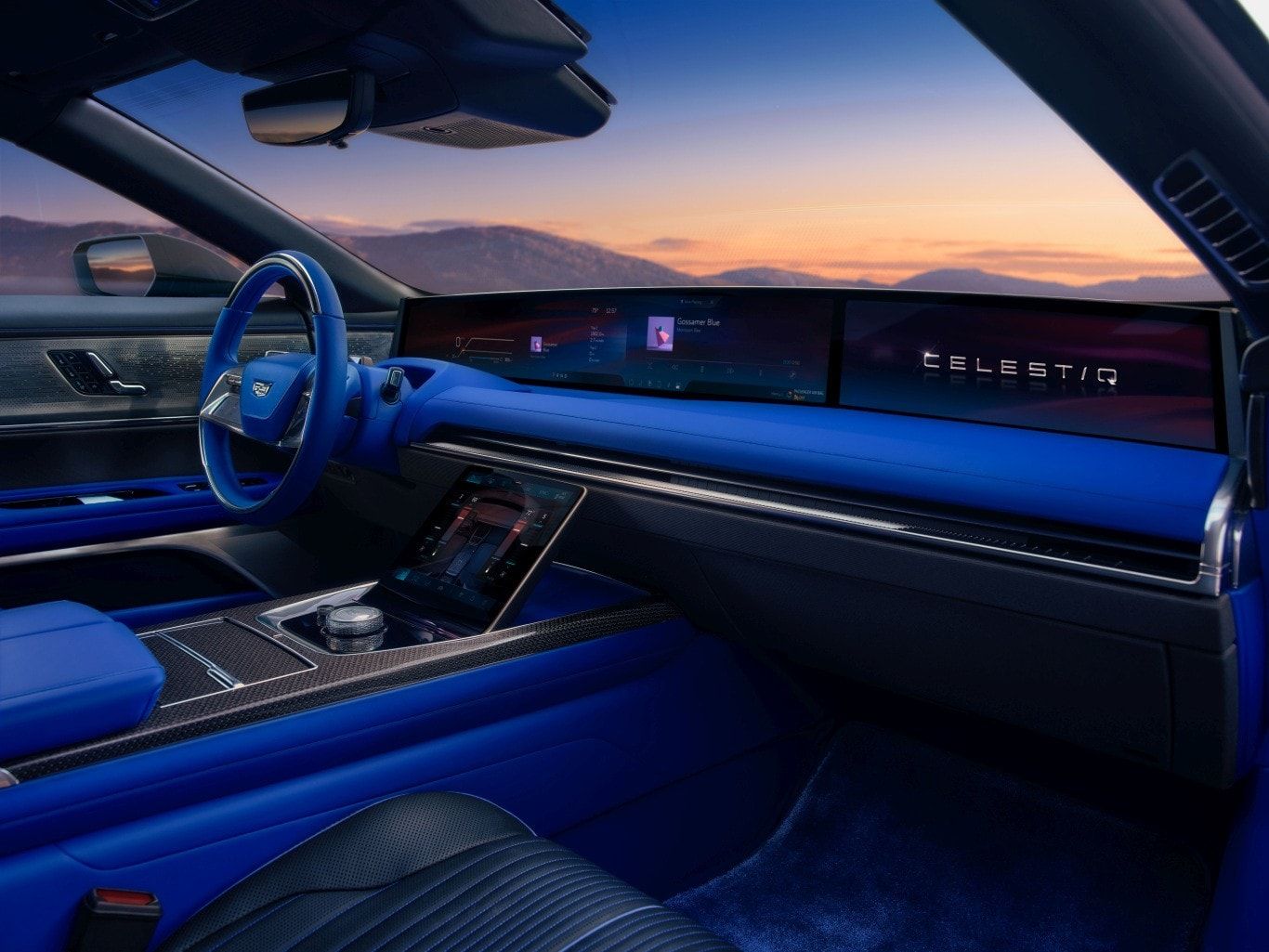
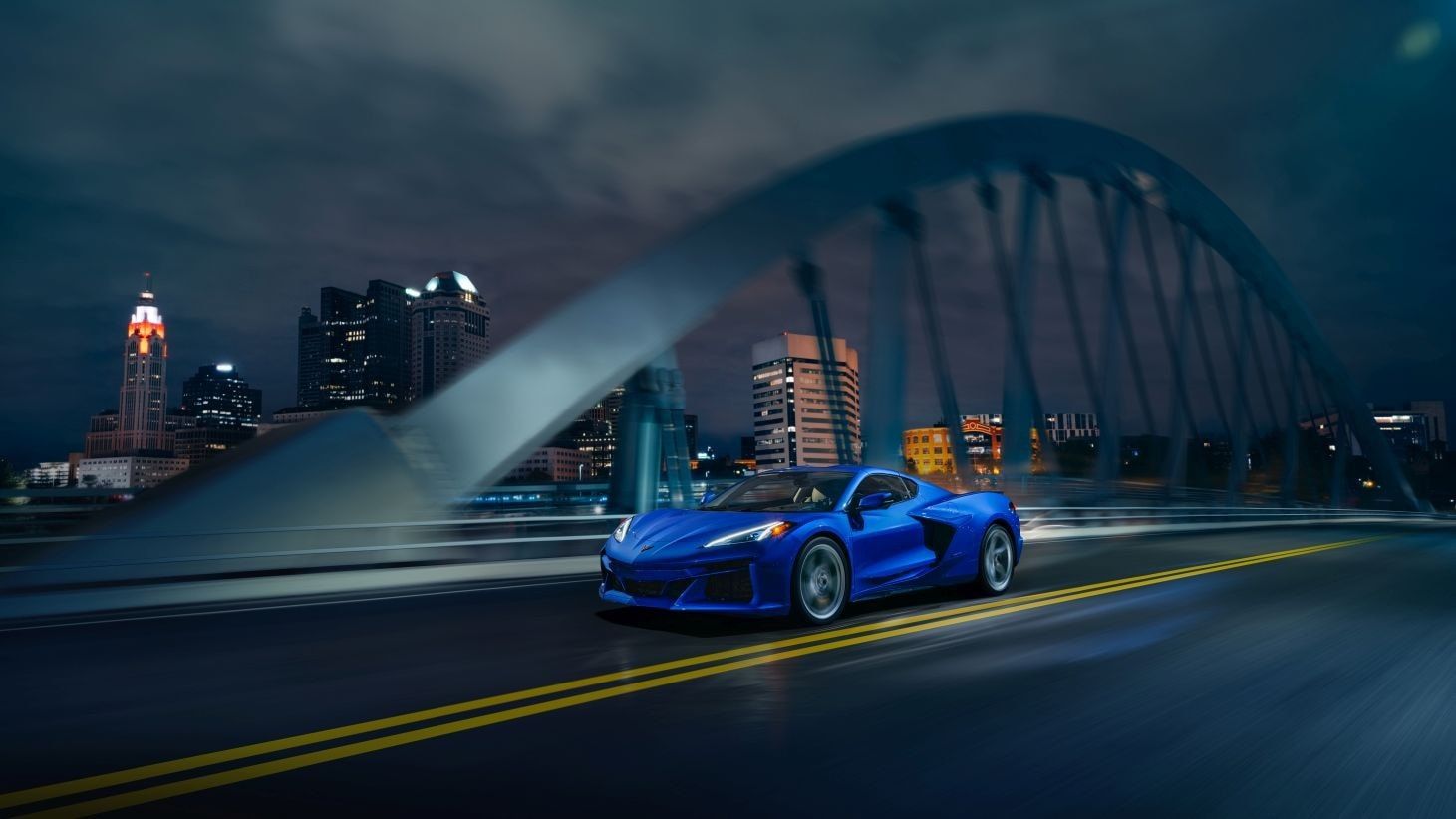
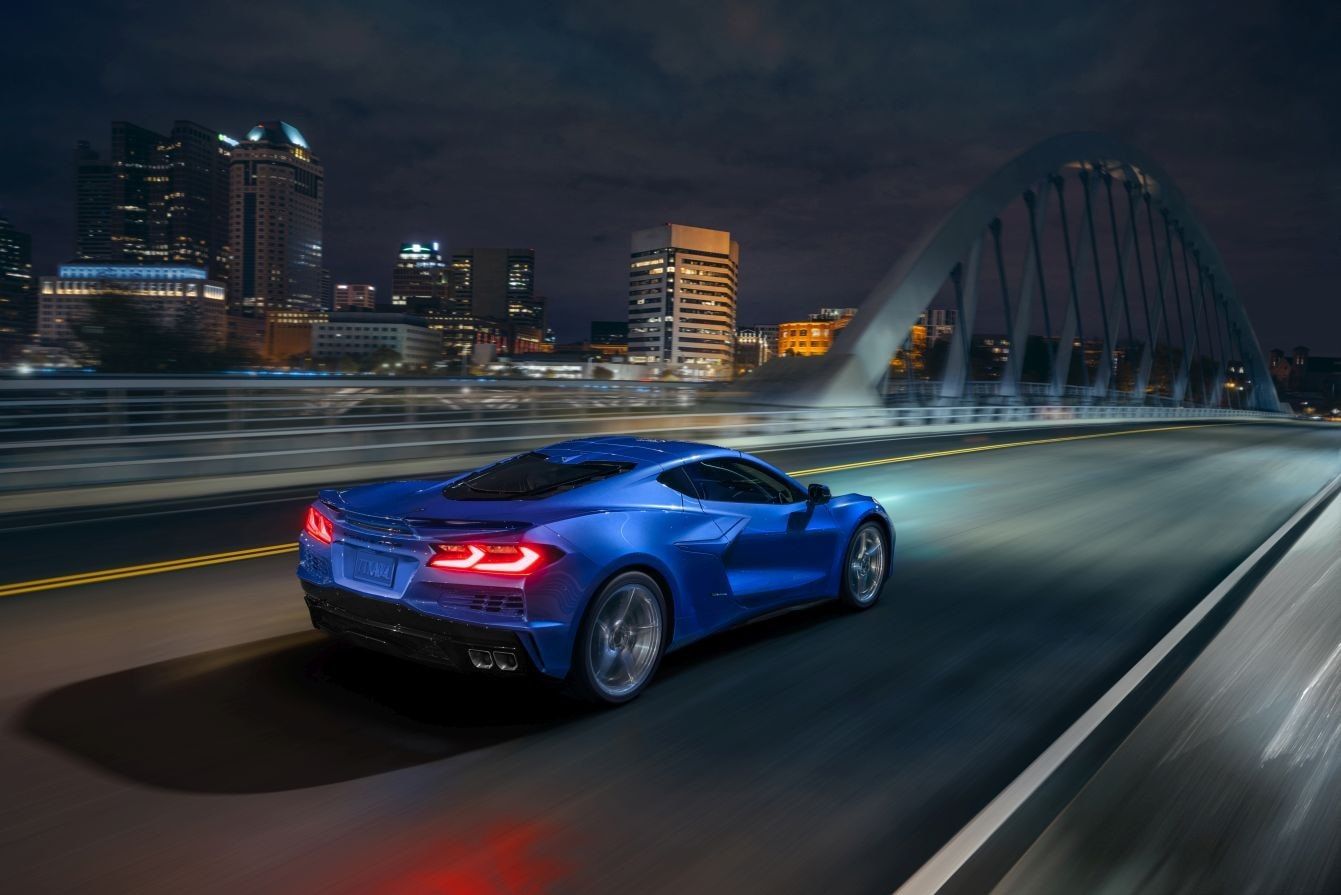
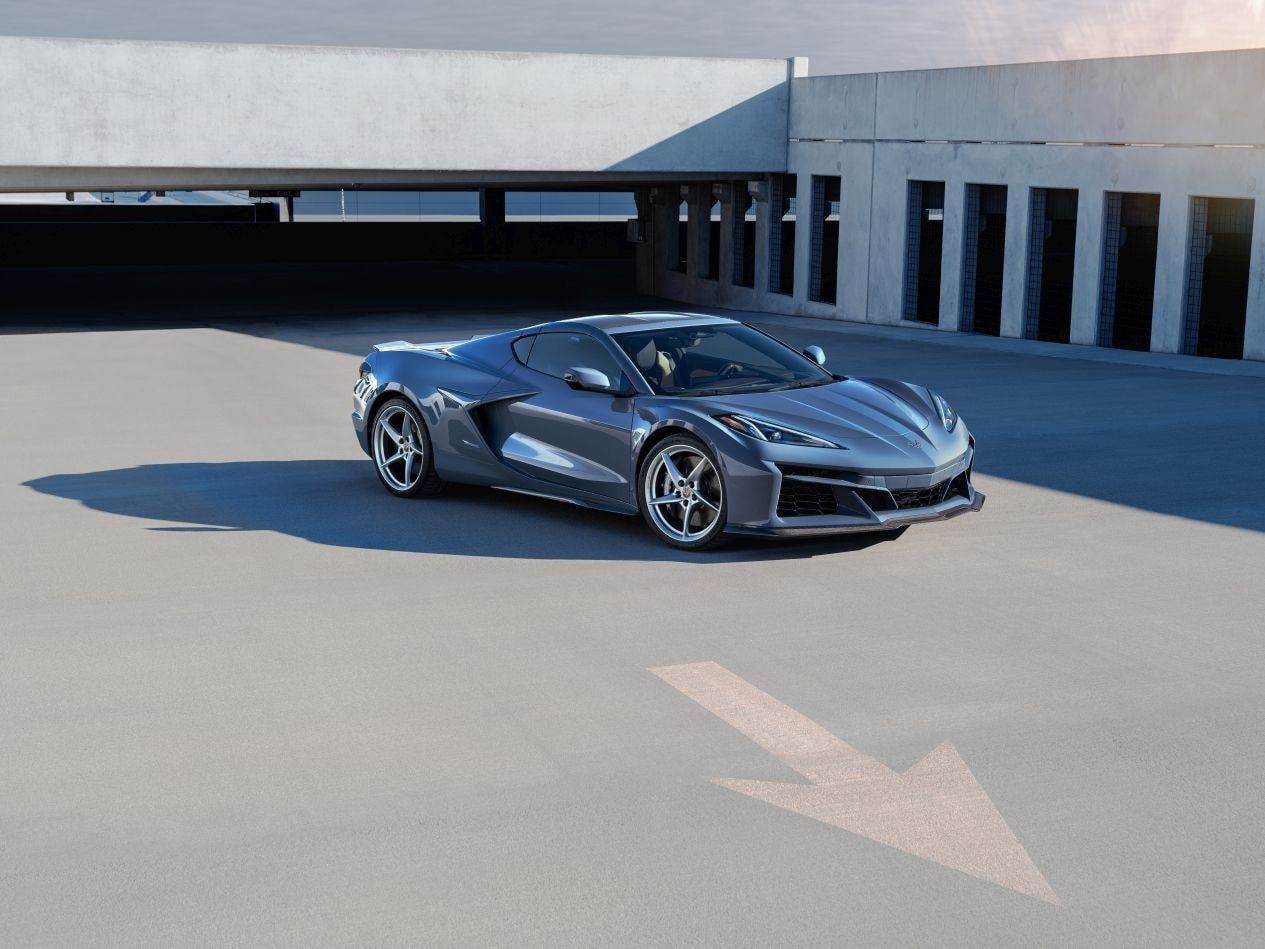
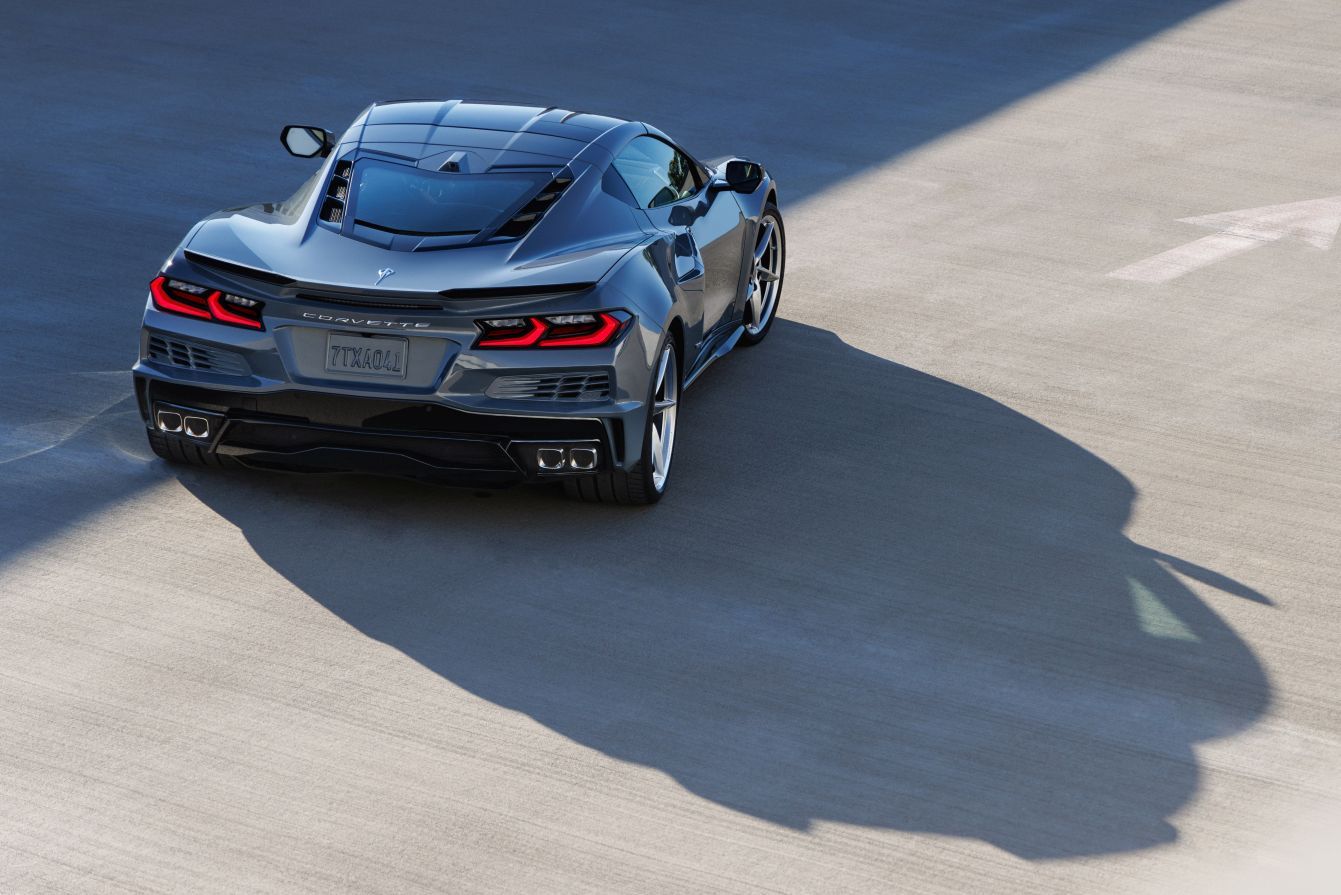
The Brownstown facility has been notable for assembling high-voltage battery packs for the Cadillac Celestiq, GM’s ultra-luxury flagship EV. However, the Celestiq remains a rare vehicle, with fewer than 100 units expected to be delivered across its 2025 and 2026 model years. The plant also produced electric motors and battery packs for the hybrid Corvette E-Ray before that model was replaced by the new Corvette Grand Sport X at a different factory.
Brownstown previously housed a joint venture with Honda focused on hydrogen fuel cell technology. This partnership, known as Fuel Cell System Manufacturing LLC (FCSM), occupied roughly 80,000 square feet of the plant but was recently dissolved, ending nearly ten years of collaboration.
Why GM Is Ending Brownstown Operations
The decision to shut down the Brownstown plant is linked to several factors: changes in vehicle production cycles, the ending of partnerships like the one with Honda, and a weaker-than-expected market for EVs. GM’s shift back towards gas-powered trucks and profitable models reflects adjustments to federal regulations and customer demand.
Staffing at the plant had already been scaled down from about 300 employees to fewer than a dozen. Remaining workers have been offered transfers to nearby GM facilities under agreements with the United Auto Workers union. The company has officially notified employees of the planned closure in advance.
Production Will Move, But Costs Add Up
Work previously done at Brownstown, including assembly and component production, will be moved to other GM plants across the U.S. GM faces $11.2 billion in expenses related to scaling down its EV plans and settling supplier issues.
This closure follows GM’s recent announcement to stop work at its $2.5 billion battery plant in Lansing, run by LG Energy Solution. Meanwhile, GM maintains control over the Brownstown facility’s building lease, originally tied to a canceled partnership, but no future use has been decided yet.
Source: autoevolution.com