
Stellantis is planning to introduce a new mild-hybrid diesel engine, but it won’t be for passenger cars. The 2.2-litre Multijet engine with a 48-volt hybrid system will be produced exclusively for commercial vehicles starting in 2029.
Hybrid Diesel Engine Focused on Commercial Use
While earlier rumors hinted that Stellantis might equip its passenger cars with a hybrid diesel, the latest information shows a different picture. The new powertrain will be used only in commercial vehicles, such as the Fiat Ducato and similar models made by the company.
The 2.2 Multijet engine will have a 48-volt mild hybrid system designed to reduce fuel consumption and emissions. This setup aims to keep diesel’s long-distance advantages intact, especially useful for professional drivers carrying heavy loads or covering long routes with limited charging options.
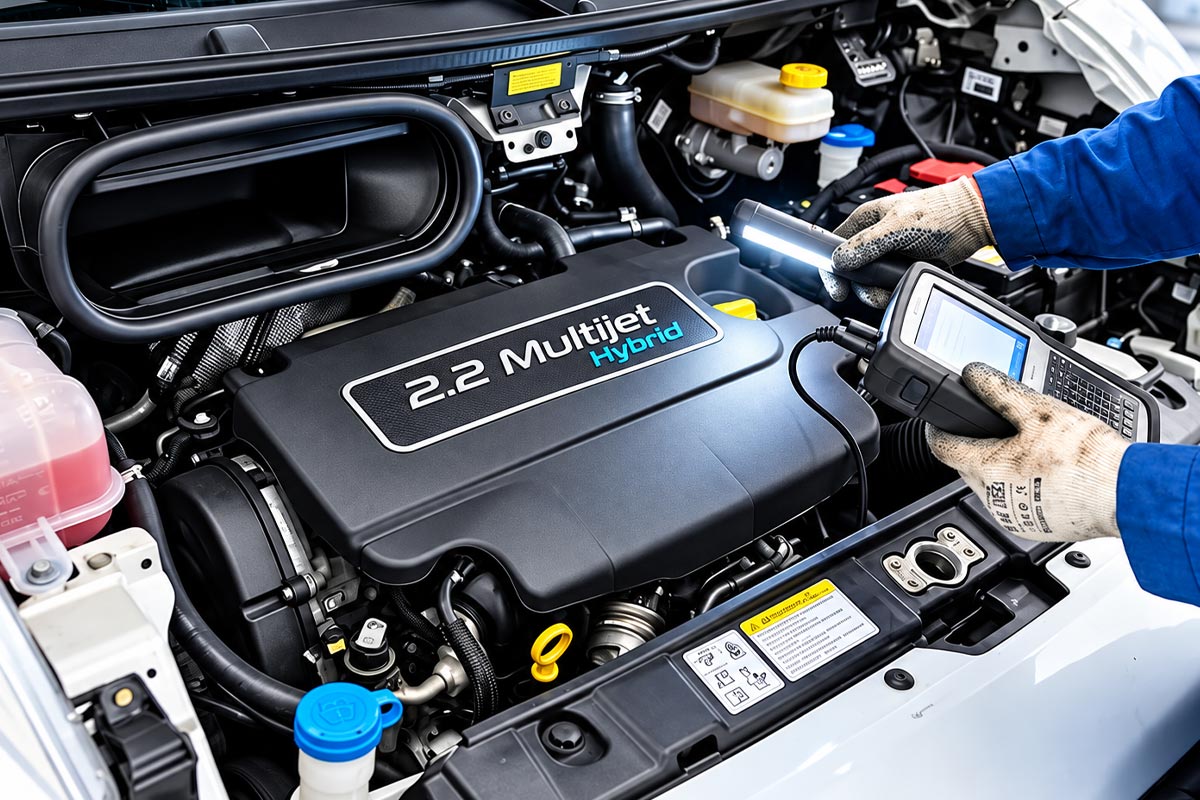
Production Set for Italian Plant Pratola Serra
Production of the new engine will take place at Stella ntis’s Pratola Serra plant in Italy, which already builds the diesel version of the 2.2 Multijet. The plant, which has the capacity to produce about 600,000 engines a year, is expected to gain stability with this project after years of uncertain activity and occasional furloughs.
The engine will supply Stellantis’s commercial vehicle lines produced in Atessa, Italy, and Gliwice, Poland. The unions have welcomed the plan but note that further details about production size, investments, and impact on jobs are still unclear.
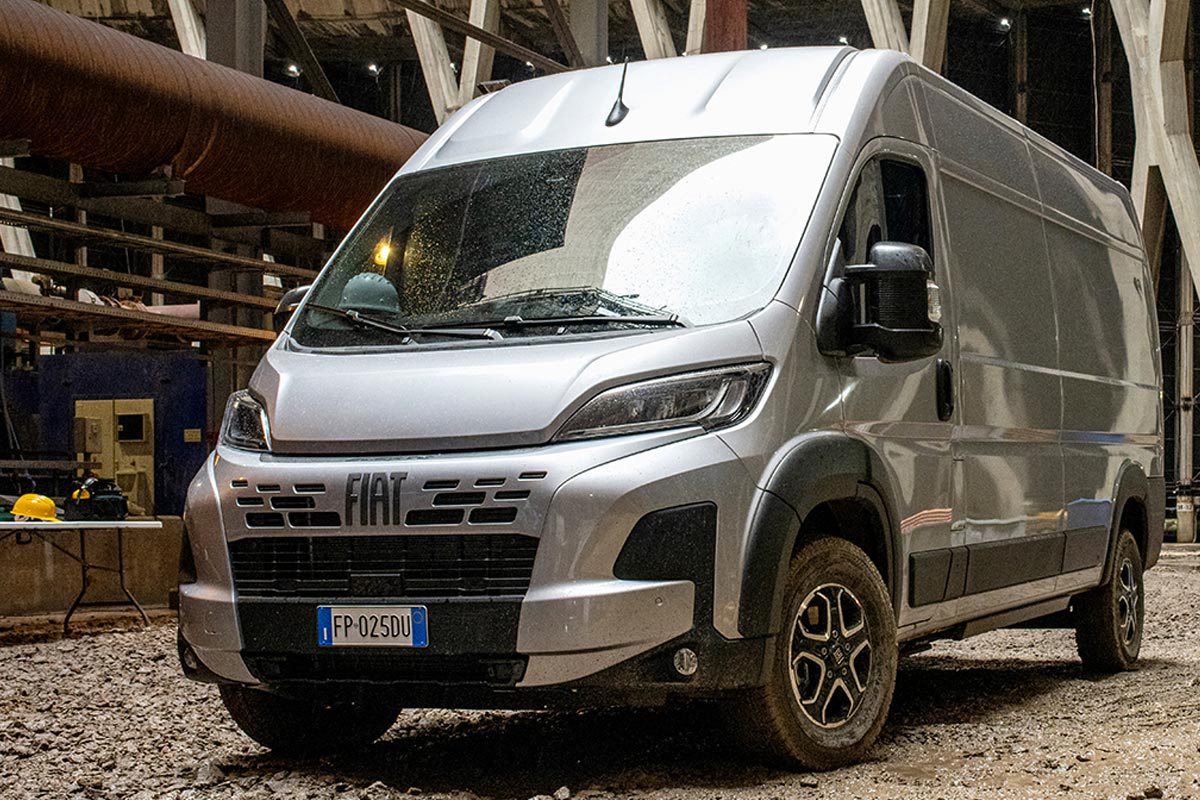
Diesel Still Important for Commercial Customers
Despite the strong push towards electric vehicles in Europe, Stellantis is continuing to support diesel technology, recognizing its role in commercial transport. The mild hybrid system offers a way to meet stricter emission standards while maintaining the range and load capabilities needed by many business users.
This move also helps Stellantis avoid potential fines related to emissions by improving fuel efficiency without fully abandoning diesel engines.
What’s Next for Stellantis Diesel Hybrid?
Stellantis plans to start production in 2029, with the engine expected to remain in use at least through 2040. There is no sign this hybrid diesel will come to passenger cars anytime soon, focusing instead on meeting the specific needs of commercial fleets.
More updates about this engine’s rollout and details on its commercial vehicle applications are expected as production approaches.
Source: italpassion.fr