
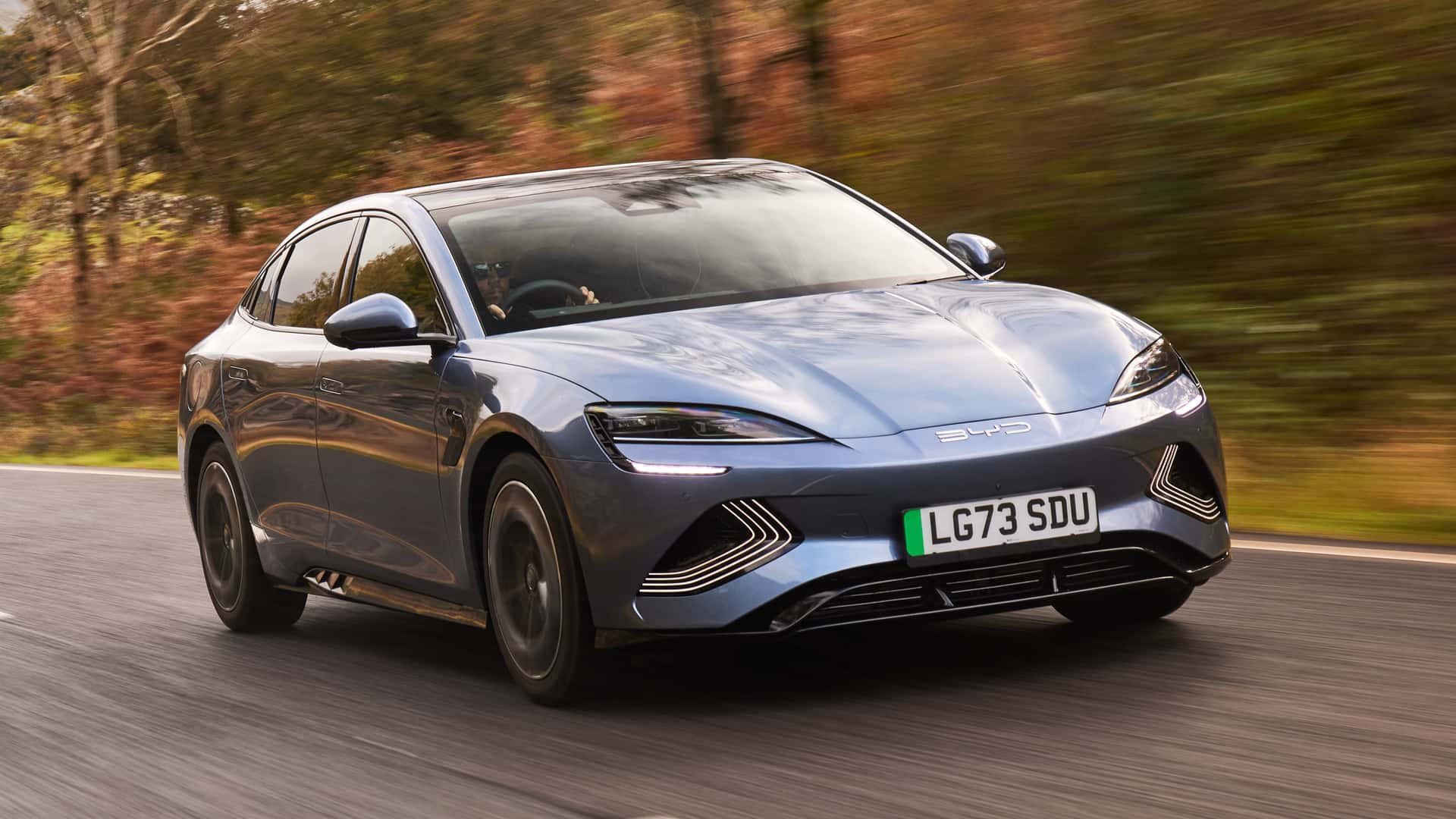
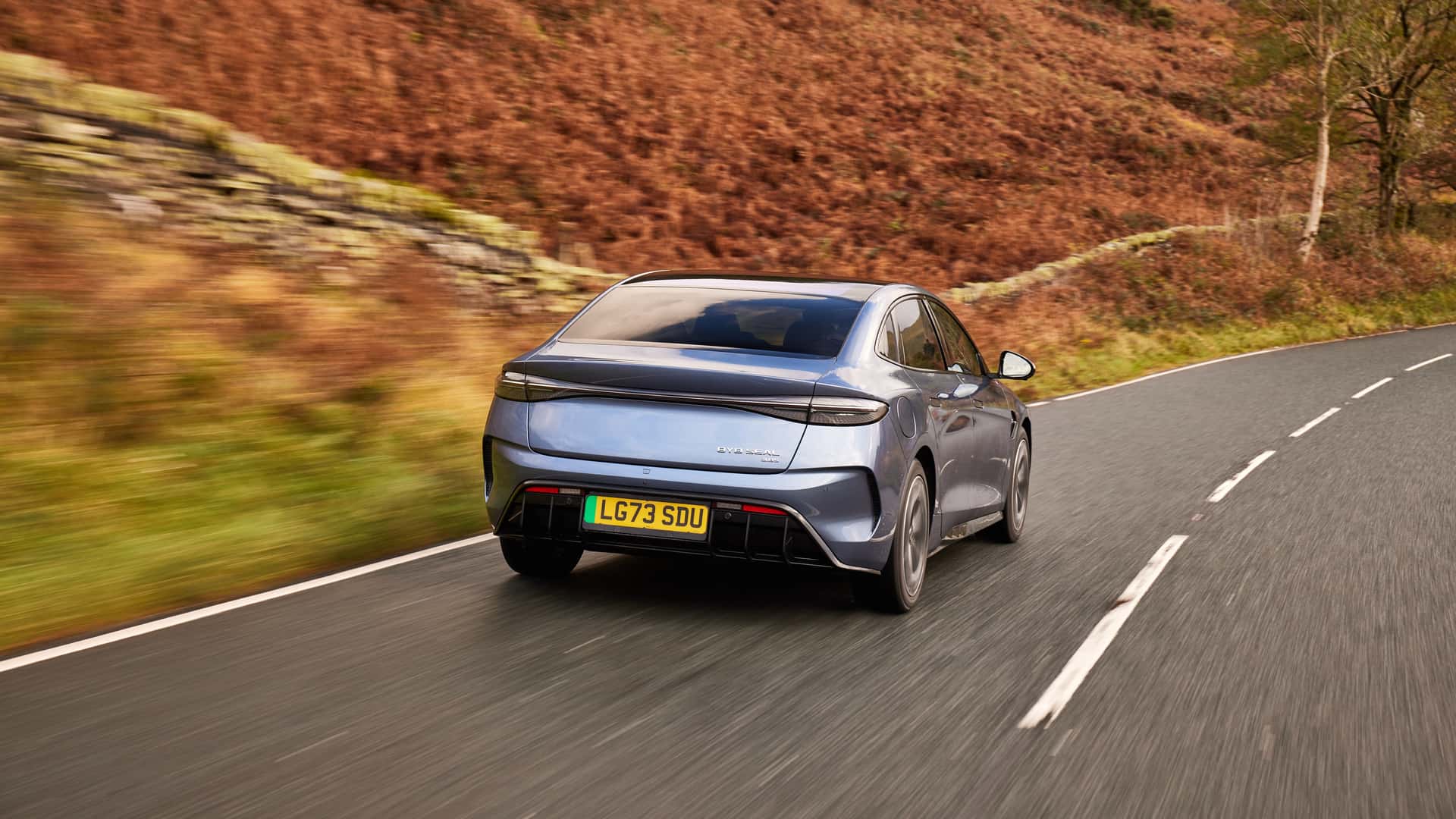
Chinese automaker BYD is closing in on Ford’s position in Europe, showing significant growth in registrations through August 2024. New data from the European Automobile Manufacturers’ Association (ACEA) reveals that BYD’s sales jumped 144.1% year over year, reaching 234,099 units, just under 11,000 behind Ford’s 244,938 units.
BYD’s Rise Amid Ford’s Shrinking Lineup
BYD’s rapid growth contrasts with Ford’s shrinking presence in Europe. Over the past few years, Ford has discontinued several key models such as the Ka, Fiesta, Focus, and Mondeo. With fewer mainstream options available, Ford’s registrations have fallen 14.4% this year. Existing models like the Puma and Kuga have been around since 2019 and are becoming outdated.
As a result, BYD has increased its market share in Europe from 1.1% in early 2023 to 2.5% through August 2024. This growth is largely driven by BYD expanding its electric model lineup at a time when Ford is pulling back.
Ford Plans a European Comeback with Renault Partnership
Ford is responding with a partnership with Renault to develop a fleet of new electric vehicles tailored for Europe. This collaboration could include a revived Fiesta based on the Renault 5 platform and a small crossover related to the Renault 4. While these cars will share Renault bases, Ford intends to apply its own design and technical adjustments, avoiding simple rebadges.
By the end of the decade, Ford expects to offer five new models in Europe, including a Euro-specific Bronco and two crossovers that could replace the Puma and Kuga. However, the future of the Volkswagen-based Explorer and Capri EVs remains less clear.
Other Chinese Brands Also Gaining Market Share
BYD isn’t the only Chinese automaker making strides in Europe. SAIC, owner of MG, has seen its registrations grow nearly 20% to 230,290 units, just behind BYD. Geely, which includes brands like Volvo, Polestar, and Lotus, reported 289,128 registrations, surpassing Ford in total volume, though this figure covers multiple brands.
Chery and its associated brands—Jaecoo, Jetour, and Omoda—experienced a dramatic 279.7% increase, reaching 207,871 registrations.
Together, Chinese automakers now hold about 10.4% of the European market, covering the EU member states plus Iceland, Norway, Liechtenstein, Switzerland, and the UK. This means roughly one in ten cars registered in this region has a Chinese connection.
What This Shift Means for Europe’s Auto Market
The rapid sales growth of BYD and other Chinese companies reflects a shift in strategies within Europe’s car market. While Ford has been reducing its model range, the Chinese manufacturers have aggressively expanded their offerings, especially in electric vehicles. This tougher competition could challenge established brands if current trends continue.
Future developments will depend on factors like pricing, new model launches, import tariffs, and how European buyers continue to accept Chinese brands. For now, BYD and its peers are no longer fringe players but significant competitors in Europe’s evolving automotive landscape.
Source: motor1.com