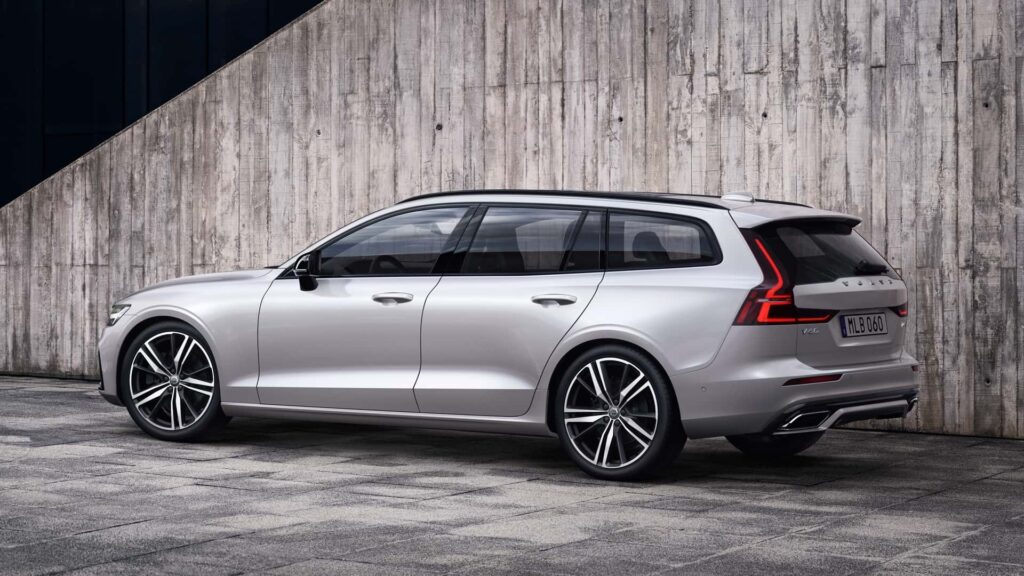

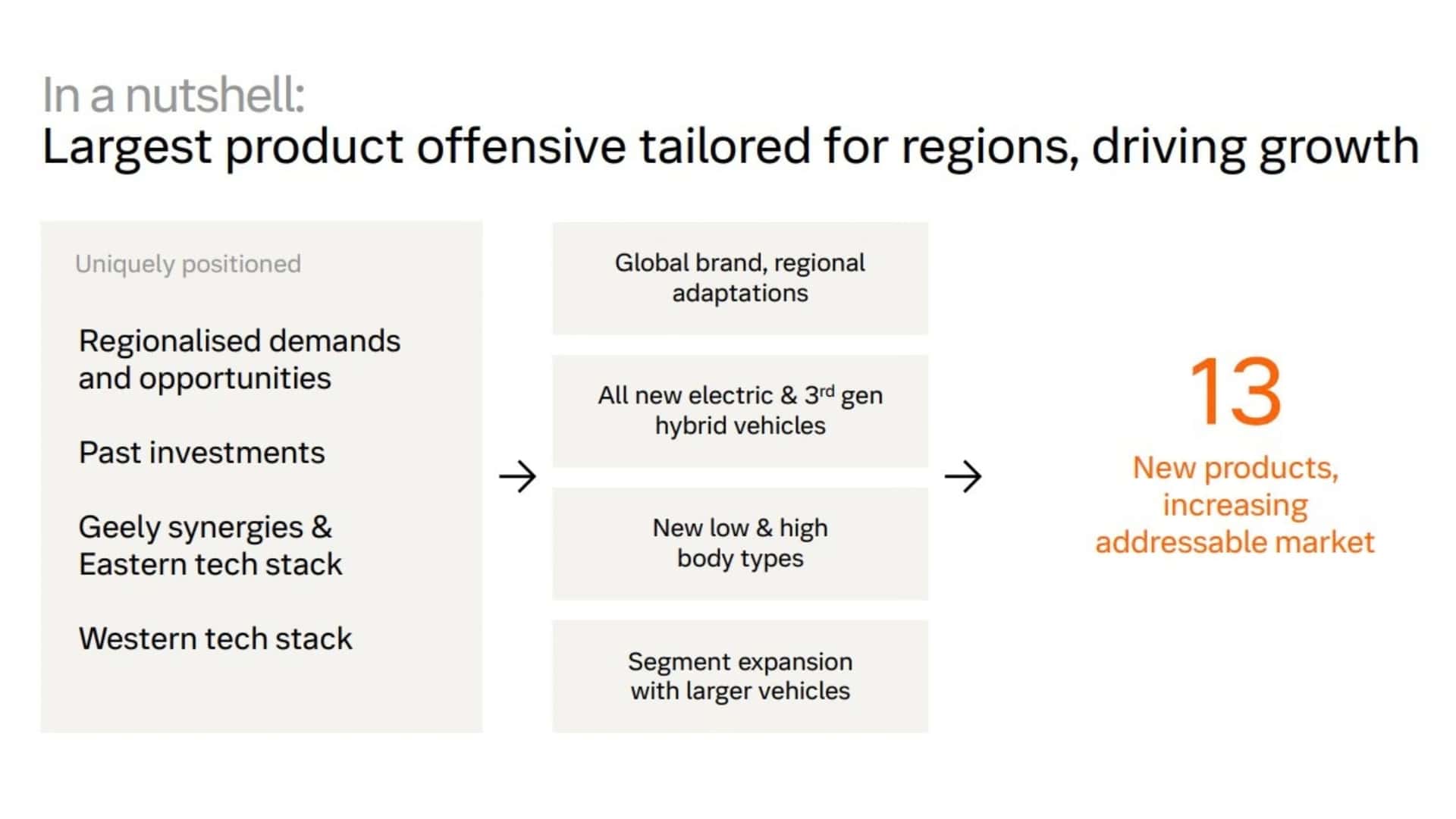
Volvo is gearing up to expand its US lineup beyond SUVs with a series of new vehicles, including sedans and wagons. The Swedish brand has revealed plans for 13 new models by 2030, and while most will be SUVs, a significant share will be “low body” types, which are expected to include traditional passenger cars.
New ‘Low’ Body Types Signal a Shift
In recent company presentations, Volvo highlighted plans for both “low” and “high” body types. The “low” category likely refers to sedans and station wagons. This marks a potential return to a segment Volvo has mostly stepped away from in the US over the past years.
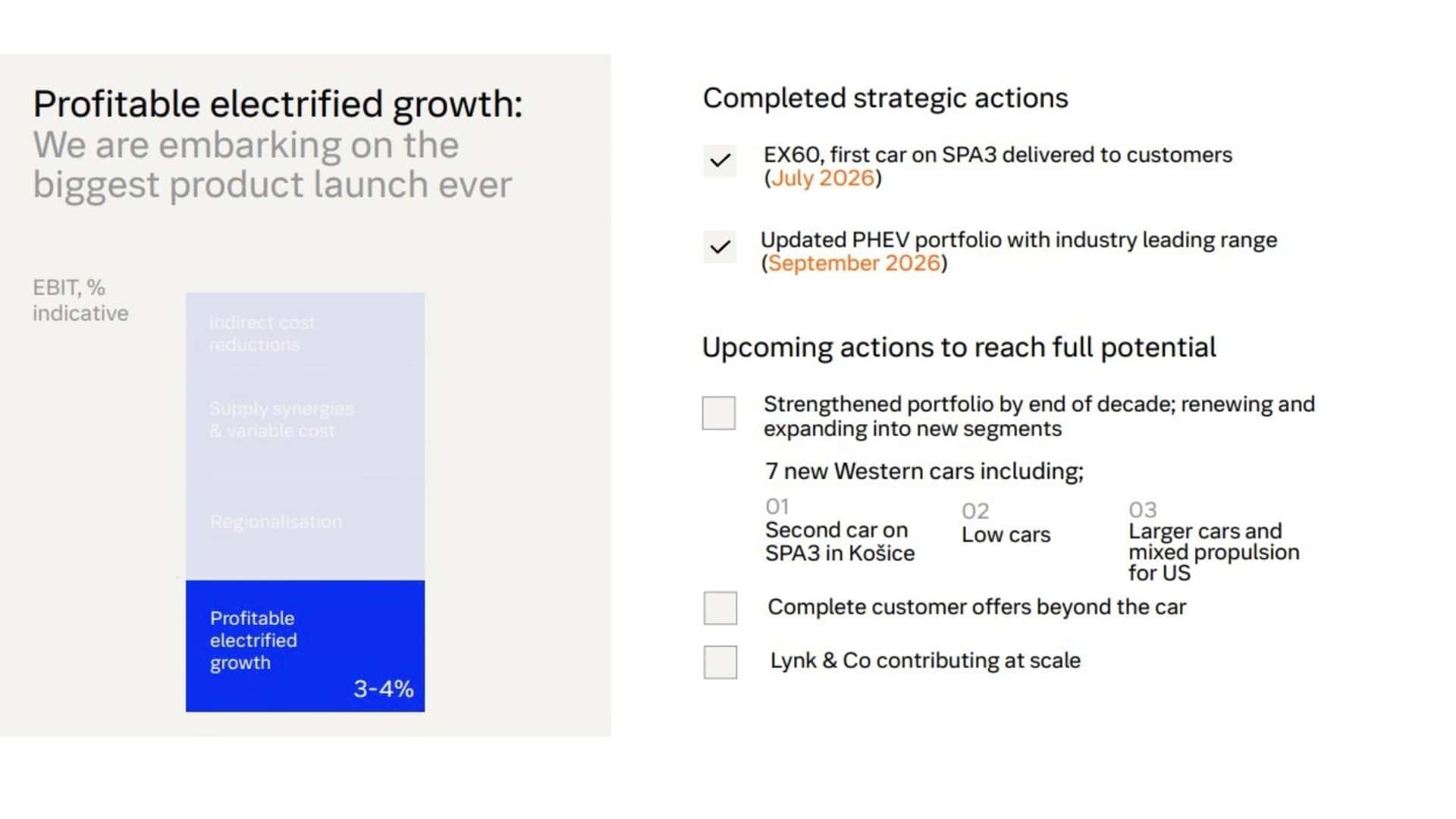
Importantly, these new lower-profile cars aren’t intended solely for markets like China; Volvo plans them for Western markets as well, including the US and Europe. The company mentioned a total of seven new models for these regions, and some will be based on their SPA3 electric platform, which currently supports the EX60 SUV.
What Could These ‘Low Cars’ Be?
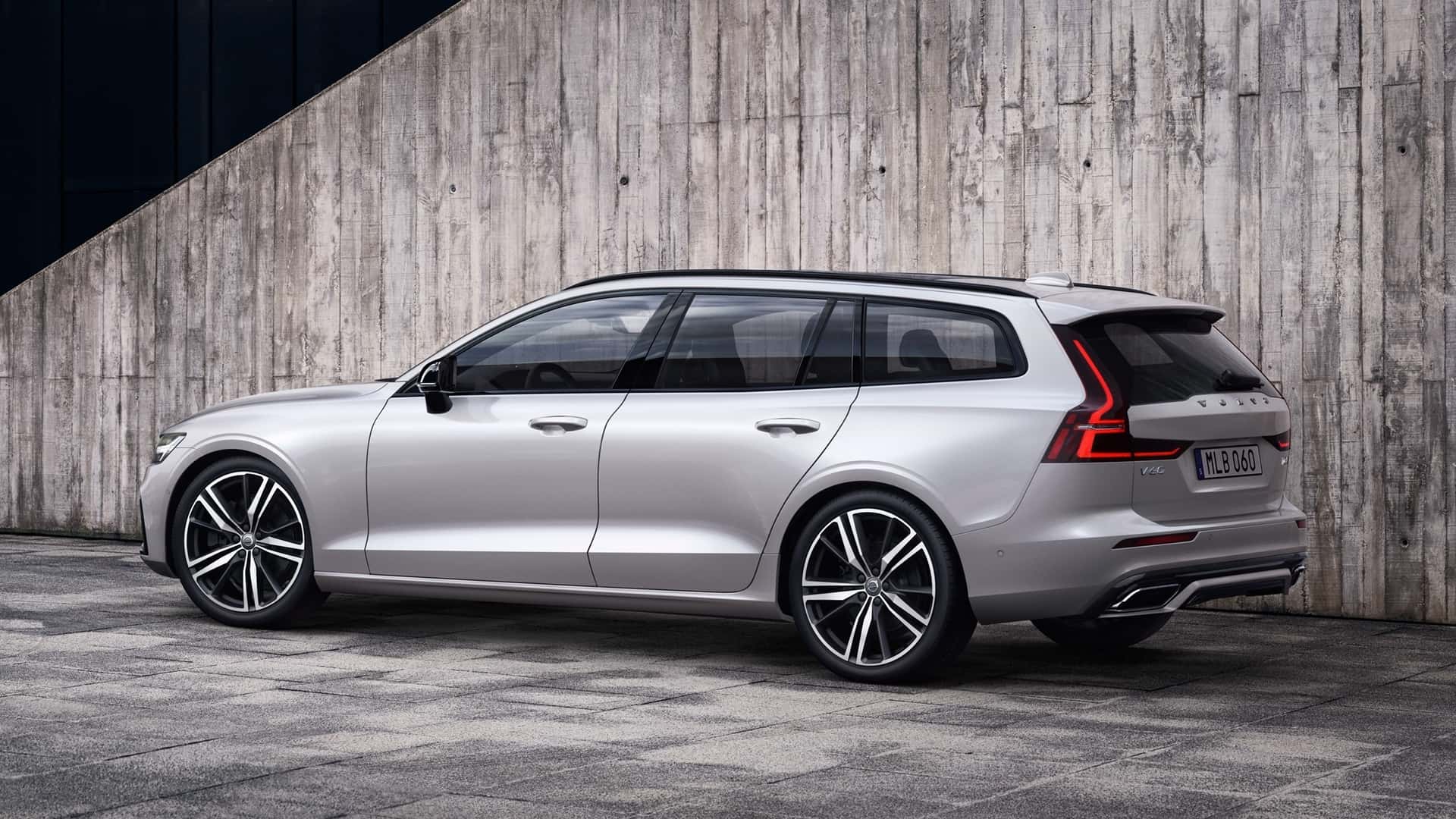
The exact models haven’t been revealed, but industry reports and Volvo’s own hints suggest at least one sedan and one wagon are in development for Europe, with a possibility they could come to the US. Earlier comments from Volvo CEO Håkan Samuelsson indicated the brand may have focused too much on SUVs in the US and wants to bring back more “lower cars” to the market.
Volvo already offers the electric ES90 sedan in Europe, but it has no US launch plans for that model. Therefore, these upcoming “low” vehicles are likely fresh designs or variants tailored more closely for Western tastes. Additionally, with Polestar discontinuing its 2 and 5 models, Volvo might use these new traditional cars to fill in the gaps for customers seeking something different from SUVs.
Bigger SUVs and Diverse Powertrains Also Coming
Besides low-profile cars, Volvo’s Western lineup expansion will include larger SUVs with various powertrains. Current top models like the XC90 and EX90 may be joined by even bigger vehicles, possibly targeting the luxury large SUV segment where competitors such as the Cadillac Escalade operate.
Volvo’s strategy suggests a more varied lineup than today’s SUV-heavy range, potentially making the brand’s offerings more balanced and appealing to a broader audience by the end of this decade.
While many details remain unconfirmed, such as exact model designs and US availability, Volvo’s shift hints at a return to the sedans and wagons that helped define the brand’s heritage.
Source: Motor1.com
Source: motor1.com