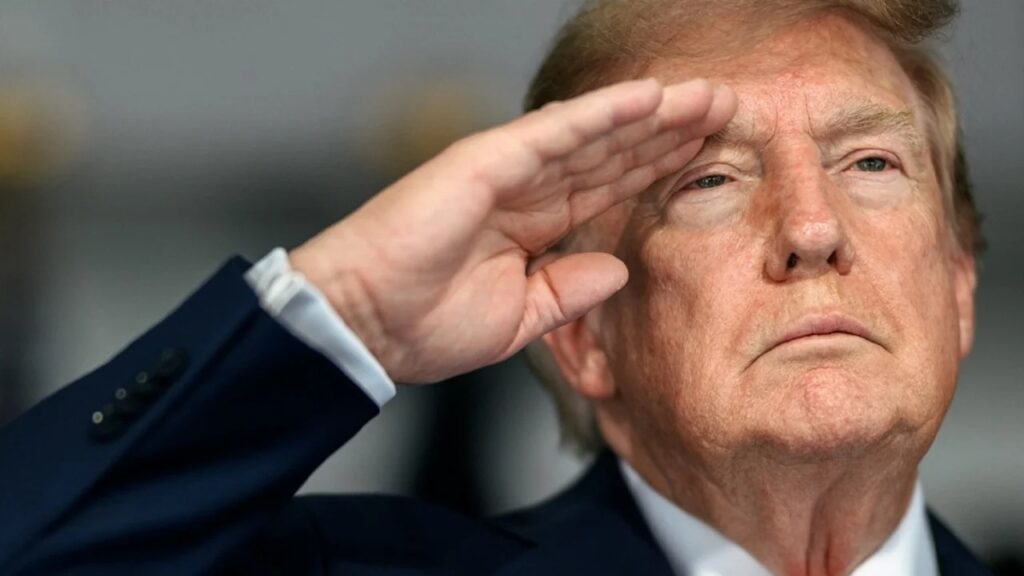

Despite previous strict measures blocking Chinese cars from the US, former President Donald Trump has hinted at a possible shift. He said Chinese automakers could enter the US market if they build factories domestically and hire American workers.
Opening the Door for Chinese Automakers in the US
Under Trump’s earlier administration, Chinese vehicles faced tough restrictions, primarily due to concerns over software ties to the Chinese government. The only major exception was Volvo, owned by Geely, which produces cars in South Carolina. Yet even related brands like Polestar are not allowed to sell in the US and focus on other markets instead.
In a recent interview on Fox News’ The Ingraham Angle, Trump said it would be acceptable for Chinese manufacturers like BYD, MG, Geely, and Chery to enter the US market—provided they follow a particular approach. The main requirement is setting up production in the US and employing American workers.
The Importance of Local Manufacturing and Jobs
Trump compared this to how Japanese carmakers operate in the US, pointing out that companies like Toyota establish factories here and hire local people. He stressed this as the vital part: “If China wanted to come and open a factory here, that would be fine,” he said. “The important thing is that they hire our people.”
This stance suggests Trump wants to encourage Chinese brands to invest directly in US manufacturing, rather than producing vehicles abroad (for example, in Mexico) and exporting them. BYD had previously considered such a plan but dropped it due to political tensions. They have also explored a plant in Canada as an alternative.
Opposition from US Automakers and Industry Groups
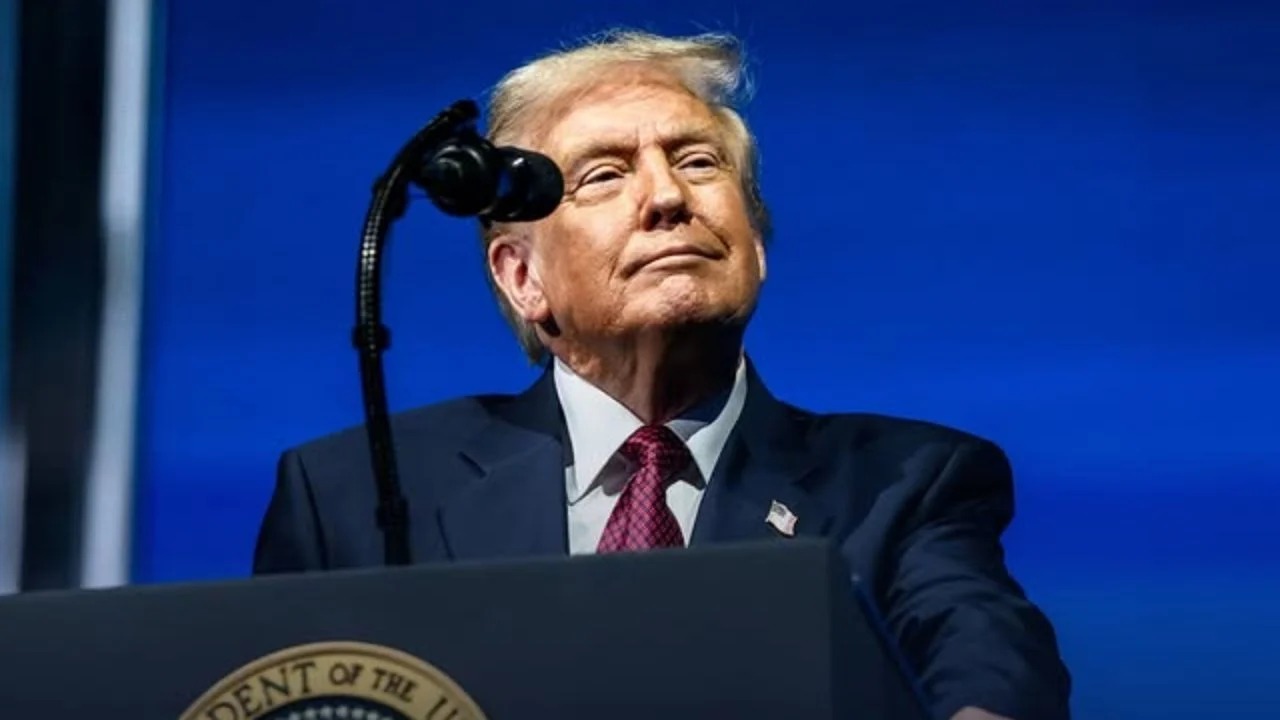
Not everyone is on board with easing restrictions on Chinese cars. The Alliance for Automotive Innovation, representing major manufacturers like GM, Ford, Toyota, Volkswagen, and Stellantis, opposes opening the US market to Chinese brands. They are pushing for a complete ban on Chinese vehicles by the end of this year.
John Bozzella, CEO of the Alliance, argues that Chinese companies benefit from government subsidies and unfair practices. He claims they engage in dumping vehicles globally using connected hardware and software, putting US companies at a disadvantage.
Trump’s position appears to echo the historic path Japanese automakers took entering the US market decades ago—increasing US jobs and production while building brand presence. Ford’s CEO Jim Farley, for example, began his career working at Toyota. The key will be if Chinese automakers are willing to follow this model.
More details on how this policy could evolve are expected as political discussions continue.
Source: motor.es