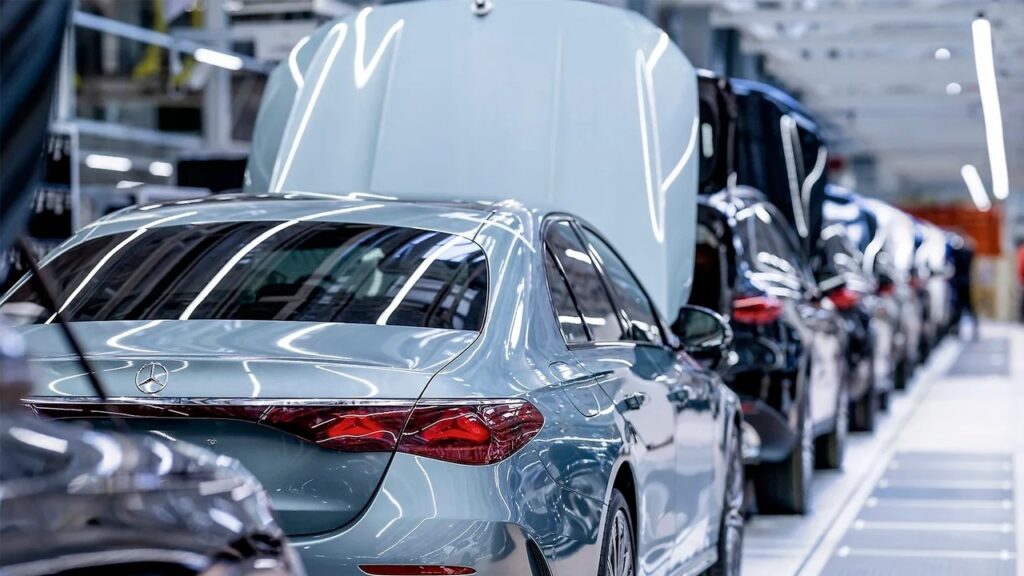

Mercedes-Benz is openly showing its German workforce just how much cheaper it is to produce cars in Eastern Europe. The company revealed that manufacturing costs in Romania are 82% lower than in Germany, highlighting growing pressure to reduce labor expenses amid tough market conditions.
Mercedes Shares Stark Labor Cost Differences
In a rare move, Mercedes’ board member Olaf Schick presented clear figures during a recent employee meeting in Germany. The slides detailed labor costs by factory, comparing German plants with those in Romania, Poland, and Hungary. The data showed production costs in Romania are 81.7% lower than in Germany, with Poland and Hungary also significantly cheaper by 76.5% and 75%, respectively.
Each hour of work in German plants can cost up to four or five times more than in these neighboring Eastern European countries.
Company Demands and the Threat of Moving Production
Mercedes is negotiating with workers and unions to cut costs, proposing to increase weekly working hours from 35 to 40 without extra pay, while also considering cuts in holiday and Christmas bonuses. If the workers reject these changes, the company has hinted it could build a new factory in Eastern Europe and shut down some German plants.
Although Mercedes’ CFO Harald Wilhelm stated there are no firm plans to close factories yet, he acknowledged that German production capacity will likely decline by about 100,000 vehicles by 2028.
Pressure Comes Amid Falling Sales and Profit Margins
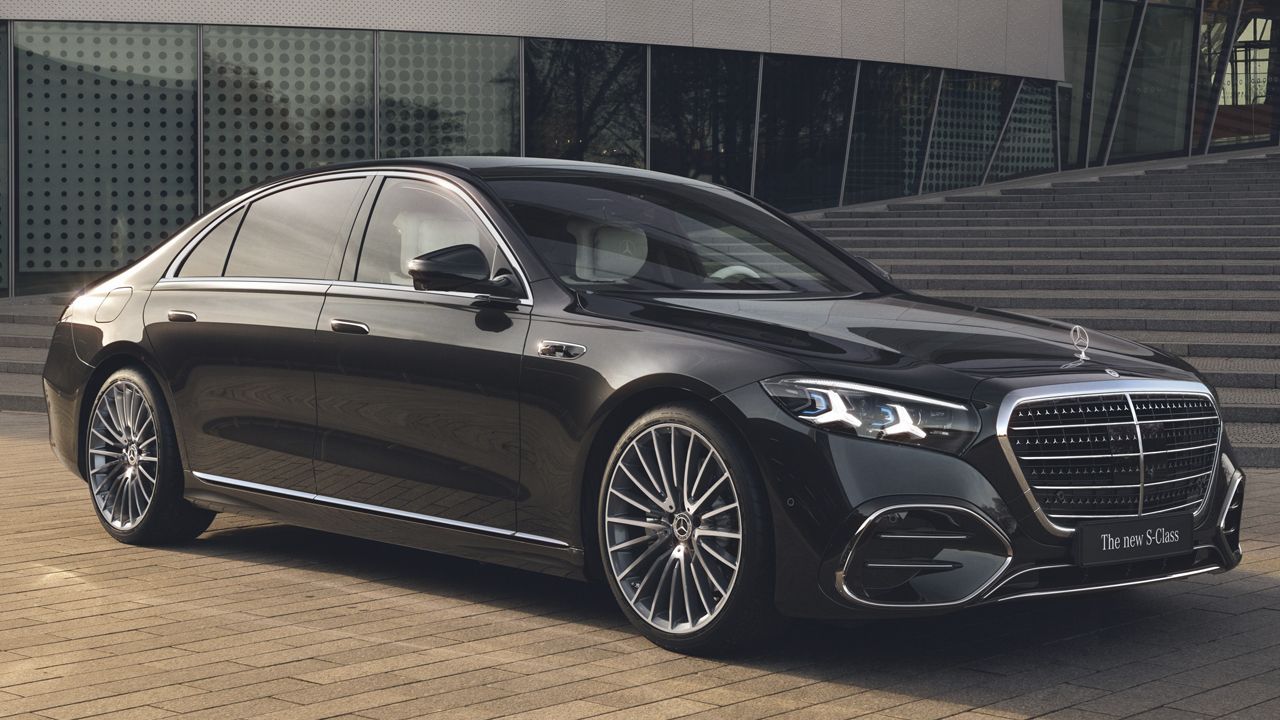
The tough approach from Mercedes follows a sharp drop in sales and profits. In the second quarter of 2026, the car division’s profit margin was just 4%, down from previous years. Global sales fell 8%, and in China—their key market—they dropped nearly 30%. The luxury S-Class model saw a 46% sales decline in China, while AMG models fell 33%.
With such challenges, shrinking labor cost gaps no longer offset high German wages. Industry experts like Roland Berger have warned that the pay gap between Germany and Eastern Europe has grown three to four times in recent years.
Eastern Europe Gains as German Costs Remain High
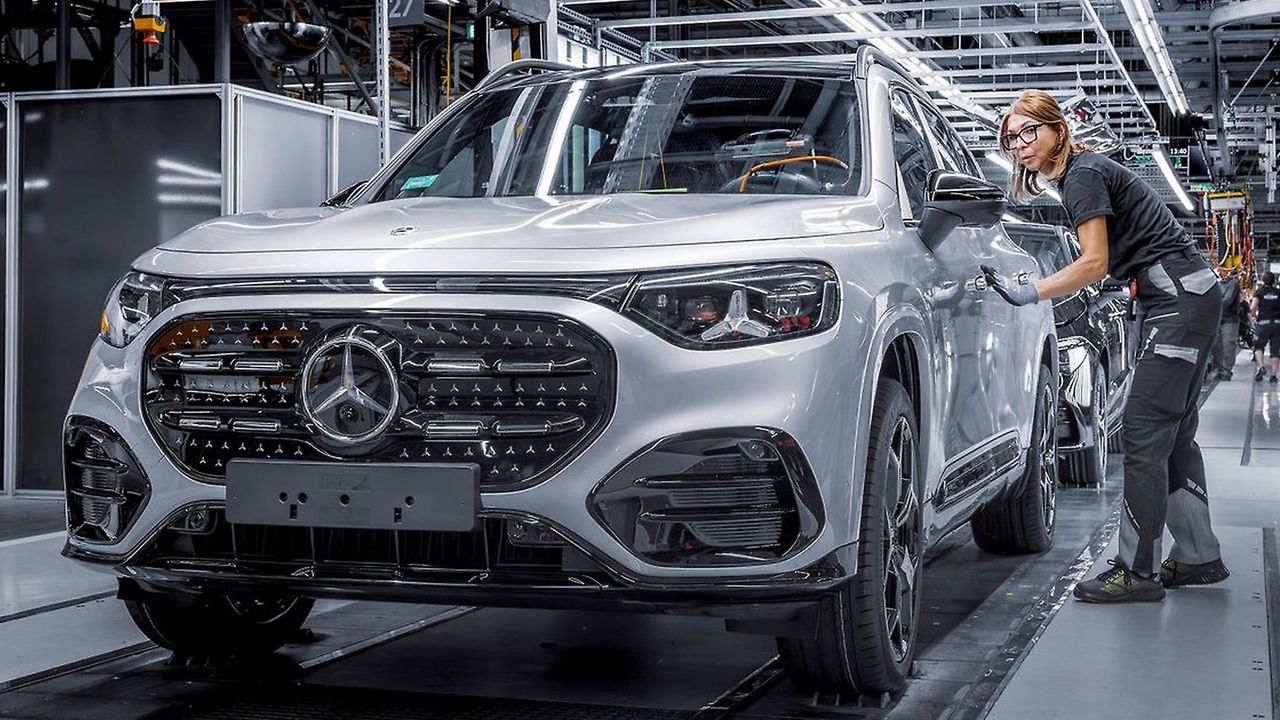
The new Mercedes GLB is produced in Hungary, where manufacturing costs are roughly 70% lower than in Germany. Plants like Kecskemét in Hungary have become increasingly competitive, showing much higher productivity at a fraction of the expenses.
The way Mercedes shared these internal cost details directly with employees has been seen by unions as a negotiation tactic bordering on a threat. The powerful IG Metall union perceives the threat of relocation more as leverage than an imminent plan.
Upcoming Negotiations Will Test Worker Response
Automotive industry wage talks are set to resume in October. Mercedes’ open display of cost differences signals a tough stance heading into these negotiations. German workers face a difficult choice between accepting longer hours and pay cuts or risking factory closures as the company looks to stay competitive amid shifting global pressures.
Source: motor.es