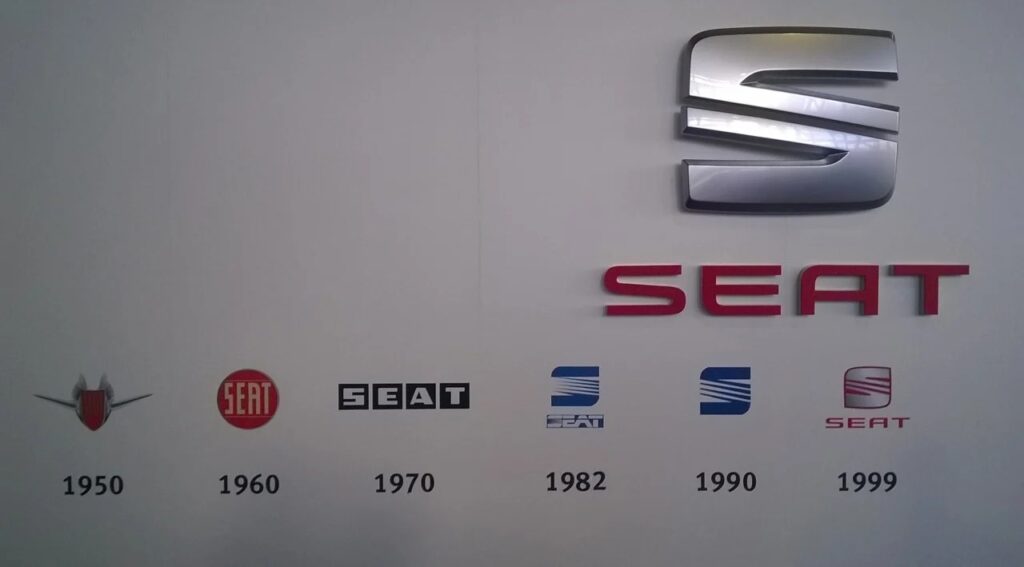

Recent reports from Germany suggested that Volkswagen could phase out the Spanish car brand SEAT by the end of this decade. However, the company quickly denied these claims, highlighting the uncertainty surrounding SEAT’s future. While SEAT is an important name in Spain with a long history, it is not indispensable in the global auto industry.
SEAT’s Struggles with an Aging Lineup
SEAT has faced challenges in recent years, with an aging model range and limited innovation. Sales margins are tight, and the brand’s international presence is weaker compared to other Volkswagen Group marques. These issues have led to speculation about its viability in the coming years.
Despite its difficulties, SEAT remains a significant industrial entity within Volkswagen, employing many people and maintaining a production base in Martorell, Spain. This plant not only builds SEAT cars but can also produce vehicles for Volkswagen and CUPRA, a sporty sub-brand that has been revitalizing the company with higher-profit models.
Historical Context Reflects Industry Realities
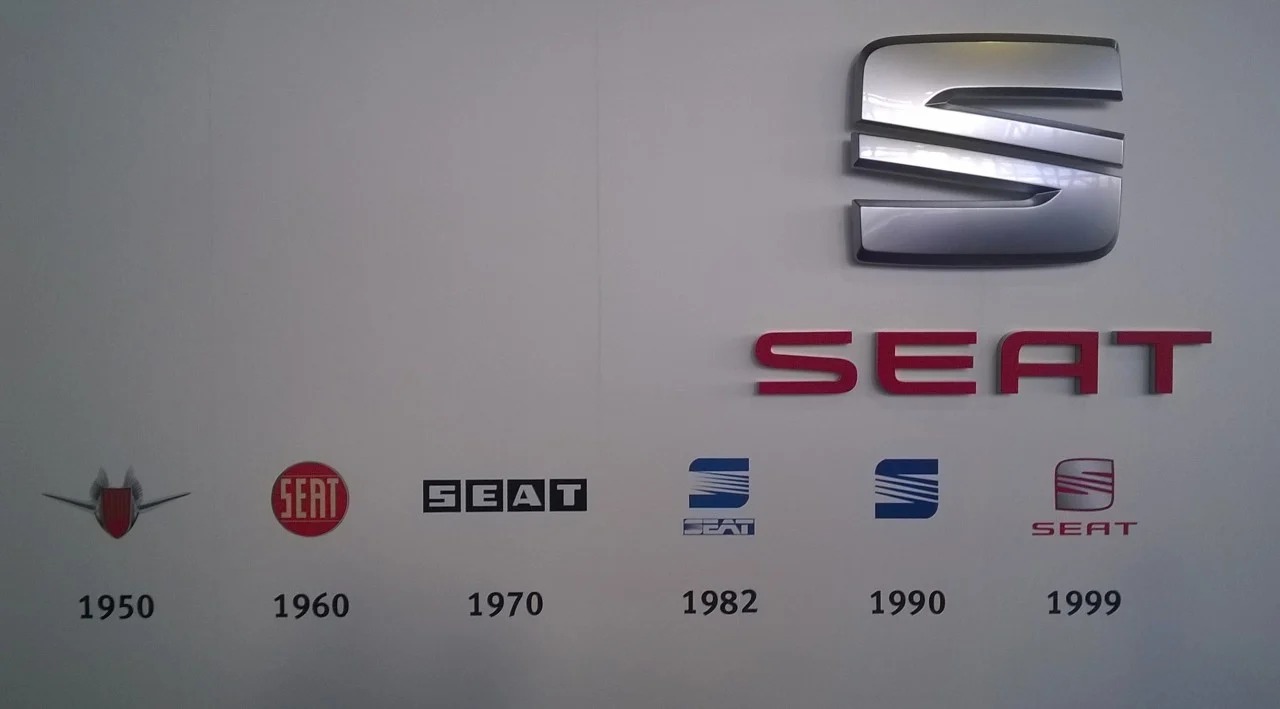
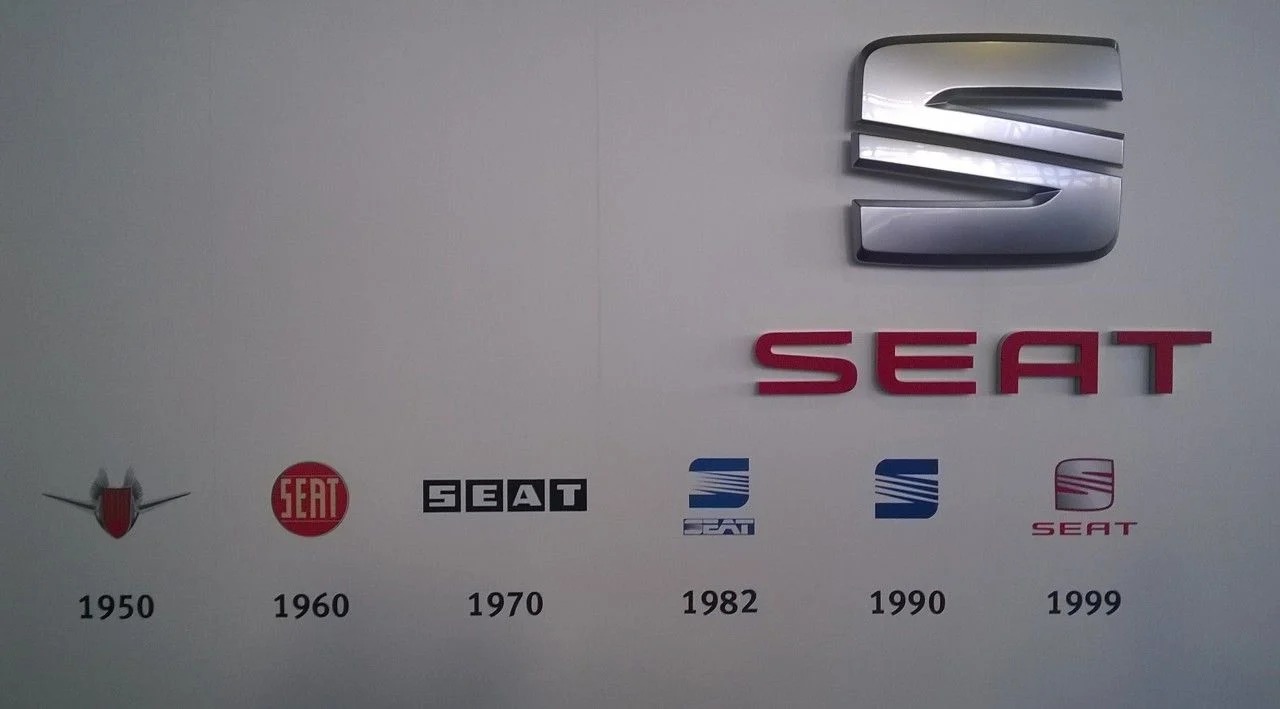
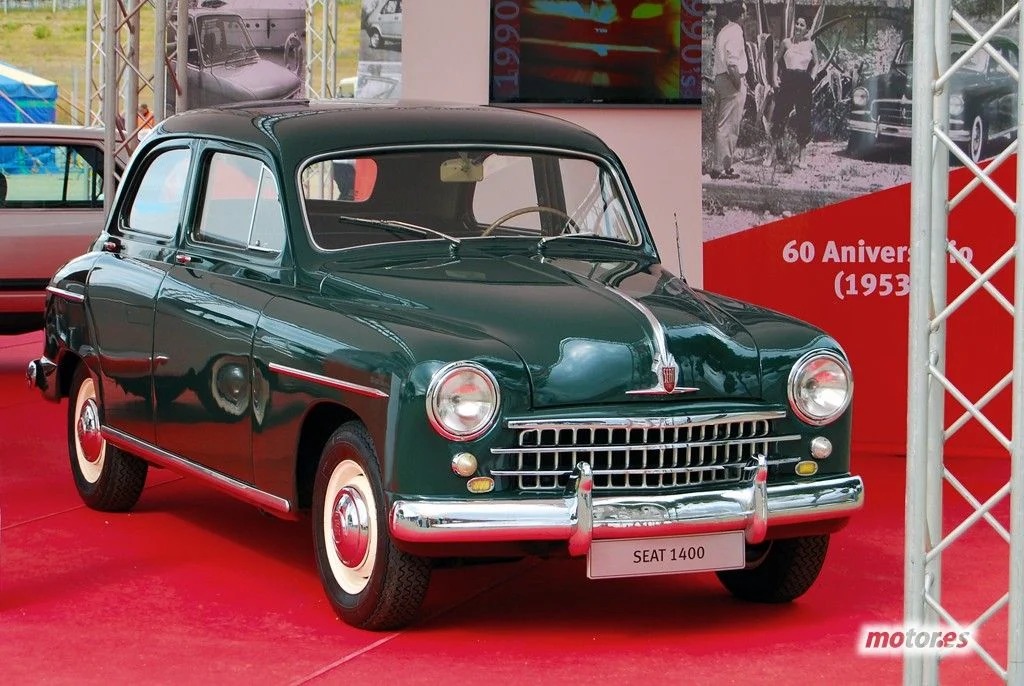
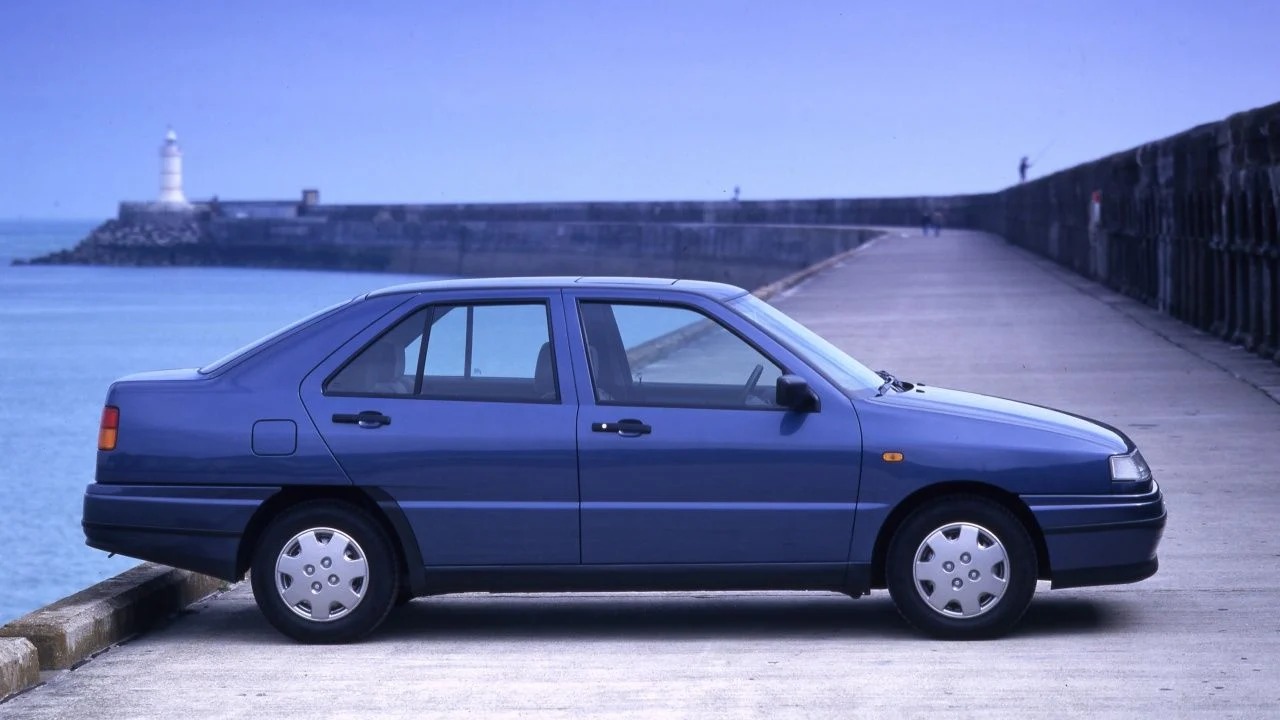
SEAT’s story began in 1949 under Spain’s Franco regime, initially producing models based on Italian Fiat designs. Over time, it established itself as a national icon before being fully acquired by Volkswagen in 1993. Its transition marked a shift to German engineering and design, with the first-generation SEAT Toledo signaling this new era.
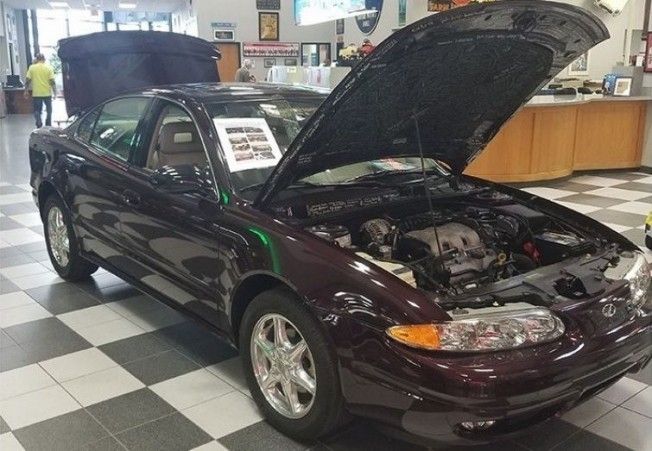
However, SEAT’s experience is not unique. The automotive world has seen many well-known brands disappear or be absorbed when they no longer fit a manufacturer’s strategy. Examples include General Motors’ retirement of Oldsmobile, Pontiac, and Saturn, and Ford dropping Mercury. Even storied brands like Saab and Oldsmobile eventually ceased production.
CUPRA’s Role in SEAT’s Survival
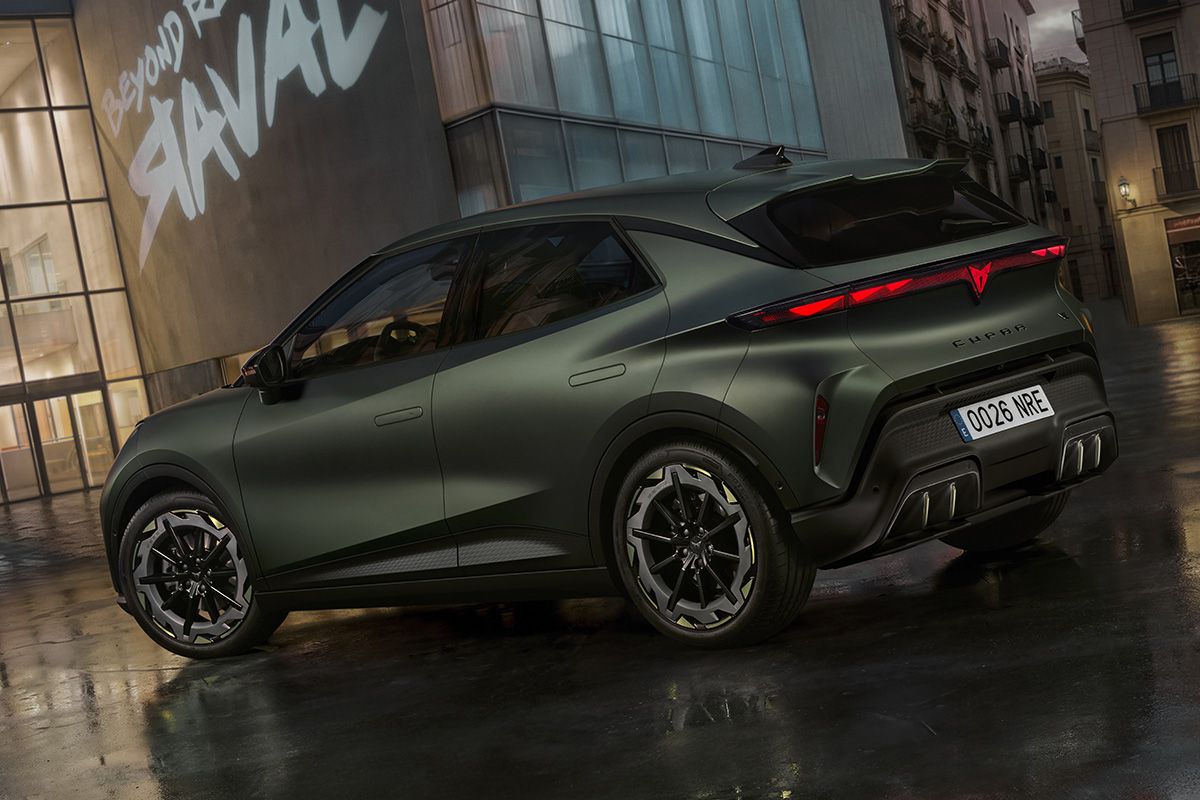
The rise of CUPRA as a premium and performance-focused brand has been a key factor in maintaining SEAT’s industrial relevance. CUPRA models bring better profit margins and a more modern image, helping balance SEAT’s older, less profitable lineup. This suggests the brand’s future may increasingly depend on CUPRA’s success, rather than SEAT’s traditional model range.
If SEAT were to disappear as a commercial brand, the industrial operations and workforce in Spain would likely remain intact, producing vehicles for other Volkswagen Group brands. This scenario would reduce the emotional and historical impact but would not signify the end of its manufacturing presence.
Brand Survival Depends on Business Realities
The auto industry is a tough environment where brands come and go based on commercial results and strategic fit. Many historic names have been retired despite their emotional value. The story of SEAT is a reminder that no brand is guaranteed survival without continuous renewal and clear strategic purpose within its parent group.
While SEAT’s fate remains uncertain, CUPRA’s growing profile may be the best path forward. More details on the future direction of SEAT and its brands are expected as Volkswagen finalizes its long-term plans.
Source: motor.es