
Stellantis is facing renewed challenges in North America after trade negotiations between the United States and Canada broke down. Canadian-built vehicles continue to be hit by a 25% tariff in the US, putting pressure on the automaker’s plants in Windsor and Brampton.
Trade Deal Failure Keeps High Tariffs on Canadian-Made Vehicles
US and Canadian officials had been negotiating a reduction of tariffs on Canadian vehicles from 25% to 15%, with plans to apply deductions based on the origin of components. However, the two sides could not agree on which parts would qualify. The US favored counting only US-made parts, whereas Canada sought recognition of components made anywhere in the regional supply chain, including Mexico.
This disagreement is critical because the auto industry operates across borders in a complex network. Parts often cross between countries multiple times during assembly, making it difficult to assign value to any single nation. As a result, Stellantis’ Canadian-built vehicles remain subject to the higher 25% tariff in the US, while imports from some other countries benefit from lower 15% tariffs. This imbalance could reduce Stellantis’ competitiveness in the North American market.
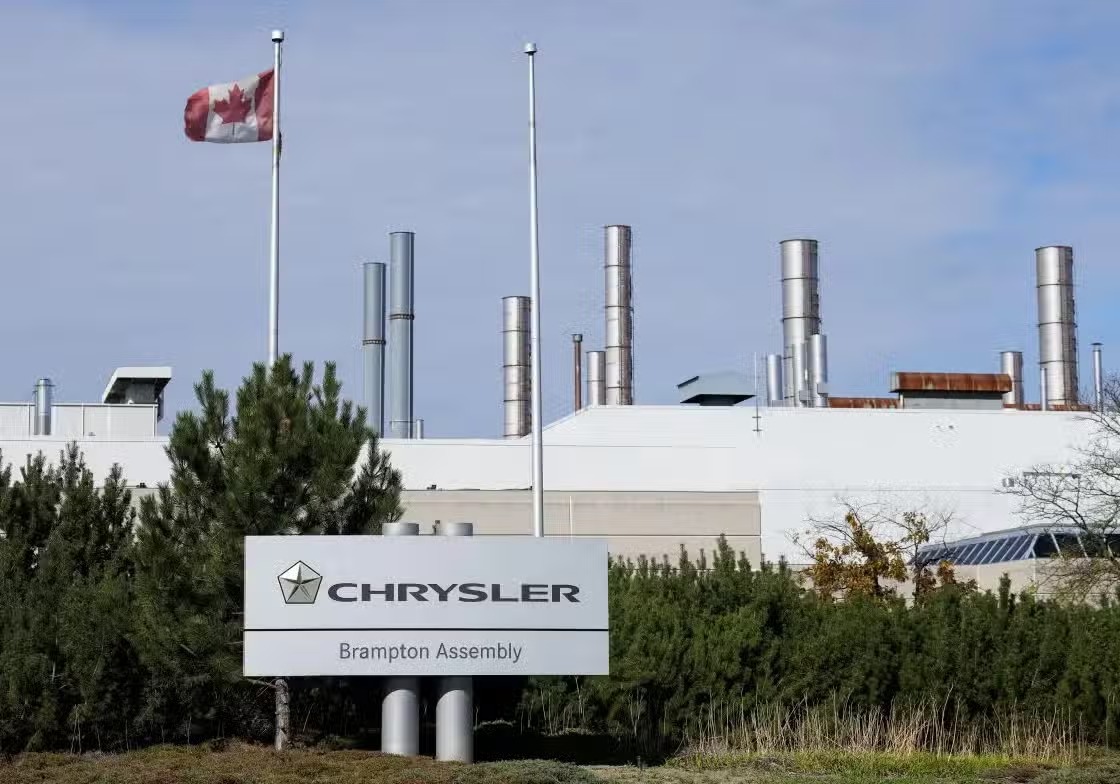
Impact on Stellantis’ Canadian Plants
The Windsor plant keeps producing models like the Chrysler Pacifica and Dodge Charger. Meanwhile, Brampton sits idle after Stellantis shifted the future Jeep Compass production to the United States. According to the Unifor union, Stellantis is exploring options for the Brampton facility, including possibly closing or selling it, with trade tensions partly influencing this uncertainty.
Stellantis has not made any final decisions and says it is still working on finding a sustainable future for the Brampton site. Earlier talks about assembling Leapmotor vehicles there have yet to produce firm plans. Despite Stellantis having a stake in the Chinese company, no buyer or deal has emerged connected to this possibility.

Trade Pressures Affecting Investment and Production Plans
Stellantis aims to invest over €60 billion by 2030, focusing 60% of that on North America, including a $13 billion US investment program announced last year. The unresolved tariff situation makes decisions about production costs, model allocation, and plant usage more complicated, especially for Canadian facilities.
Canada plans to retaliate against US tariffs starting September 8 by imposing countermeasures on sectors such as steel, dairy, appliances, and agricultural machinery. Automobiles are not included in the initial list. Still, with the failure to reach an agreement, Stellantis’ Canadian-made vehicles remain vulnerable to US tariffs, keeping uncertainty high for the company’s North American operations.
Source: clubalfa.it