
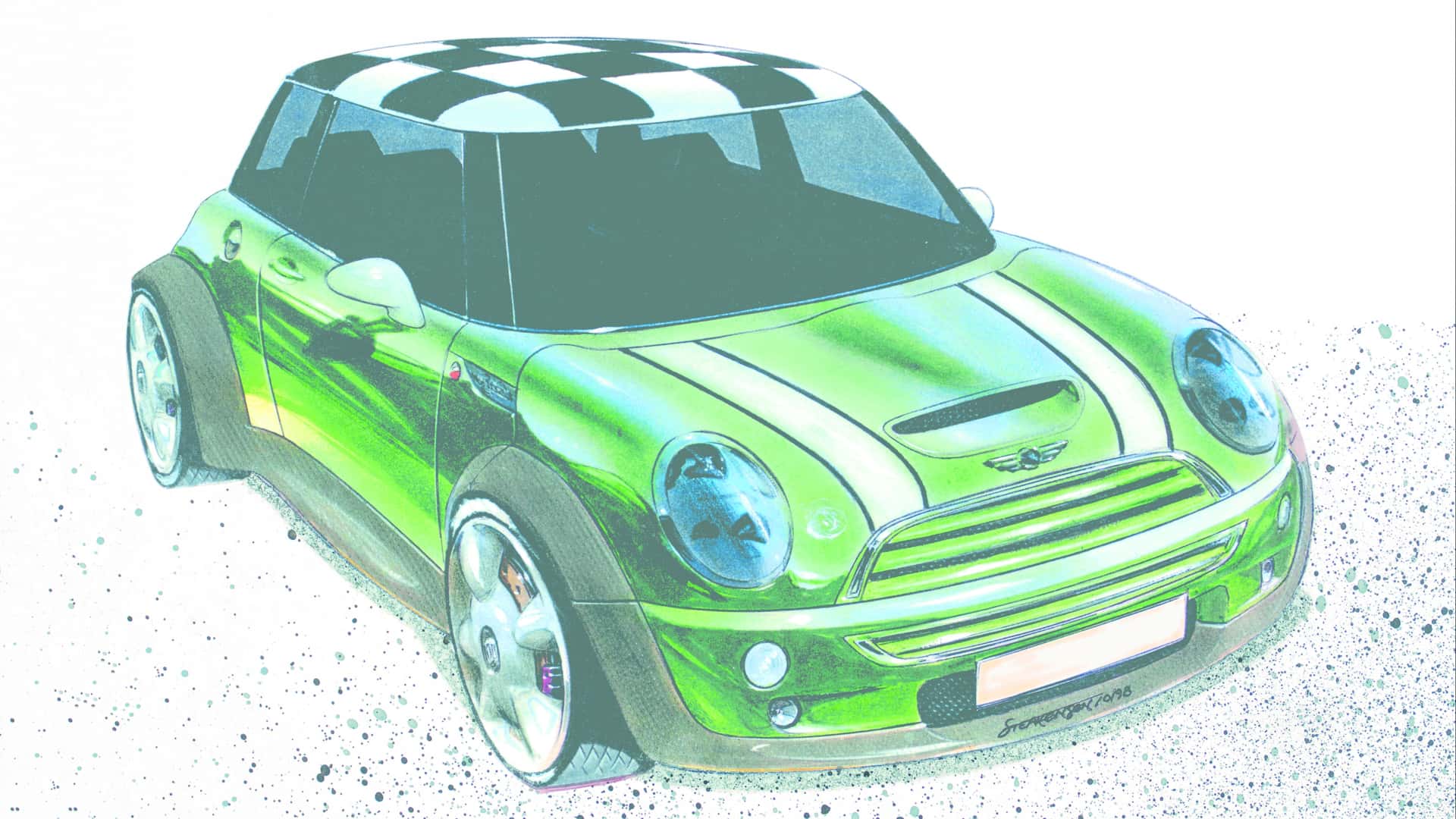
Mini is exploring a big change for its next Cooper model, with early sketches showing a design inspired by the 2001 R50 Cooper. More importantly, BMW is reportedly considering using a rear-wheel-drive electric platform for the new model, potentially shifting away from the front-drive setup seen in current Minis.
R50 Design Influence Shapes New Mini
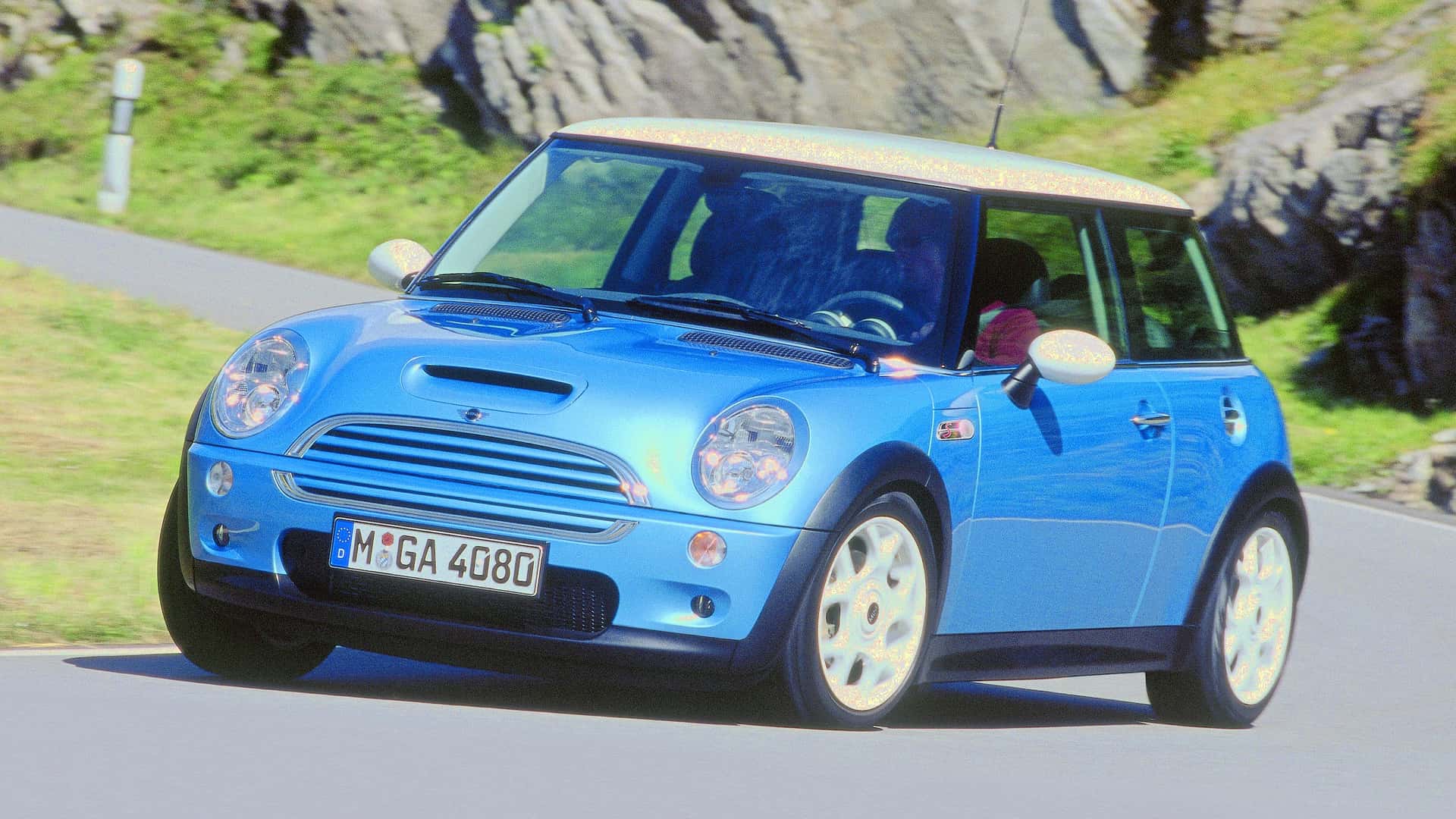
The new Cooper concept draws heavily from the original 2001 R50’s proportions. Sketches reveal short overhangs, upright windows, a chunky roof, and the iconic round headlights set above a simple grille, all elements that helped the R50 stand out. Mini’s design chief, Holger Hampf, emphasizes that these characteristic proportions are “non-negotiable,” as they strongly define the car’s identity.
While recalling these classic styling cues, Mini aims to avoid creating a purely retro car. Instead, the new Cooper is expected to feature smart packaging and fresh, playful details. It will need to accommodate modern safety features, larger batteries, and driver-assist technology, which means some changes under the skin compared to the original.
BMW Weighs Rear-Wheel Drive for Better Dynamics
Currently, Mini’s electric Cooper uses a front-wheel-drive platform developed in a Chinese joint venture. However, BMW’s upcoming Gen6 electric platform places the motor at the rear, offering better weight distribution and traction. This platform is already appearing on new BMW models like the iX3.
BMW’s development chief Joachim Post describes the rear-drive Cooper as an idea under consideration, aiming to enhance “sheer driving pleasure.” Placing the motor at the rear could provide cleaner steering response, improved traction off the line, and more agile handling on twisty roads compared to the current front-wheel-drive setup.
Packaging Benefits from New Layout
The Gen6 platform also allows the battery to be placed low between the axles, potentially freeing up interior space. This could help the Mini compete better with city-focused electric rivals such as the Renault 5 and Fiat electric city cars, which emphasize clever use of space despite their small size.
A similar rear-wheel-drive plan is also in the works for BMW’s next electric 1 Series hatchback, indicating the company is pushing the idea of rear-drive small electric cars seriously.
Still Early Days for the Next Cooper
Though these design and mechanical directions are promising, nothing has been finalized yet. The new Cooper remains some time away, and current Minis continue using front-wheel-drive setups. How BMW balances budget, crash regulations, and packaging challenges will be key to whether the rear-drive Cooper becomes reality.
If it works out, Mini could offer an electric hatchback with sharper handling and stronger character, making it stand out more in a crowded small EV market.
More details are expected as Mini and BMW finalize the new Cooper’s design and engineering in the coming years.
Source: motor1.com