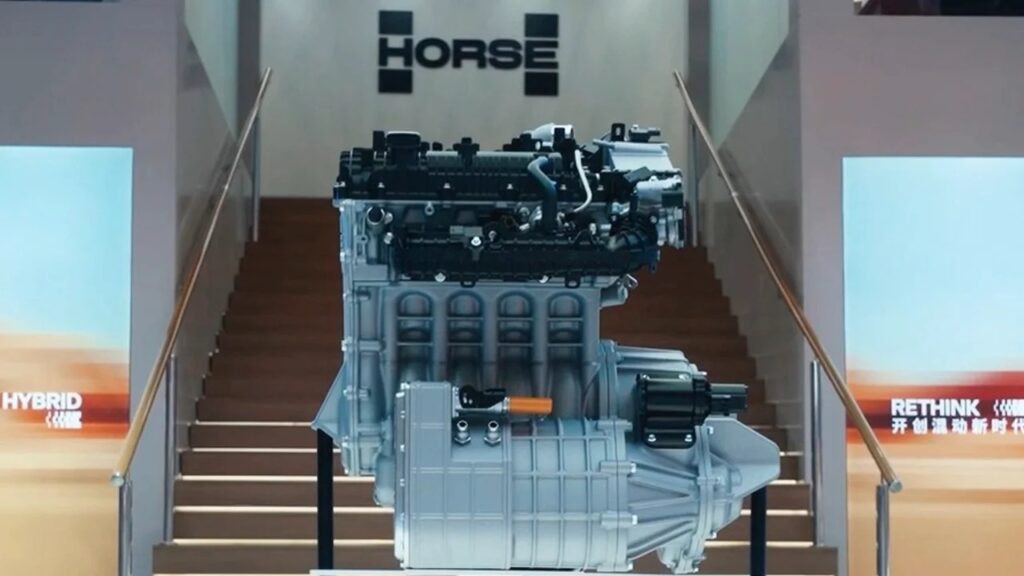

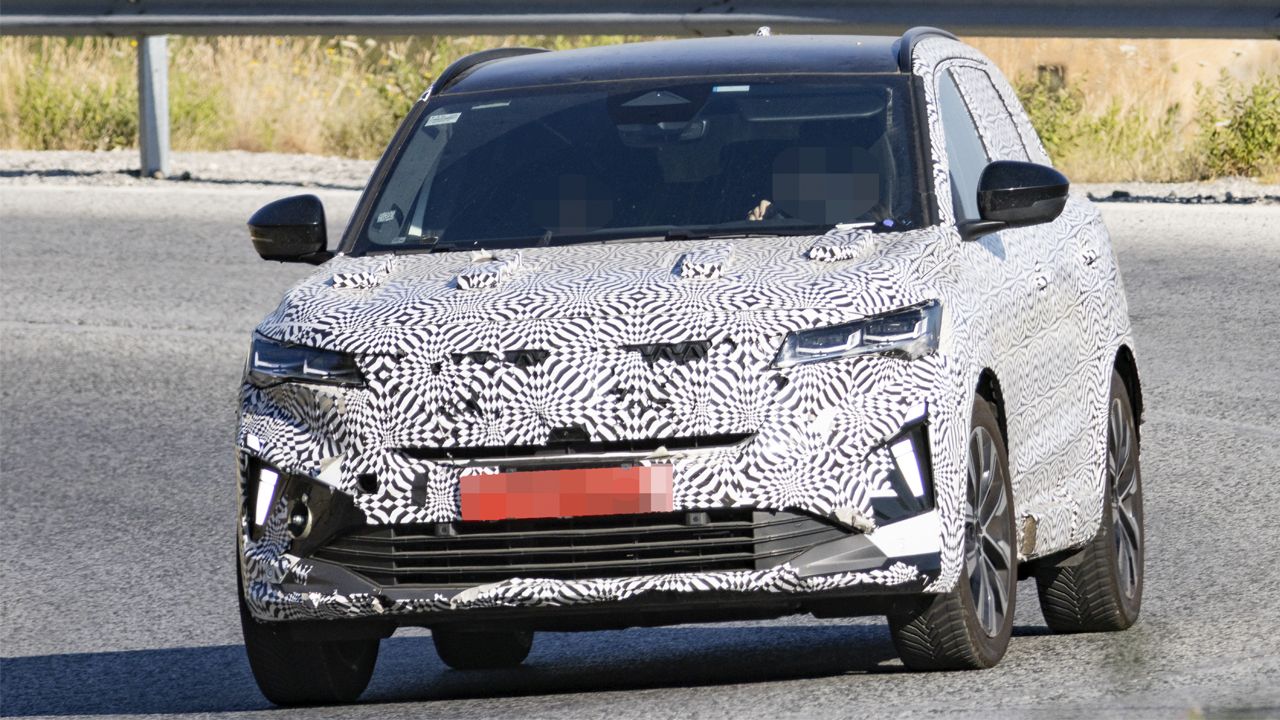
Renault is preparing a significant update for the Austral SUV, expected around 2030, featuring a new hybrid powertrain that could replace the current 1.2-liter three-cylinder engine. This change aims to keep the model relevant for years to come while improving electrification.
End of the 1.2-Liter Three-Cylinder Engine
The current Renault Austral uses a 1.2-liter three-cylinder TCe engine. According to reports, this engine will be phased out soon. It has faced some issues in Europe, which were resolved, but Renault plans to replace it with newer technology. The 1.8 TCe engine found in recent Dacia hybrids may temporarily fill this gap.
New 1.5-Liter Turbo Hybrid System
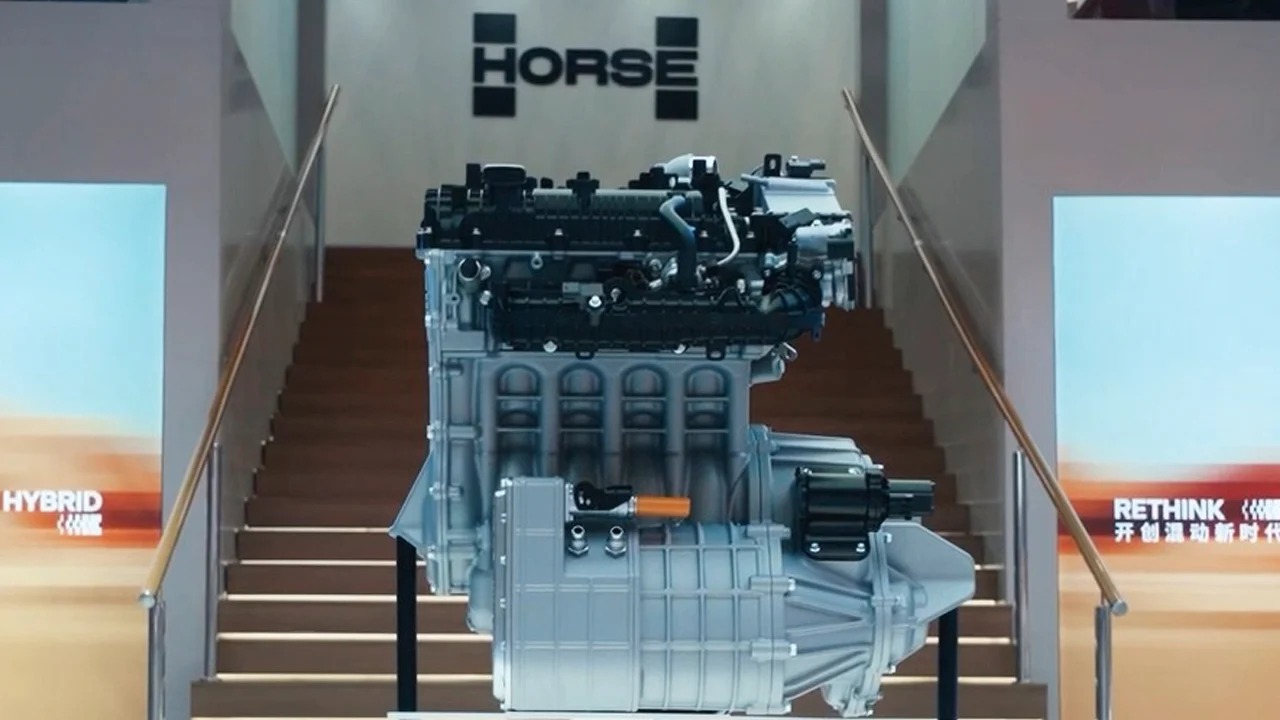
The most notable change will be under the hood, where a new hybrid setup is expected. Key points include:
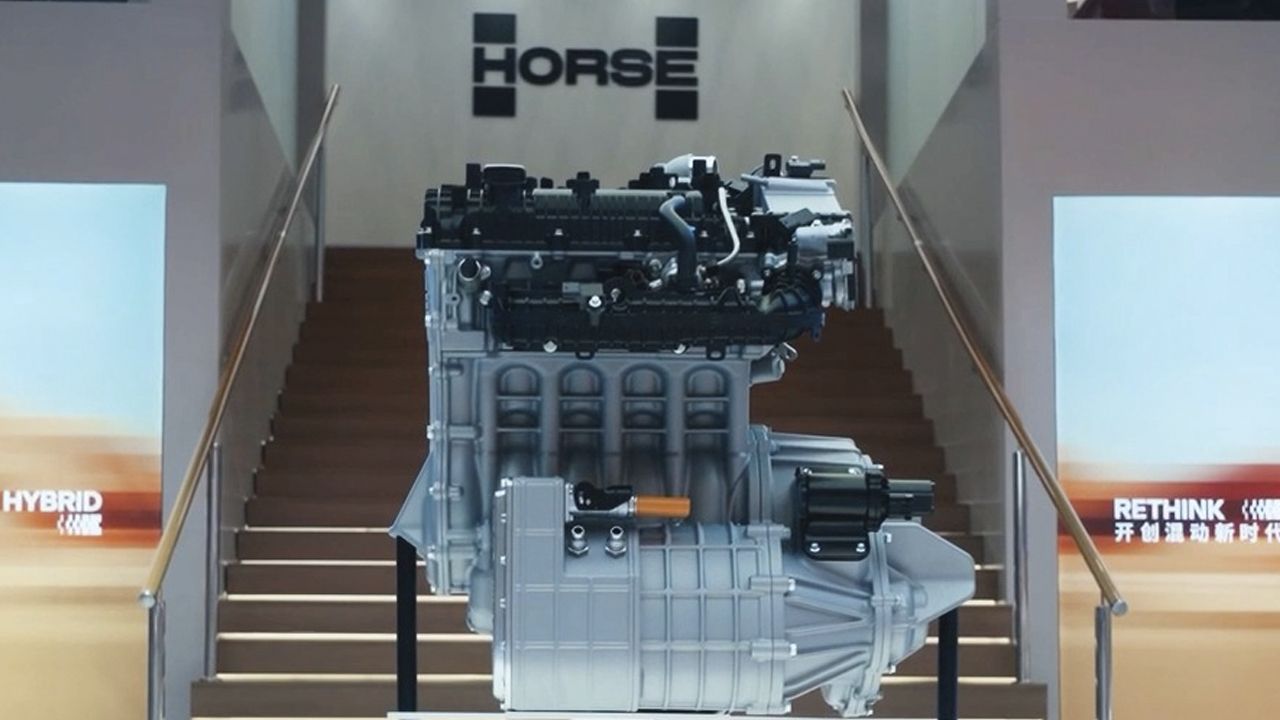
- A 1.5-liter turbo gasoline engine producing about 163 hp.
- A total system output of around 250 hp.
- Electric motors powering the front wheels, with the combustion engine acting mainly as a generator.
- Optional second electric motor for rear-wheel drive, giving the option of all-wheel drive.
Hybrid Technology Inspired by Nissan’s e-POWER
The new system is said to be similar to Nissan’s e-POWER, where the electric motor drives the wheels while the gasoline engine generates electricity. This design aims to allow the Austral to drive on electric power for longer periods, enhancing fuel efficiency and reducing emissions.
Future-Proofing with Synthetic Fuels
The new engine will also be compatible with synthetic fuels, which could help extend the life of the combustion engine beyond 2035. This adaptability aligns with Renault’s plans to comply with future European emission regulations while offering customers more eco-friendly driving options.
Why It Matters
The Renault Austral remains a key model for the brand’s future, and these technical updates show Renault’s commitment to hybrid technology without fully abandoning combustion engines. The move towards more electric driving time and synthetic fuel use highlights a balanced approach to emissions and performance for the 2030s.
Source: motor.es