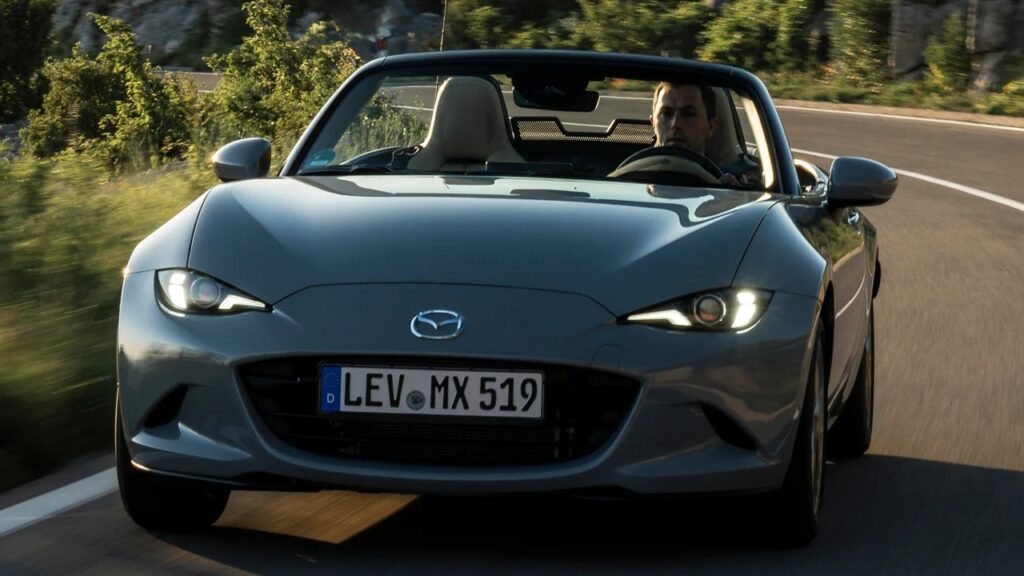

Mazda has announced updates to the 2027 MX-5, focusing on enhanced driving dynamics and safety features while discontinuing the 2.0-liter engine in Europe. Alongside a new special edition, the roadster keeps its classic design and lightweight appeal.
Sporting Enhancements and New Safety Features
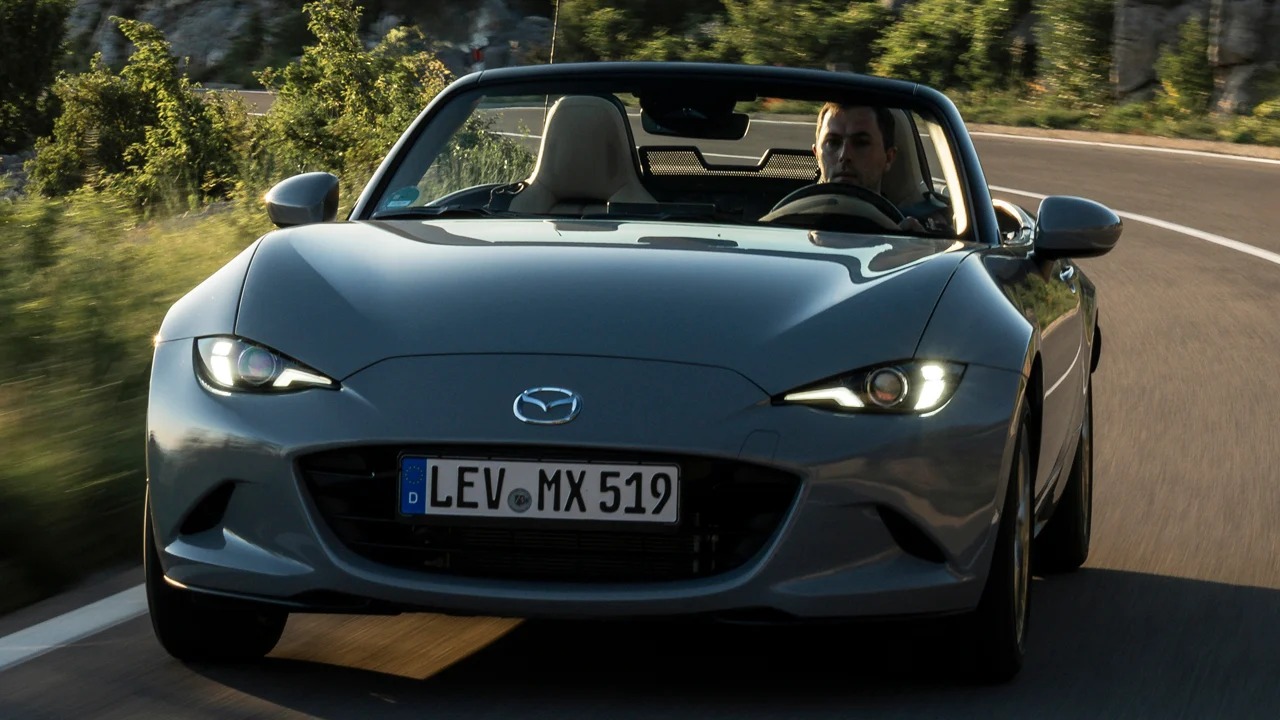
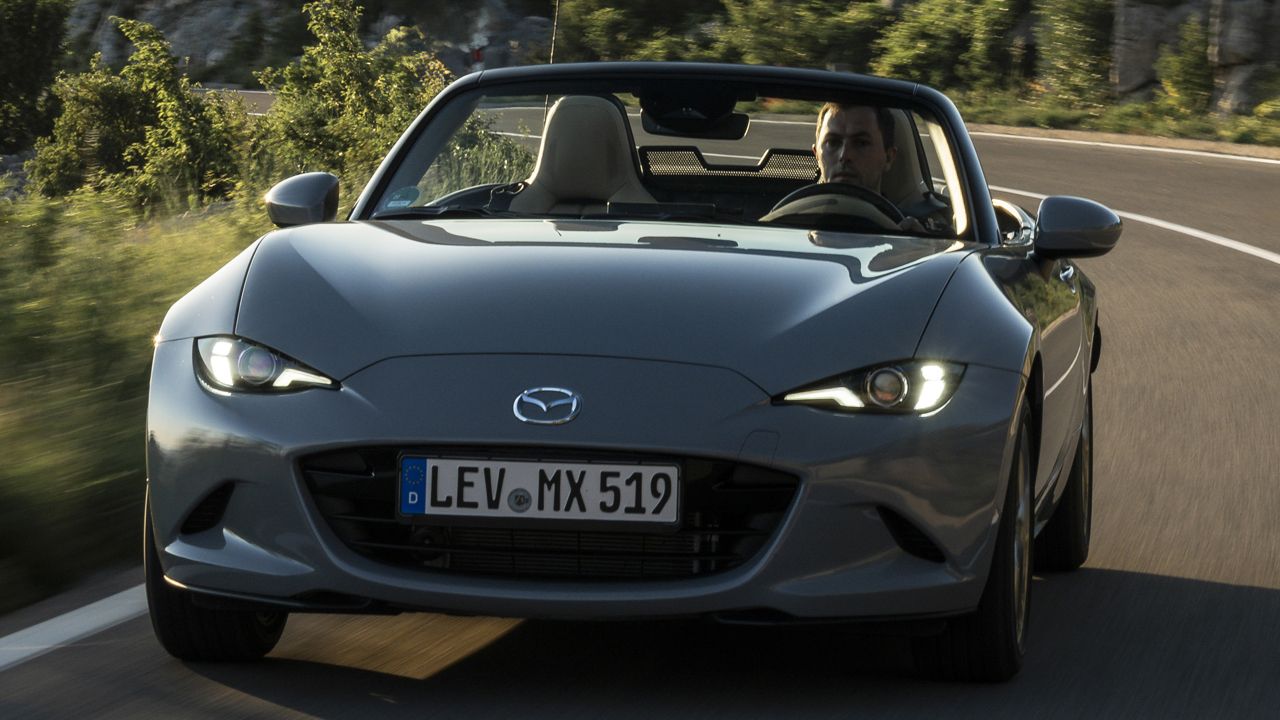
The 2027 Mazda MX-5 maintains its iconic look with no exterior design changes. However, Mazda has improved the chassis and safety equipment, especially in the higher Homura trim:
- Standard driver attention alert system across all trims to detect fatigue or distraction
- Bilstein sports suspension installed in Homura model for improved handling
- Reinforced front stabilizer bar to increase body rigidity
- Brembo sports brakes enhance stopping power
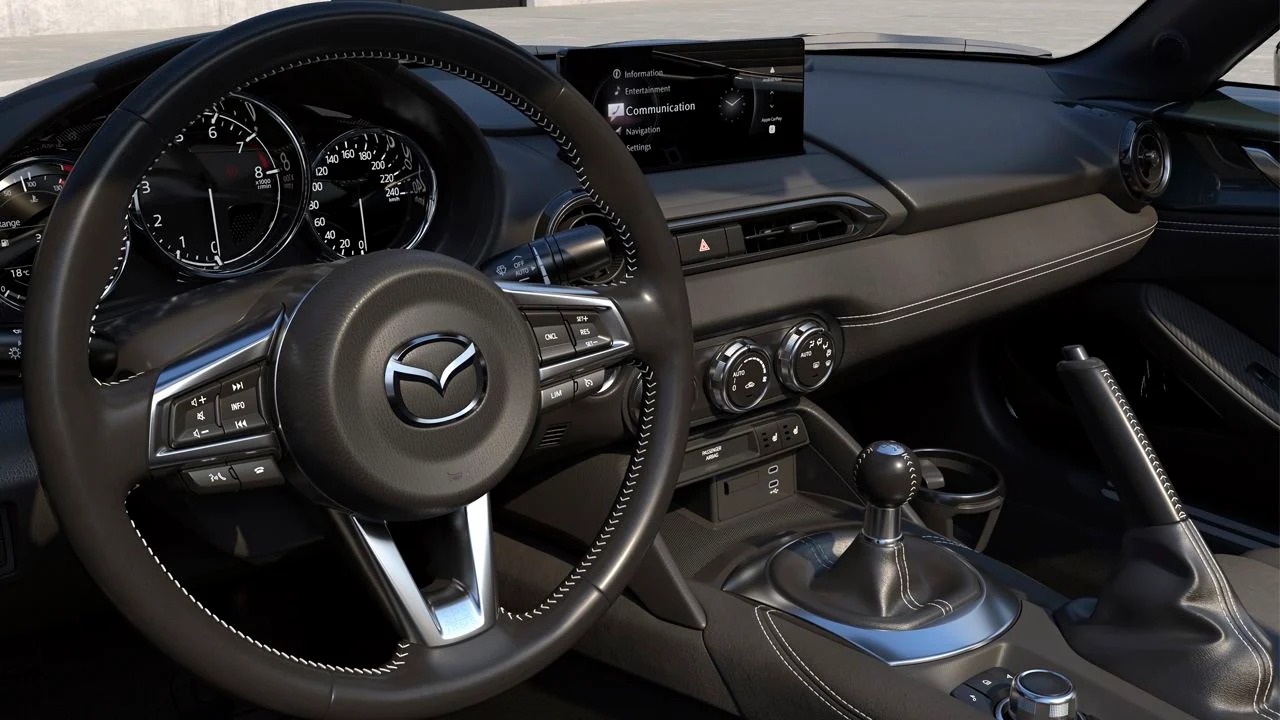
- New 16-inch RAYS alloy wheels and Recaro seats with better cornering support
New Special Edition and Engine Lineup Changes
Mazda has introduced the “Yakudo” special edition based on the Homura trim, featuring:
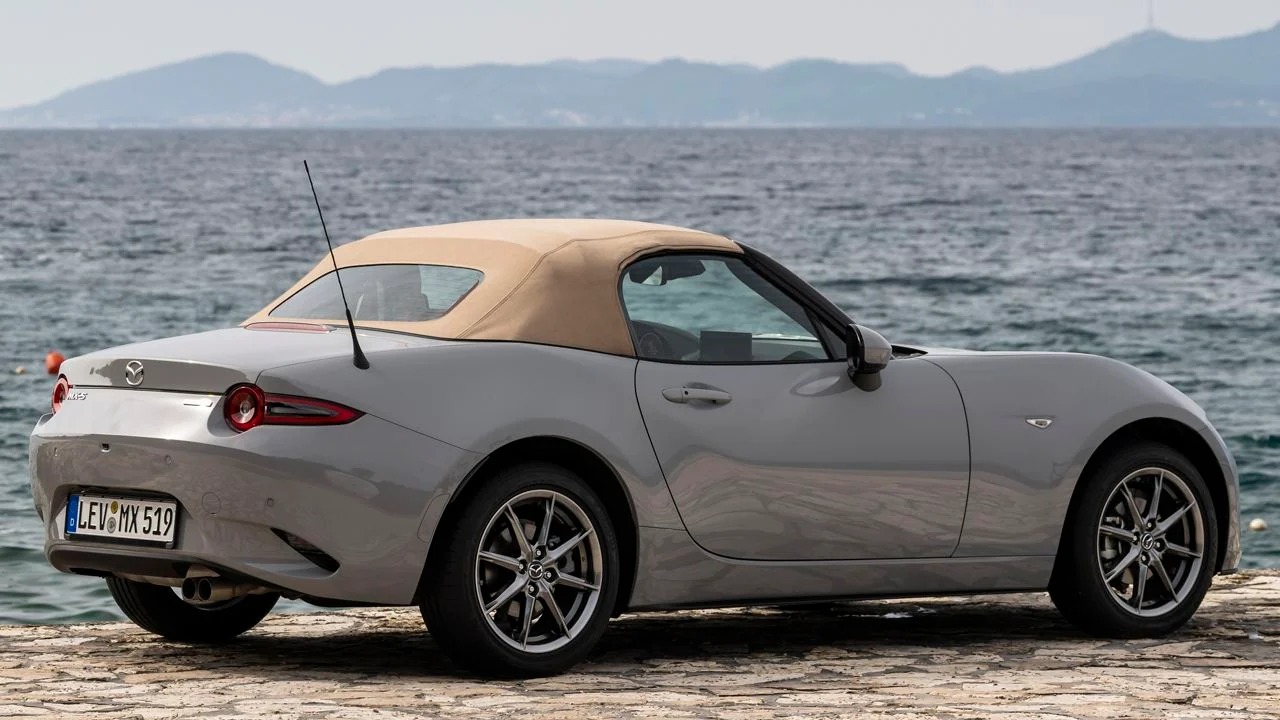
- Exclusive light-colored soft top roof
- Silver-painted brake calipers and trim details
- Alcantara interior upholstery with unique badges on floor mats
However, the MX-5 loses its 2.0-liter 184 hp engine option in the European market. The remaining 1.5-liter engine now offers a slight power boost from 132 hp to 136 hp and torque increase from 152 Nm to 155 Nm. Despite the boost, CO2 emissions remain at 139 g/km with a minor improvement in fuel consumption to 6.1 l/100 km.
Launch Timing and Availability
The updated Mazda MX-5 will continue to be available with either a soft top or an electric hardtop roof. Production is set to begin in October, with official pricing for Spain and other European countries expected closer to the launch date.
Why It Matters
The Mazda MX-5 2027 updates demonstrate Mazda’s commitment to maintaining a lightweight, engaging roadster without embracing heavy electrification or digital tech trends. While losing the 2.0-liter engine option might disappoint some enthusiasts, the improvements in chassis tuning and safety help keep the MX-5 relevant in a competitive sports car market.
Source: motor.es