
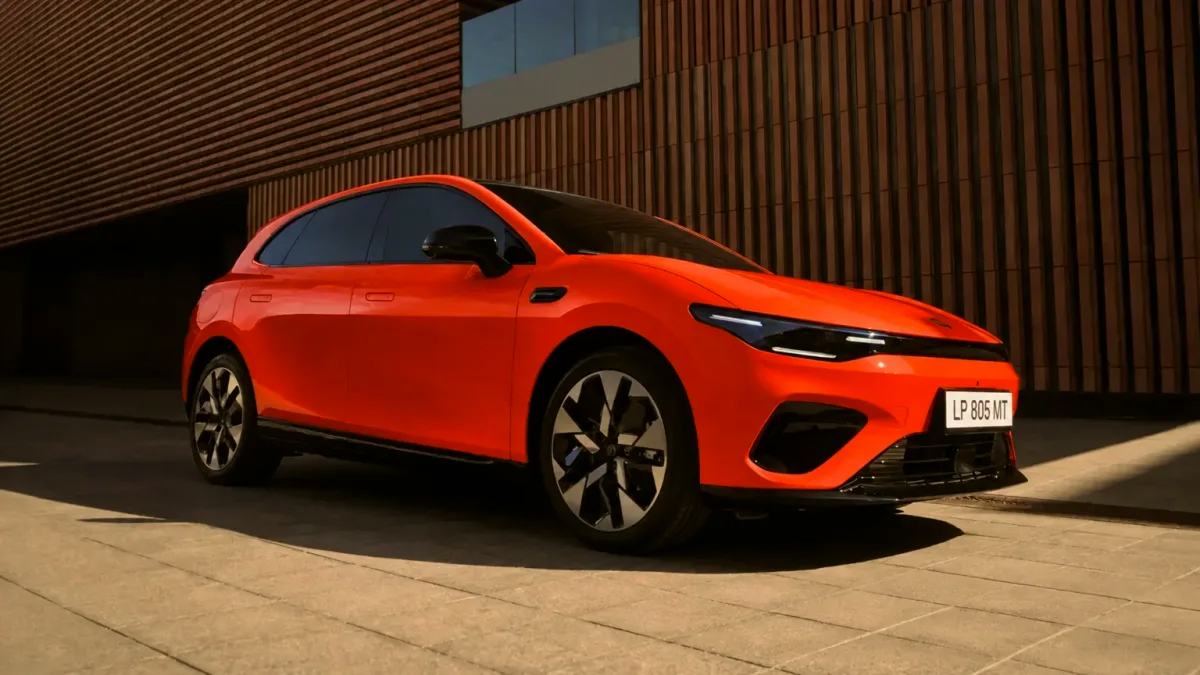
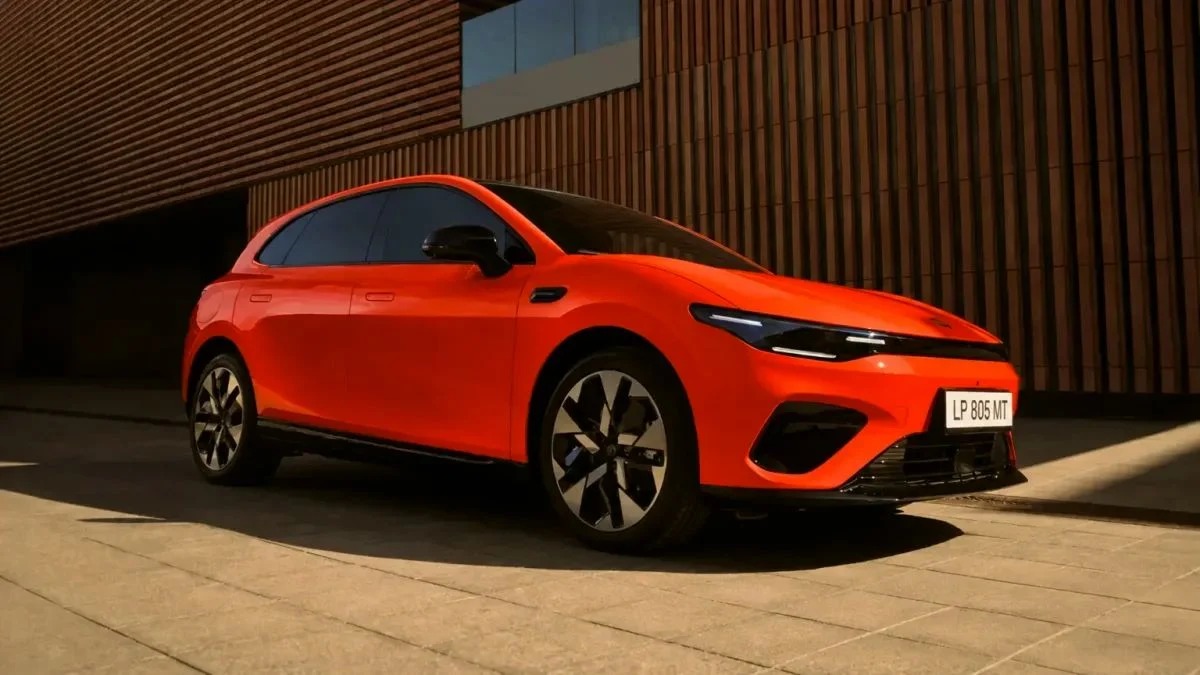
Leapmotor is moving production of its B05 Life Pro electric car to Europe, with the Stellantis factory in Zaragoza, Spain, set to take over assembly. This shift marks a significant step for the model’s availability in Spain, aiming for delivery to customers starting in April 2027.
More Battery Capacity and Longer Range
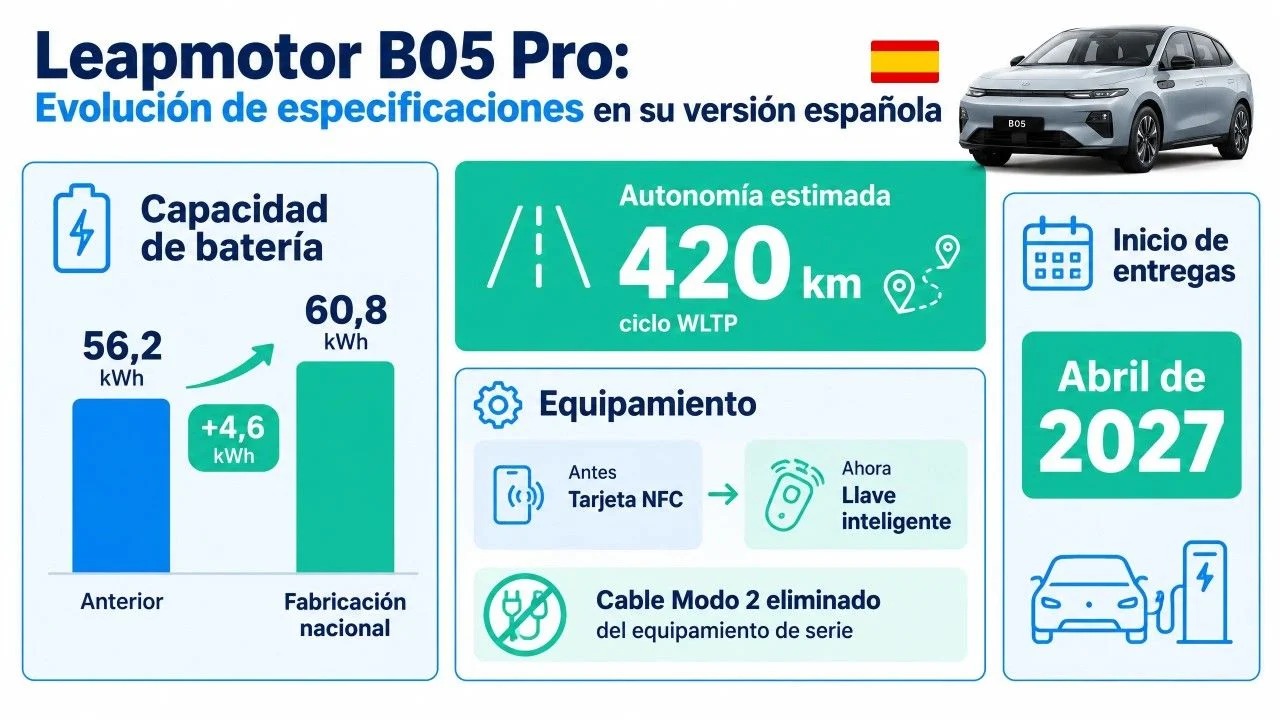
The most notable change for the European-made Leapmotor B05 Life Pro is under the floor: the battery size grows from 56.2 kWh to 60.8 kWh. This larger battery is expected to boost the estimated driving range to around 420 kilometres, although official WLTP figures are still pending. This increase should help reduce range anxiety, especially on faster roads and mixed driving cycles.
Changes in Charging and Access Features
However, not all updates are upgrades. Unlike the earlier Asian-produced versions, the new Spanish-made models will not include the Type 2 (Mennekes) charging cable as standard. Buyers will need to purchase this separately if they want to use public AC charging stations.
On the convenience side, the car drops the previous NFC card access system. Instead, it now offers a standard smart key with passive entry and push-button start, meaning drivers no longer need to handle a card to unlock or start the car. This is a practical improvement that simplifies daily use.
New Colours and Production Timeline
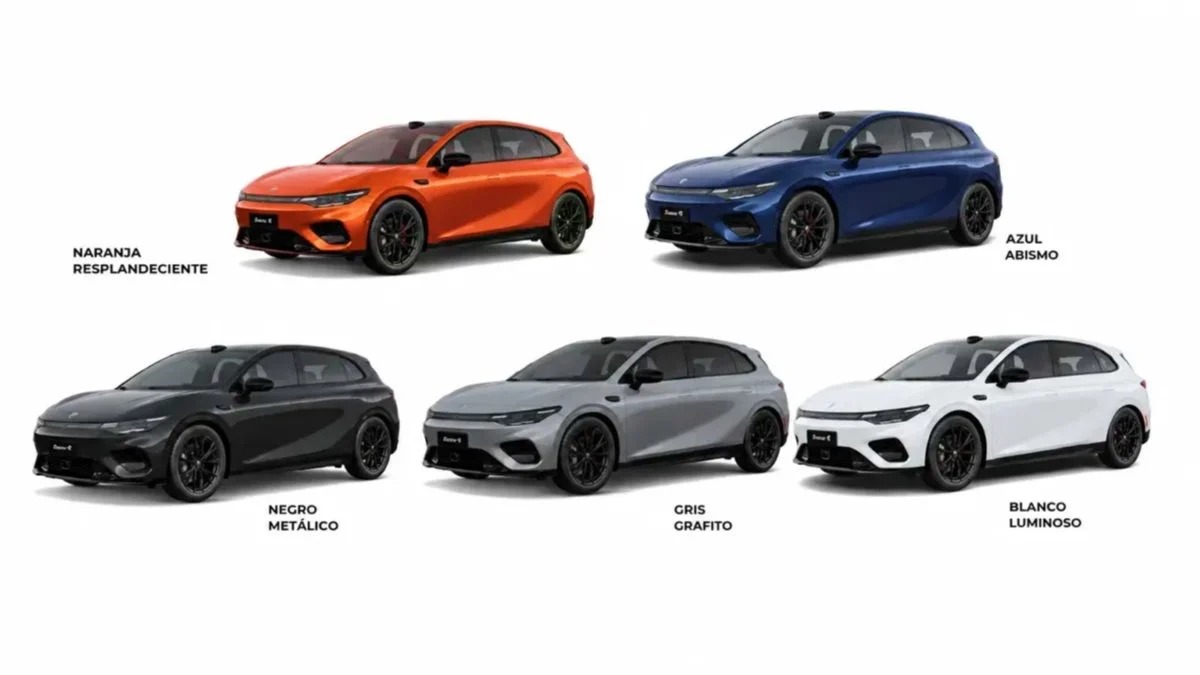
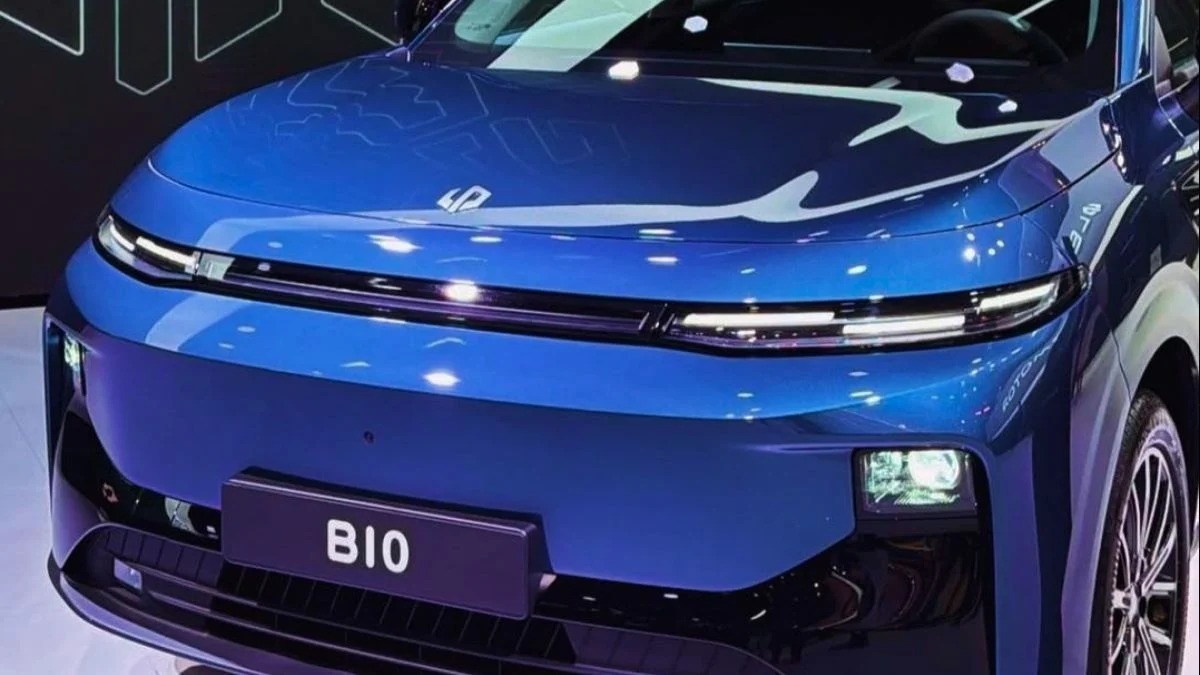
The European B05 Life Pro will have new exterior paint options, with a bright orange shade as the standard colour at no extra cost. Other colours will become optional extras in the Spanish market. The slightly larger Leapmotor B10 model will also receive a new blue paint called “Abismo”, which is reported to be well received.
Orders are now open through official dealerships in Spain. Deliveries of the Zaragoza-built B05 Life Pro are expected to begin in April 2027. This timing fits Stellantis’ plan to expand production at its Figueruelas plant, and it should offer buyers improved support and parts availability compared to previous imports.
Price and Market Impact
Official pricing has not yet been announced. Producing the car in Spain should avoid import tariffs and could lower costs. However, the removal of the Type 2 charging cable from standard equipment might help balance those savings. Overall, a slightly more competitive price than the imported model is anticipated.
Source: motor.es