
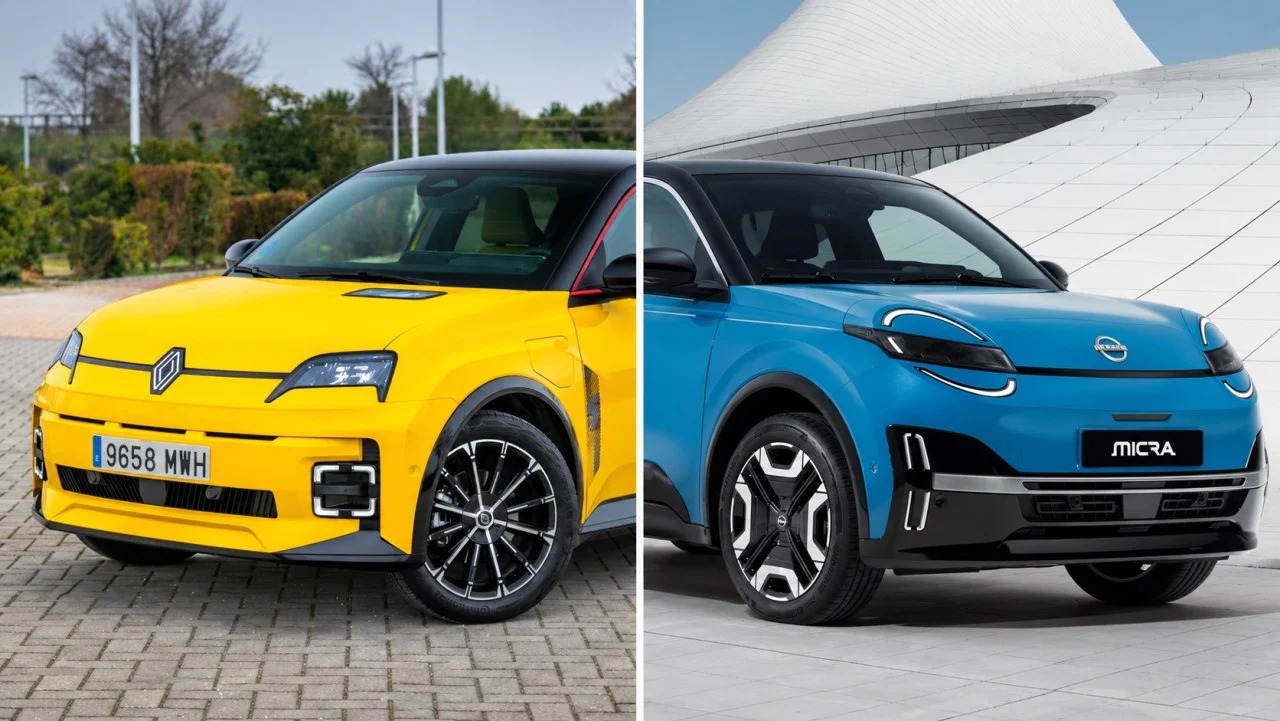
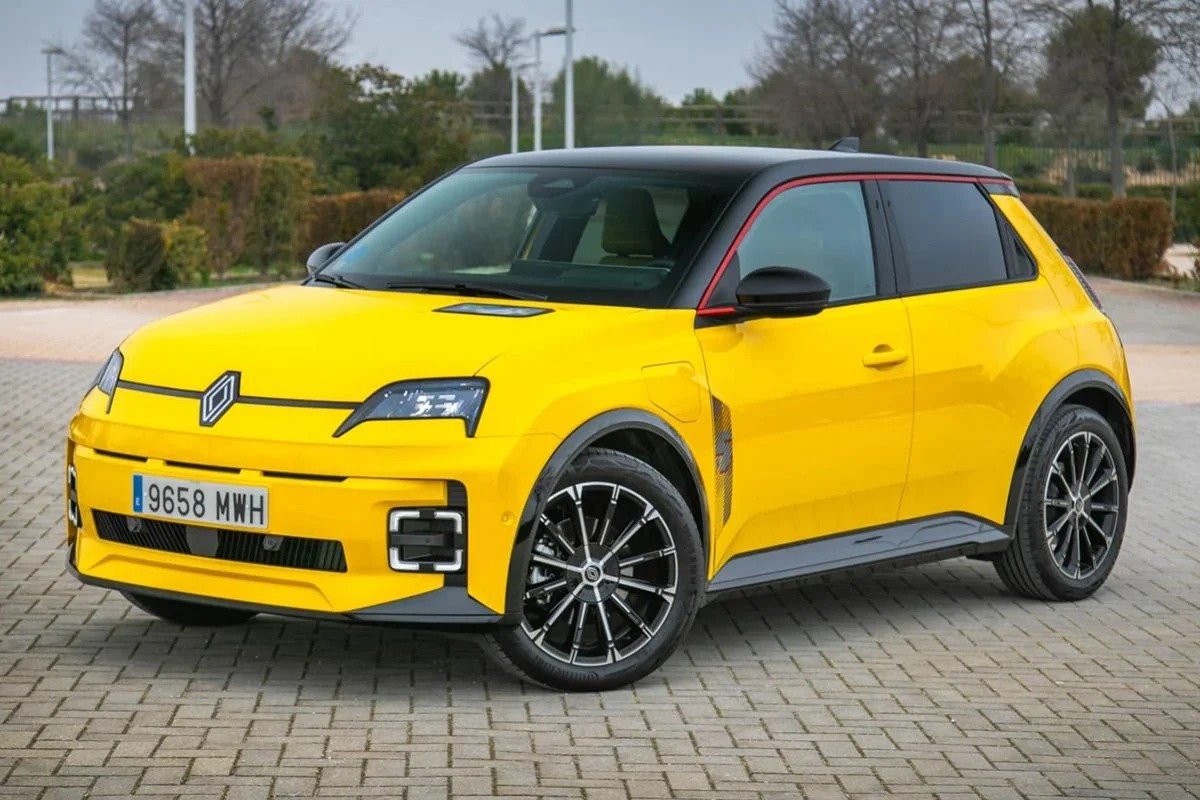
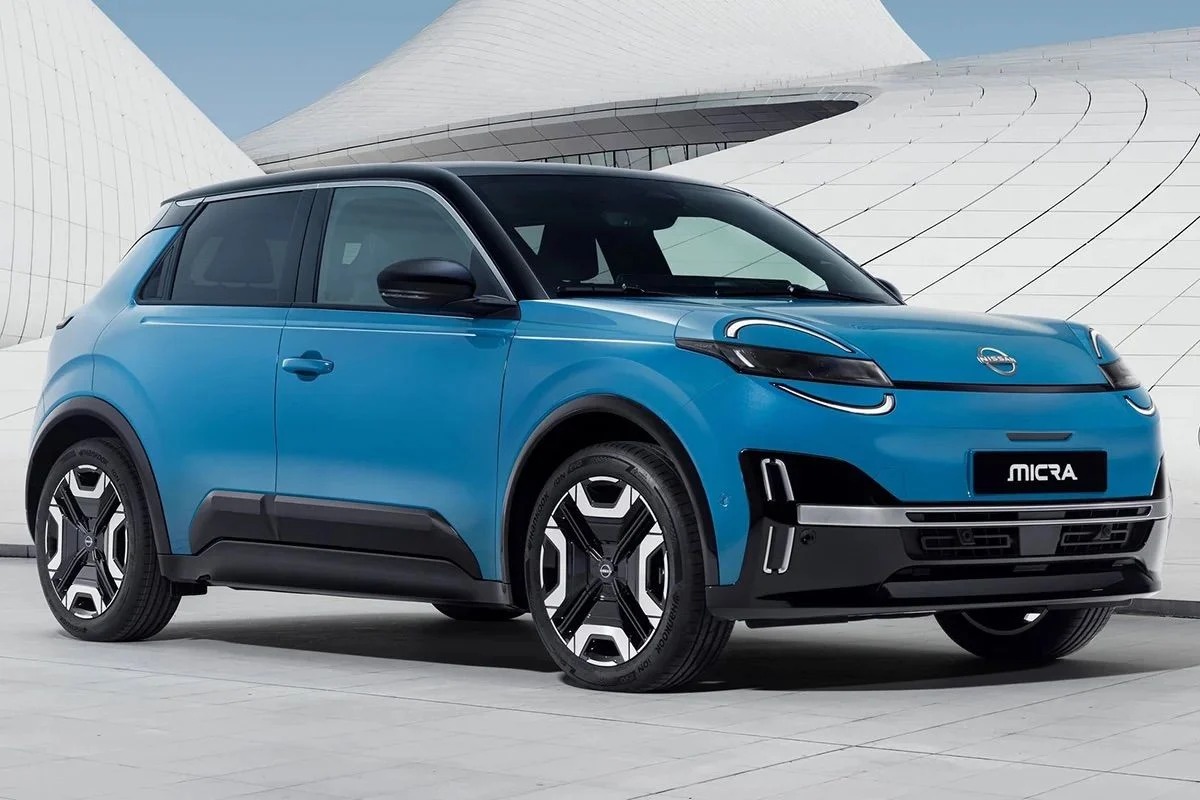
Renault’s CEO François Provost has set a firm condition for future car projects with Nissan, Ford, and Mitsubishi. He insists that vehicles developed together must have a distinctive design and identity for each brand, avoiding near-identical copies. This shift follows experience with current models like the Nissan Micra electric, which closely resembles the Renault 5.
Nissan Micra Electric Highlights Challenges in Differentiation
The Nissan Micra electric is built on the Renault 5’s platform and shares much of its design, especially inside the cabin. Produced at Renault’s Douai plant, it shows only limited visual differences from its French counterpart, mostly in the front and rear lights. Provost has acknowledged this lack of clear differentiation as a mistake. He points to the example of the Renault Twingo and the Dacia Spring, which share the same platform but look distinctly different. Such separation is now a goal for future collaborations.
Upcoming Projects Include a New Nissan Model and Ford Electric Cars
Renault is preparing to build a new Nissan model, reportedly based on the Twingo platform, that will be made in Douai. Though the new Nissan Pixo name and official details have not yet been announced, the project reflects Renault’s approach to maintain each brand’s own character despite shared technical roots.
Ford will also use Renault’s Ampere electric platform for two new electric cars planned for the European market, with production expected to start in early 2028. While Renault handles technical development, Ford is responsible for design. Jim Farley, Ford’s CEO, has emphasized that these vehicles must feel like true Fords, not just rebadged Renaults. Provost pointed out that confidentiality limits his ability to preview the design, but the focus will be on clear brand identity.
Mitsubishi’s Use of Renault Platforms Follows Similar Rules
Mitsubishi is already selling electric models based on Renault’s architecture, such as the Eclipse Cross electric, which shares its platform with the Renault Scenic and is also made in Douai. Renault confirms that Mitsubishi uses a different Ampere platform variant to preserve the unique identity of its cars. This cooperation provides an existing model for how Renault supports partners while respecting brand image.
Balancing Brand Identity and Production Costs
Provost admits that stronger differentiation between shared models may increase costs. Renault has offered options like unique body panels to partners, but these raise manufacturing expenses. Going forward, he prefers fewer but longer-term partnerships where cars clearly reflect their own brand, rather than many small collaborations leading to near-clones.
Renault’s CEO is firm on this point, stating he will not approve any new agreements without enough visual and design distinctions. This rule applies to ongoing projects with Nissan, Ford, and Mitsubishi that use Renault’s platforms or factories.
More details on the Ford-Renault electric cars and other future collaborations are expected closer to their launch dates.
Source: motor.es