
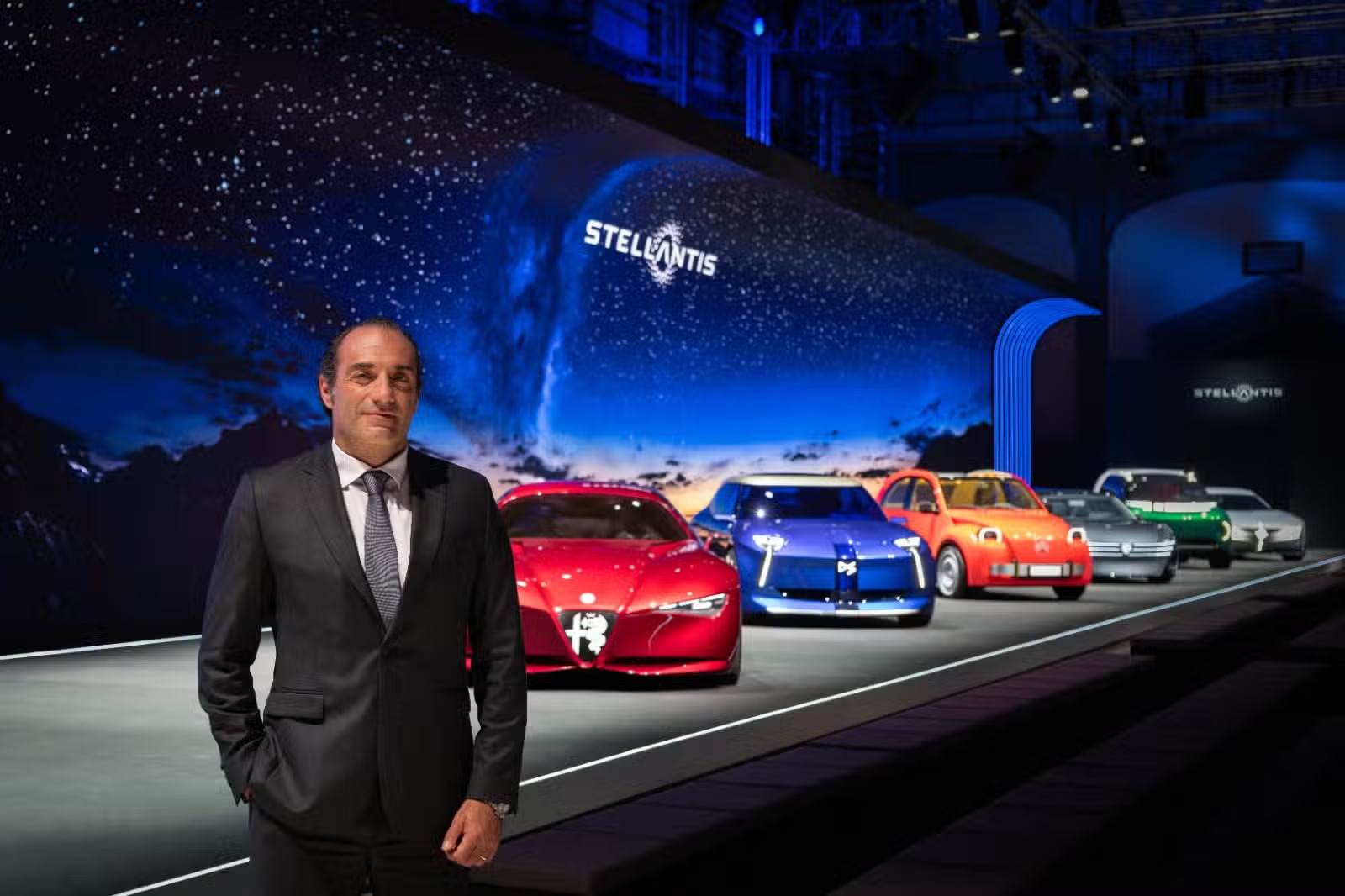
Stellantis CEO Antonio Filosa has openly addressed customer frustrations over the company’s troubled 1.2-liter PureTech engine and Takata airbag recalls. In an interview with Le Parisien, he promised that improving quality is now Stellantis’ top priority.
Focus on Fixing Past Problems and Raising Quality
Filosa acknowledged that the PureTech engine caused reliability concerns and that the Takata airbag recalls created lasting headaches for many owners. To restore trust, Stellantis has set up nearly 50 task forces dedicated to resolving these legacy issues. The company’s “FaSTLAne 2030” plan aims to bring Stellantis brands back into strong reliability standings across its markets by 2028.
Factory Utilization and Partnerships to Maintain French Plants
Stellantis is currently dealing with underused production lines in Europe, running at just 60% capacity in 2025. To improve efficiency, the firm wants to raise factory utilization to 80% by 2030. Instead of closing French factories, Stellantis plans to share its assembly lines with Chinese electric vehicle manufacturers such as Dongfeng and Leapmotor.
Though the company will reduce overall production capacity by 800,000 vehicles, it will retool existing plants to handle this new strategy. This approach aims to avoid upsetting unions and keep key sites like Mulhouse, Rennes, and Sochaux running despite the slow market and ongoing battery supply challenges.
An Affordable Electric Car as a New Hope
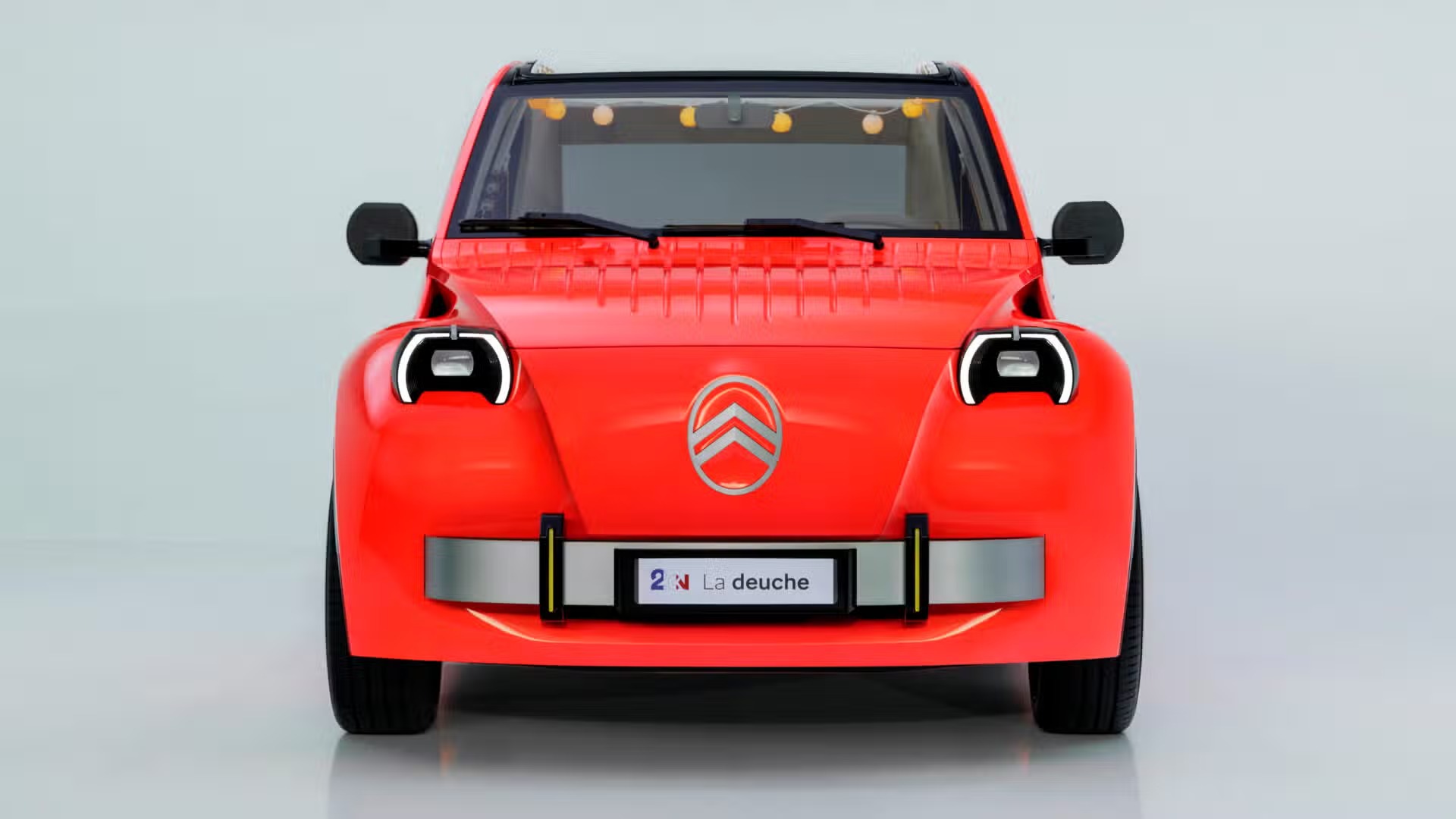
To rebuild its image and attract buyers, Filosa hinted at an upcoming Citroën electric car inspired by the classic 2CV. The vehicle is expected to be a city-focused model priced around €15,000 (about $16,000), though this figure is not yet final.
If Stellantis can deliver a reliable and affordable EV at this price, it could mark a turning point for the brand’s relationship with customers who remember earlier quality issues.
Source: clubalfa.it