
Hyundai has revealed the fifth-generation Tucson for the European market, marking a clear break from its predecessor. The new model arrives with bold styling, a fully gasoline and hybrid lineup, and a tech-rich interior. Notably, Hyundai has decided to discontinue diesel options for this generation.
Fresh Design Highlights a More Muscular SUV
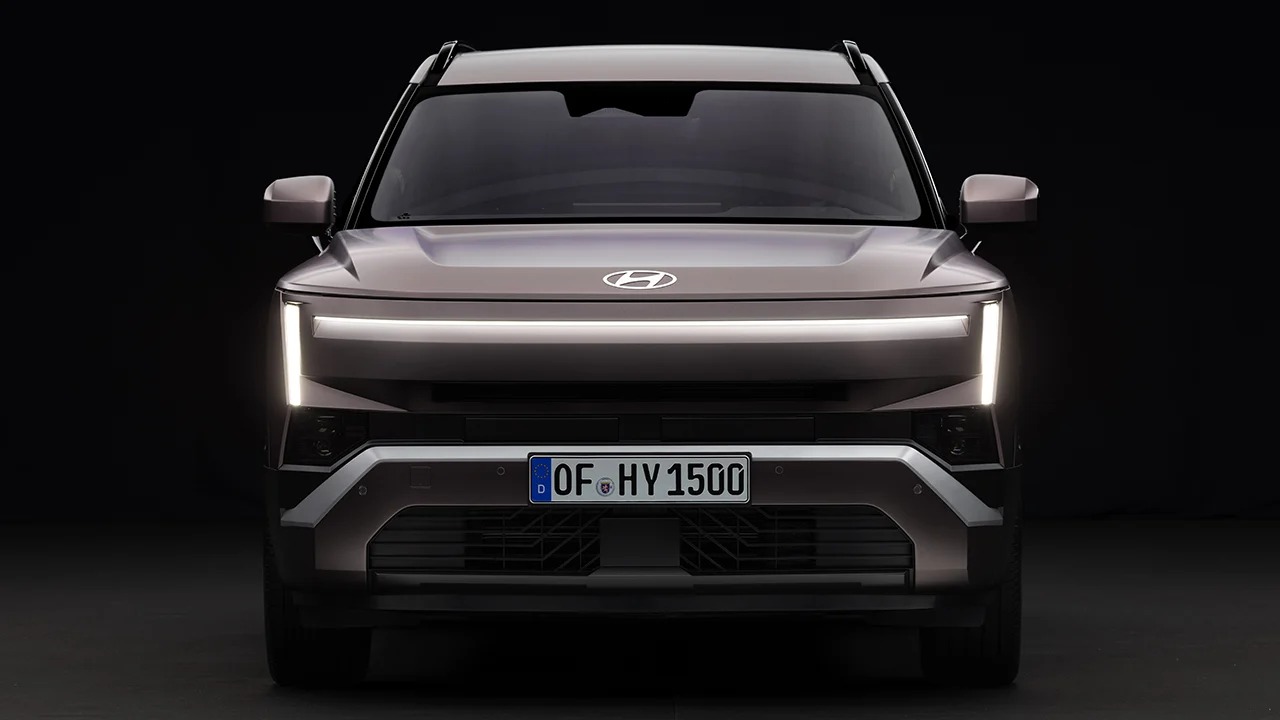
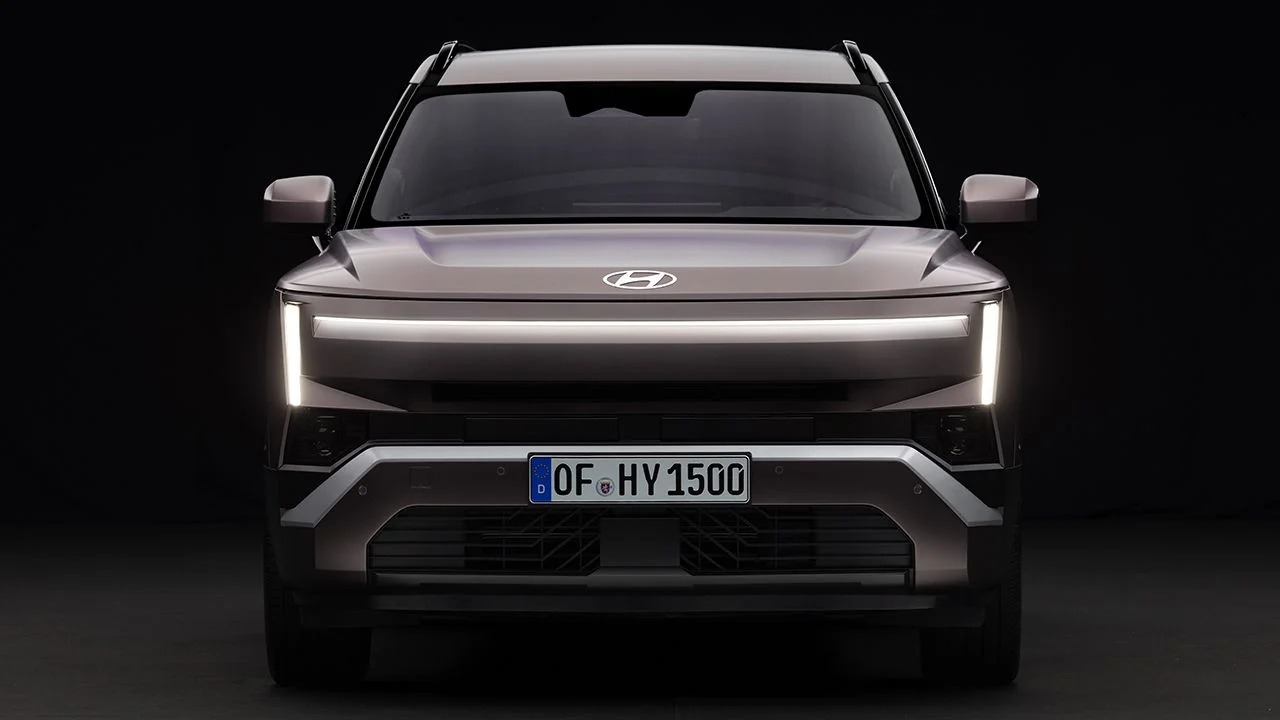
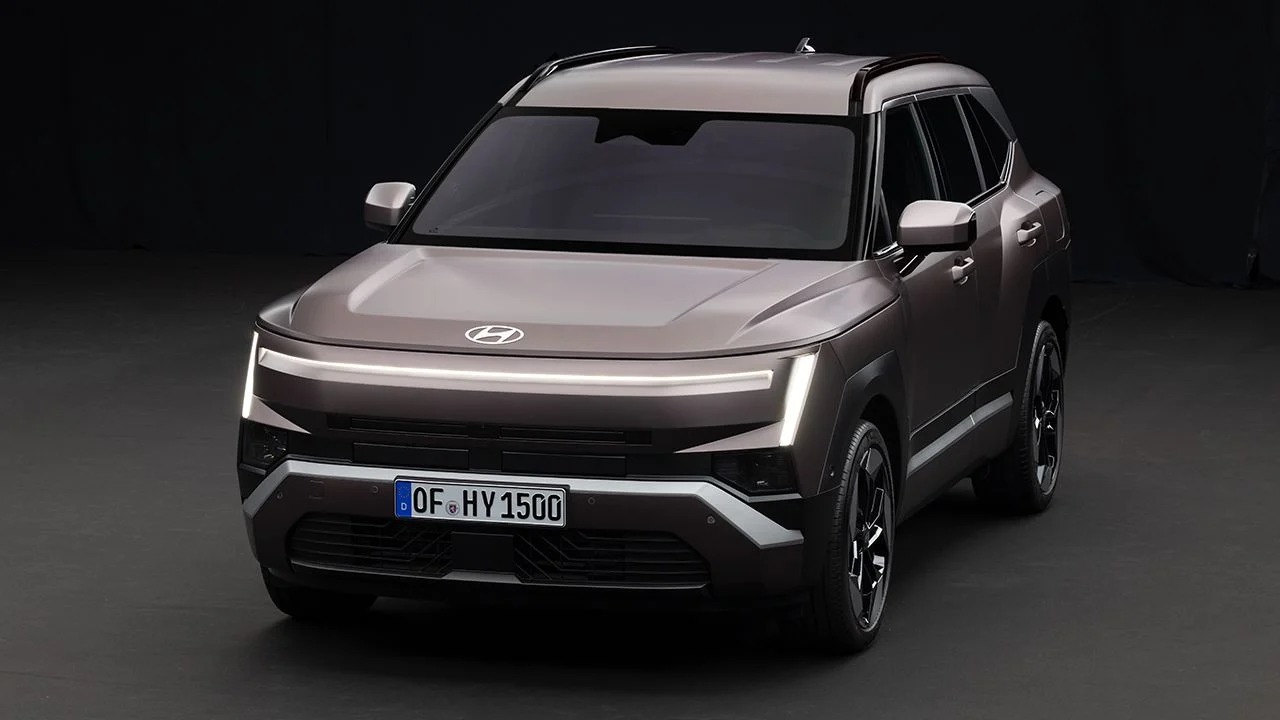
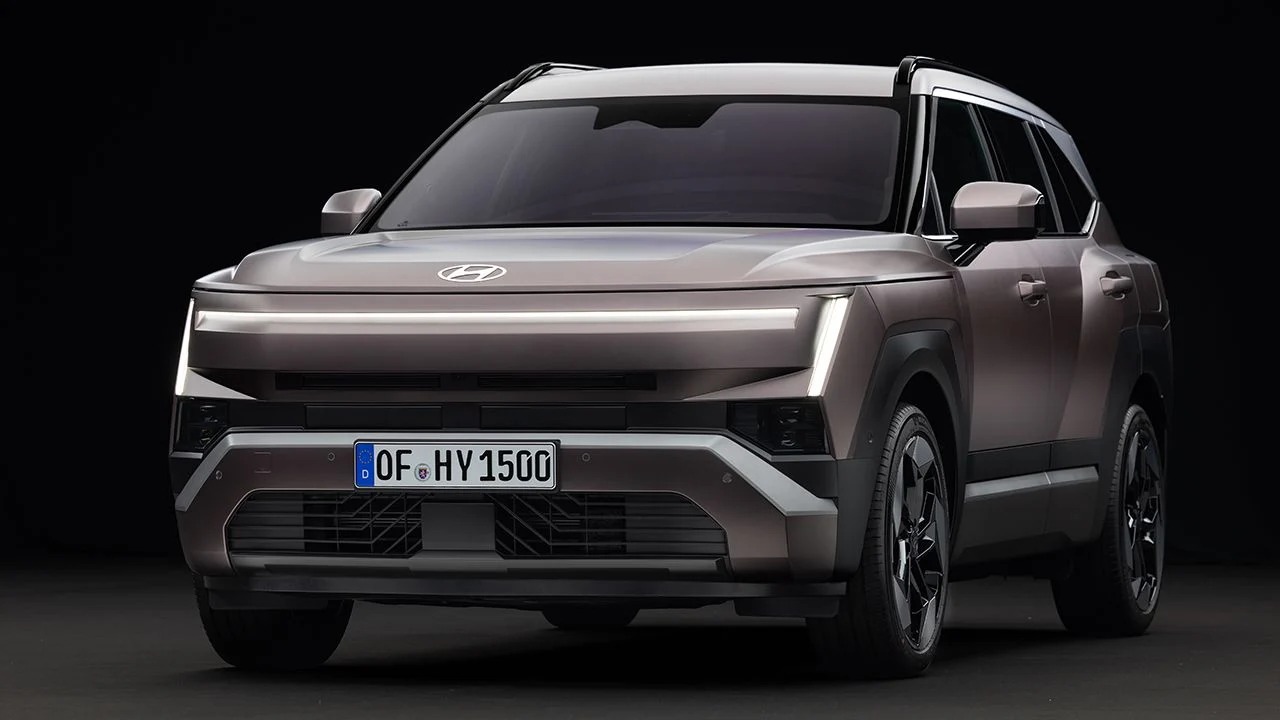
Right away, the updated Tucson stands out with a more rugged and muscular look based on Hyundai’s new “Art of Steel” design language. It has grown in size, measuring 4,560 mm long, 1,900 mm wide, and 1,670 mm tall, which translates into a more spacious cabin. The wheelbase is 2,720 mm, helping improve passenger comfort.
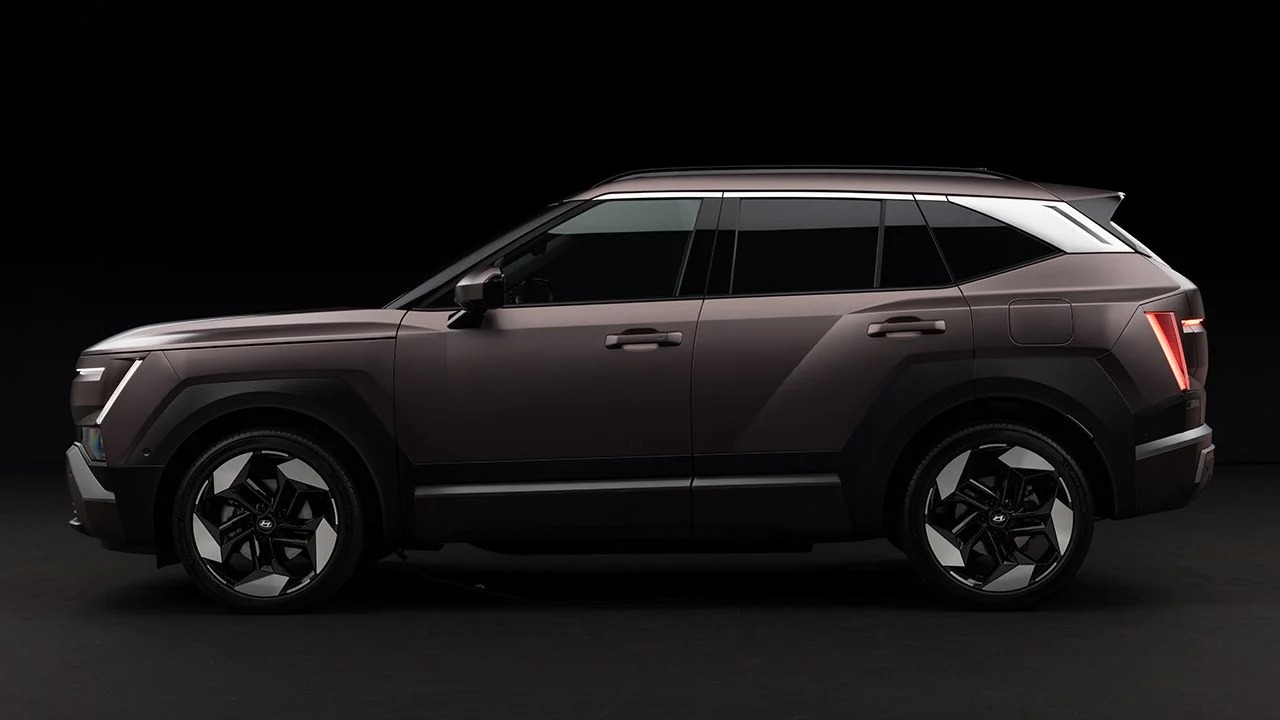
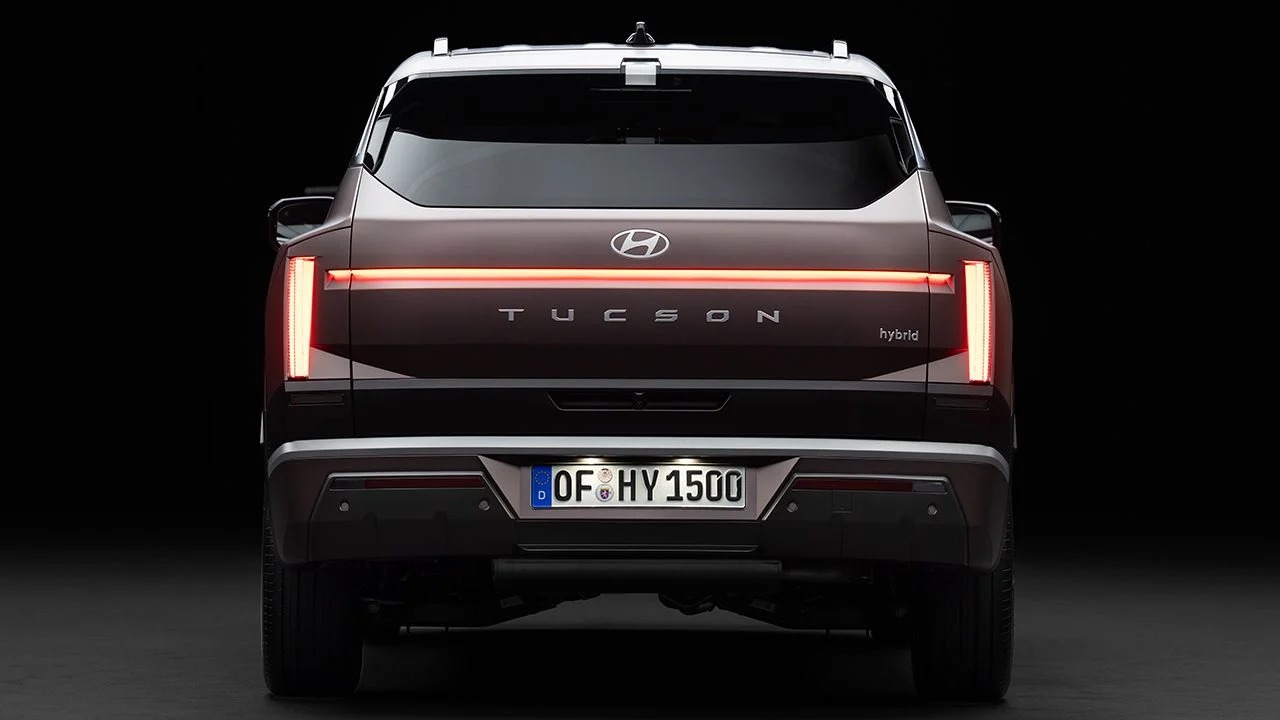
The front features distinctive LED headlights named “H-Edge” that use a combination of indirect light strips and vertical side beams. From the side, pronounced wheel arches and a higher beltline emphasize its SUV character. At the rear, a continuous horizontal LED light strip visually links with vertically oriented tail lights, reinforcing the bold new look.
Wheel choices range from 17 to 20 inches, and new paint colors like Moonlake Blue, Rich Walnut, and Ignite Red are available specifically for Europe.
Interior and Tech Upgrades Focus on Connectivity and Comfort
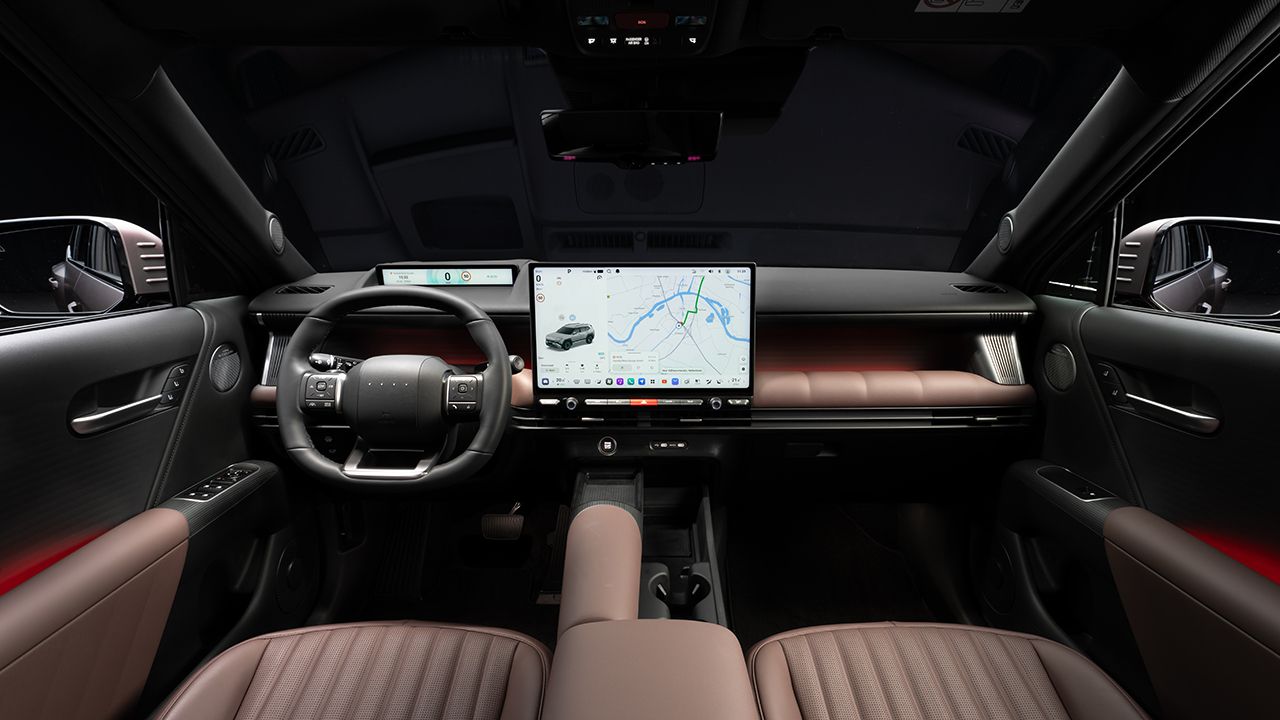
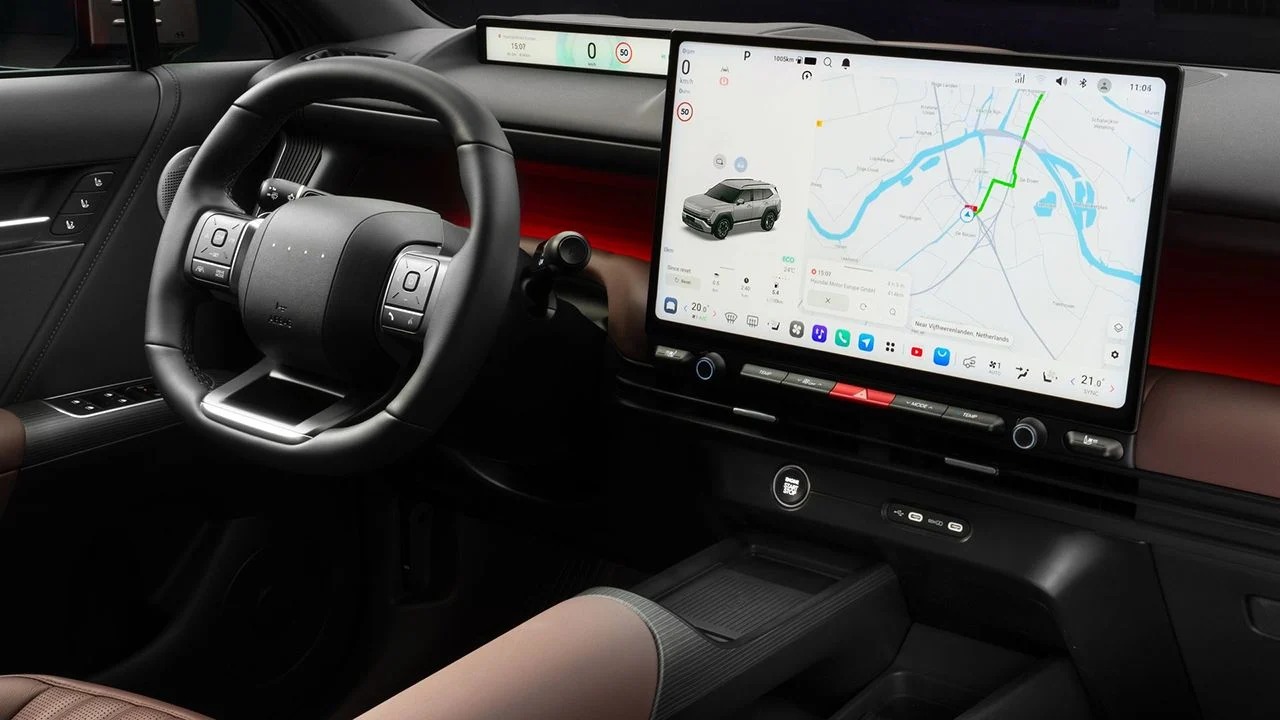
Inside, the Tucson shows a complete redesign featuring a more digital and connected environment. A 9.9-inch digital instrument cluster pairs with a large touchscreen that varies in size between 12.9 and 17 inches depending on the trim. A Head-Up Display can also be fitted.
The system runs on Android Automotive OS, offering improved voice control powered by artificial intelligence and online services. Additionally, it supports over-the-air (OTA) updates, opening the door to future enhancements without needing a visit to the dealer.
The new steering wheel integrates a shift selector, freeing up space on the center console and making way for a redesigned armrest. The Tucson features a shift-by-wire system replacing conventional gear levers. Higher trims offer seats with electric adjustments, heating, and massage functions.
On safety, Hyundai has upgraded the body structure and included its latest driver-assistance technologies under the SmartSense name. These include adaptive cruise control based on navigation, collision avoidance, remote parking assist, memory-based reverse assist, a special ground-view monitor for all-wheel-drive models, and highway driving assist.
Powertrain Lineup Drops Diesel, Embraces Gas and Hybrid Options
The most significant change under the hood is the removal of diesel engines from the range. The new Tucson offers gasoline and hybrid powertrains, all starting with a 1.6-litre T-GDI turbocharged petrol engine that produces 150 hp. This engine can come with or without a 48V mild-hybrid system and is front-wheel drive only.
Above this is a self-charging hybrid (HEV) variant that combines the same 1.6-litre petrol engine with an electric motor to deliver 245 hp. This model is available with front- or all-wheel drive.
The top performance model is a plug-in hybrid (PHEV) that again uses the 1.6-litre petrol engine plus an electric motor and boasts a peak output of 292 hp. It is equipped with a 17.1 kWh battery and offers an all-electric range of up to 81 kilometres (WLTP).
Mild and self-charging hybrids carry the ECO label from Spanish authorities, while the plug-in variant is labeled with zero-emission status, granting it access to benefits in restricted zones.
European Launch Timeline and Production
The Tucson is expected to arrive in European dealerships in the first half of 2027. The official order books will likely open before the end of 2026, following a formal reveal of a sportier design version at the Paris Motor Show in autumn 2026.
Hyundai will build the European Tucson locally at its plant in the Czech Republic. Prices have not yet been announced, but the current gasoline model starts around €34,400 in Spain, so a price increase is expected for the new generation.
Source: Hyundai
Source: motor.es