
Nissan has issued a warning to the auto industry about the rising challenge posed by Chinese automakers. According to Nissan Americas Chairman Christian Meunier, Chinese brands could establish vehicle production in Mexico within the next two to three years. This move could bring their price advantage much closer to the United States market, intensifying competition for established manufacturers.
Potential Shift in Chinese Automakers’ Strategy
Currently, Chinese automakers mainly export cars to foreign markets. However, Nissan expects this to change soon as Chinese companies localize production in North America, starting with Mexico. This would allow them to cut costs further by avoiding tariffs on imported vehicles and benefit from Mexico’s established manufacturing infrastructure and proximity to the U.S.
Meunier highlighted that Chinese carmakers’ move into Mexican production would create a tougher market environment. “It will happen probably in the next two to three years, so we need to be ready,” he said, emphasizing the need for Nissan to slash costs and improve competitiveness before this new phase unfolds.
Nissan’s Counterstrategy Involves Using China-Made Models
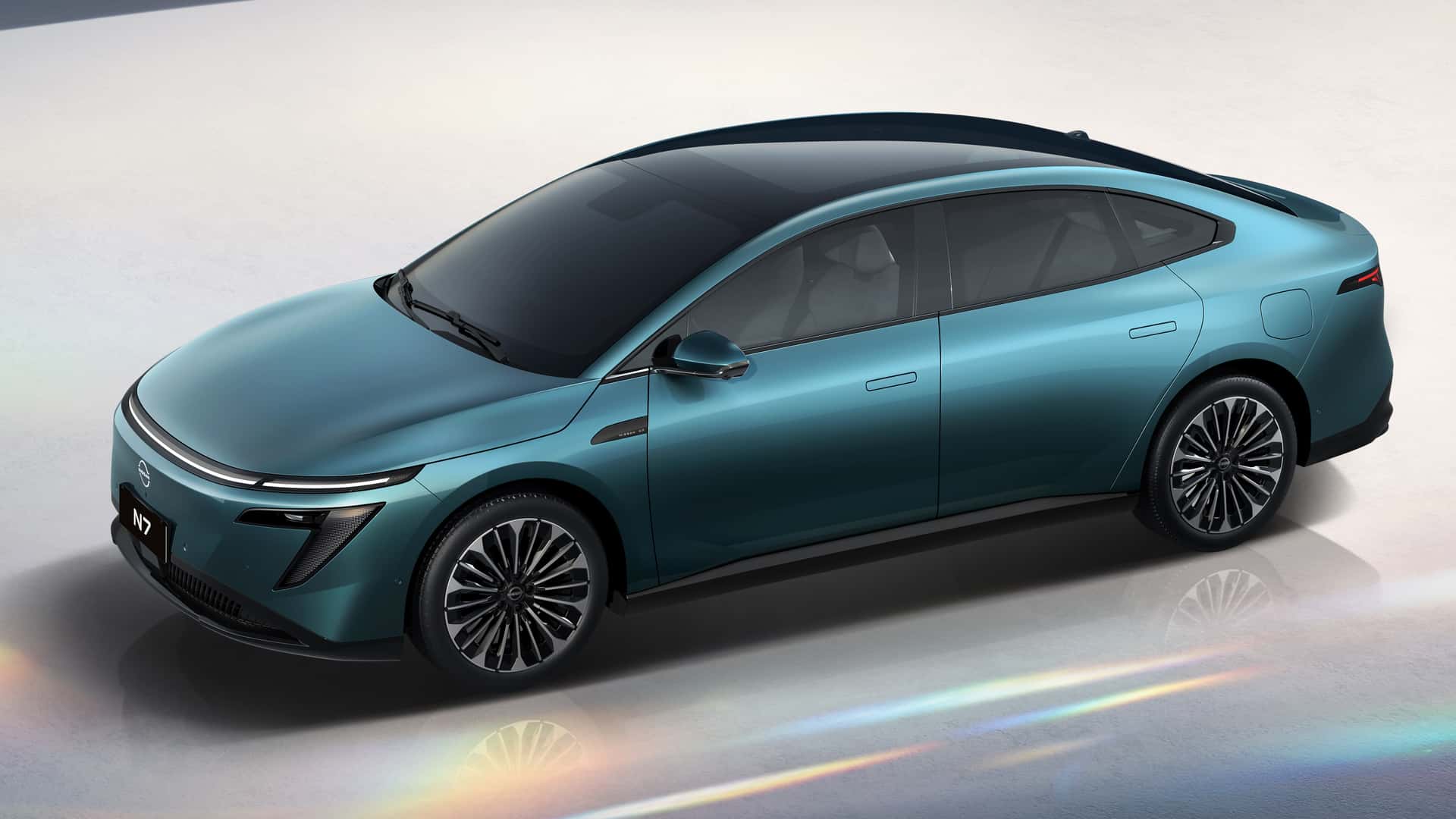
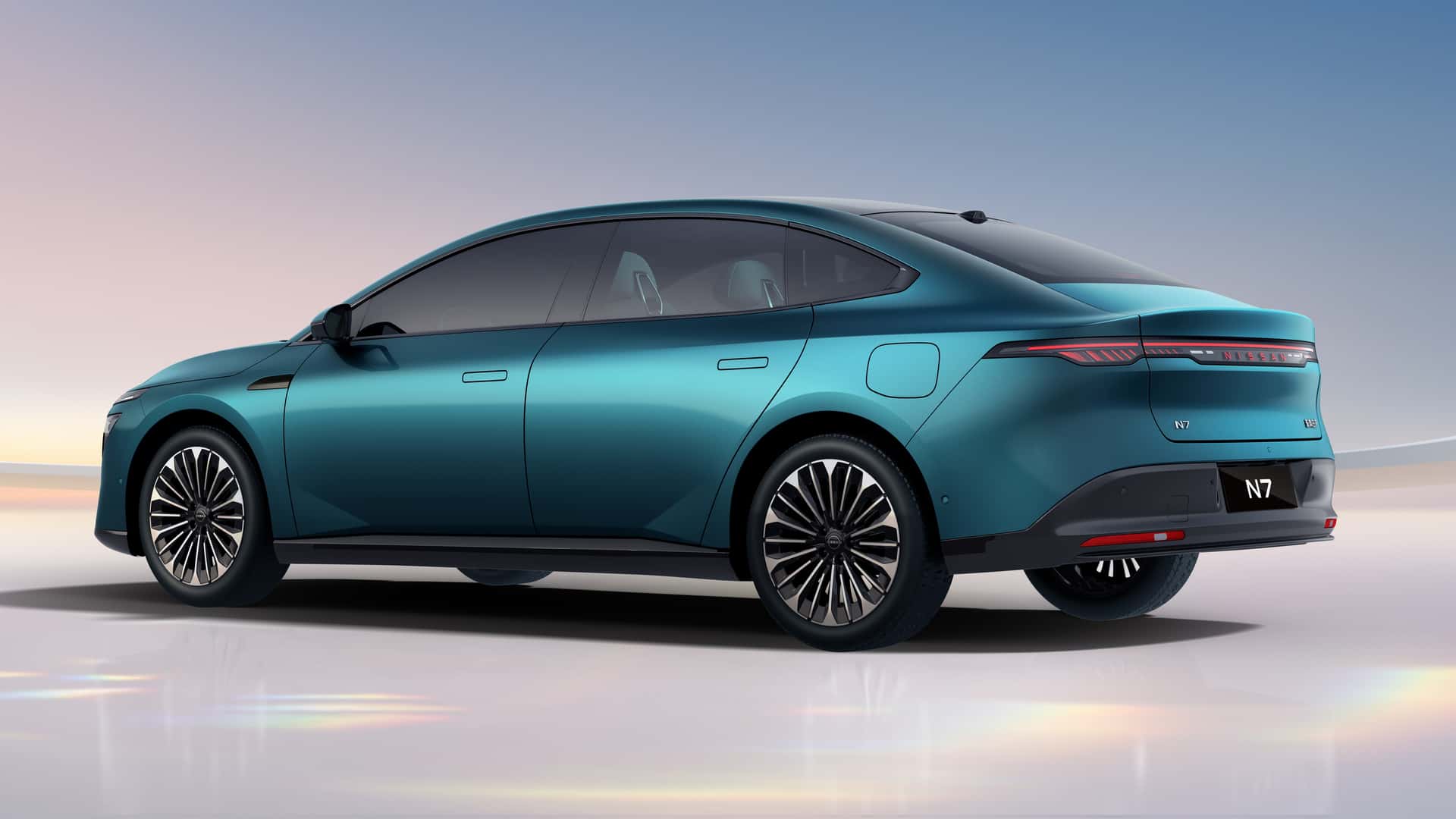
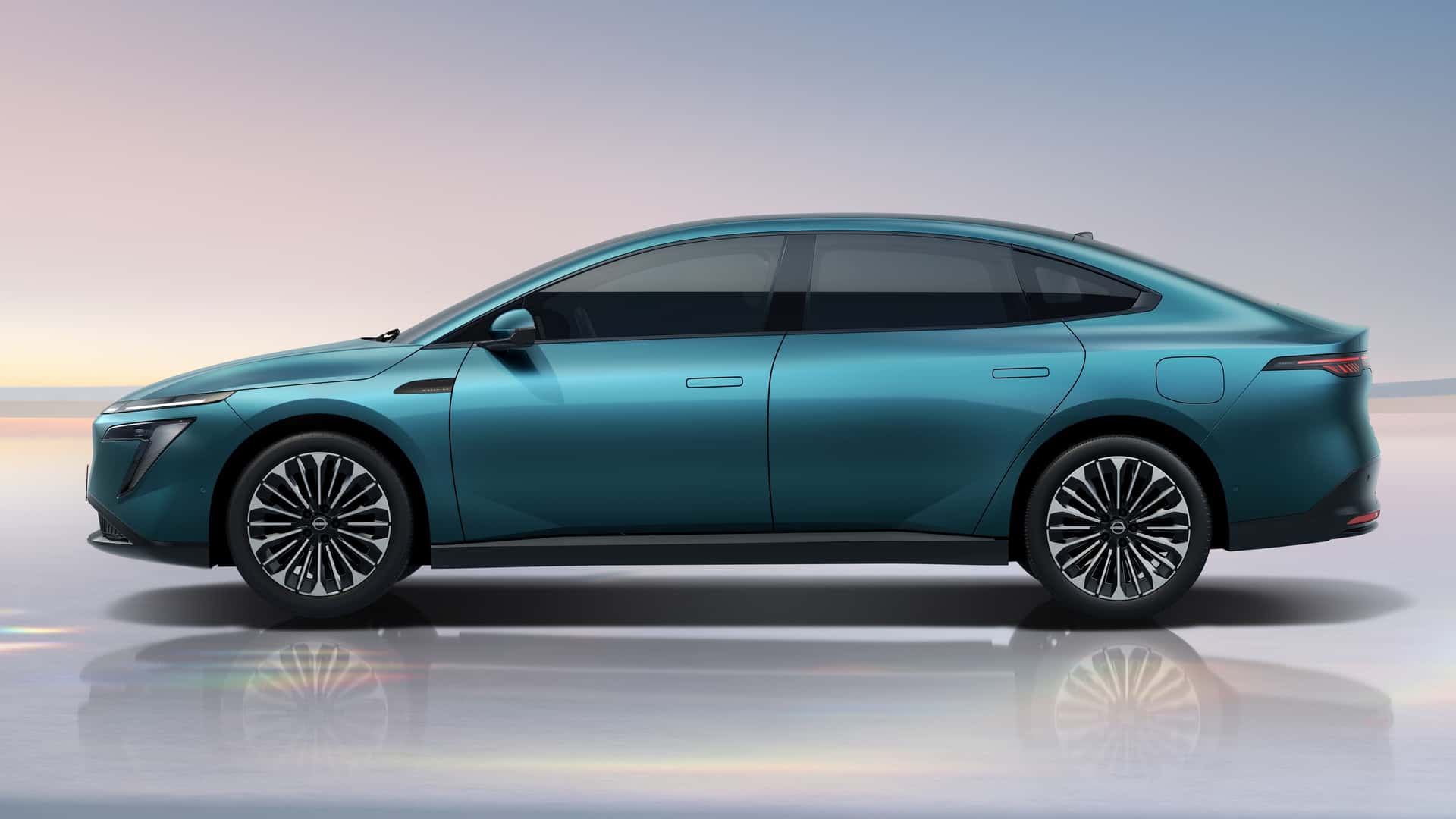
To respond, Nissan plans to leverage its own operations in China. Instead of the traditional model of developing cars in Japan and shipping globally, Nissan is expanding exports of China-designed and built vehicles to Latin America. For example, the Frontier Pro plug-in hybrid pickup and the N7 electric sedan—developed through Nissan’s partnership with Dongfeng—are making their way to markets like Mexico.
This approach reflects a notable shift for Nissan, aiming to compete directly using cost-effective products from its Chinese facilities. The company hopes to boost output at its Chinese plants to around 300,000 vehicles annually as part of this strategy and has also considered exporting Chinese-built electric vehicles to Canada, where some government incentives accommodate Chinese imports.
U.S. Market Entry Remains Limited but Possible
Despite these developments, Chinese brands selling directly in the United States still face significant regulatory hurdles. U.S. lawmakers have pushed legislation to restrict or block Chinese vehicle sales entirely.
Meunier believes Chinese automakers could enter the U.S. market in about five years, but their potential production presence in Mexico would give them a strong foothold well before that happens. Chinese-made cars from international brands are already sold in the U.S., though those cars are mostly foreign designs assembled in China.
China’s Growing Influence Challenges Established Automakers
The automotive industry once viewed Japanese and Korean automakers as the main challengers on their home turf. Today, China poses a similar threat—with a booming electric vehicle industry, aggressive pricing, and fast development cycles.
If Chinese brands can produce affordable vehicles near the U.S. border, the cost advantage from tariffs on imports will steadily diminish. Nissan’s focus on cutting costs and localizing production shows how seriously it takes this emerging competition.
In Europe, Chinese brands are already making significant inroads. BYD, for example, is close to outselling Ford, and Chinese automakers hold over 10 percent of the market there as of August 2023. Nissan’s warning signals that North America may soon experience a comparable shift in the auto market landscape.
Source: motor1.com