
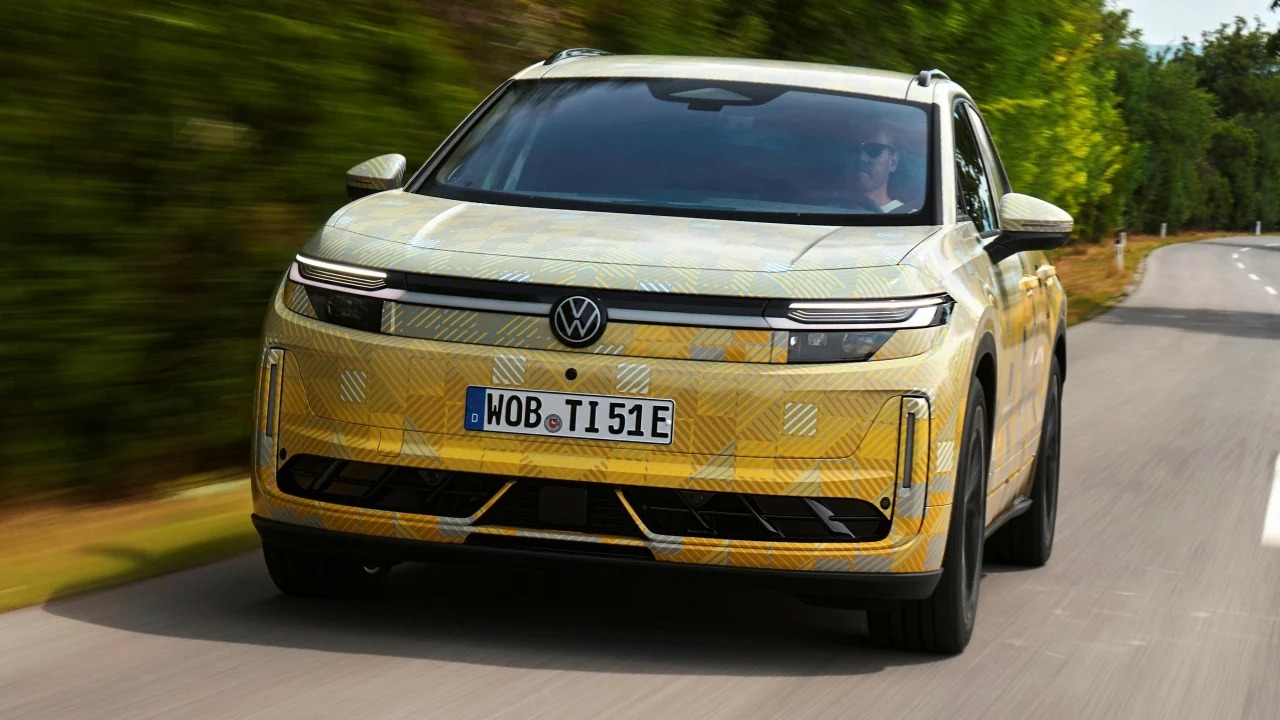
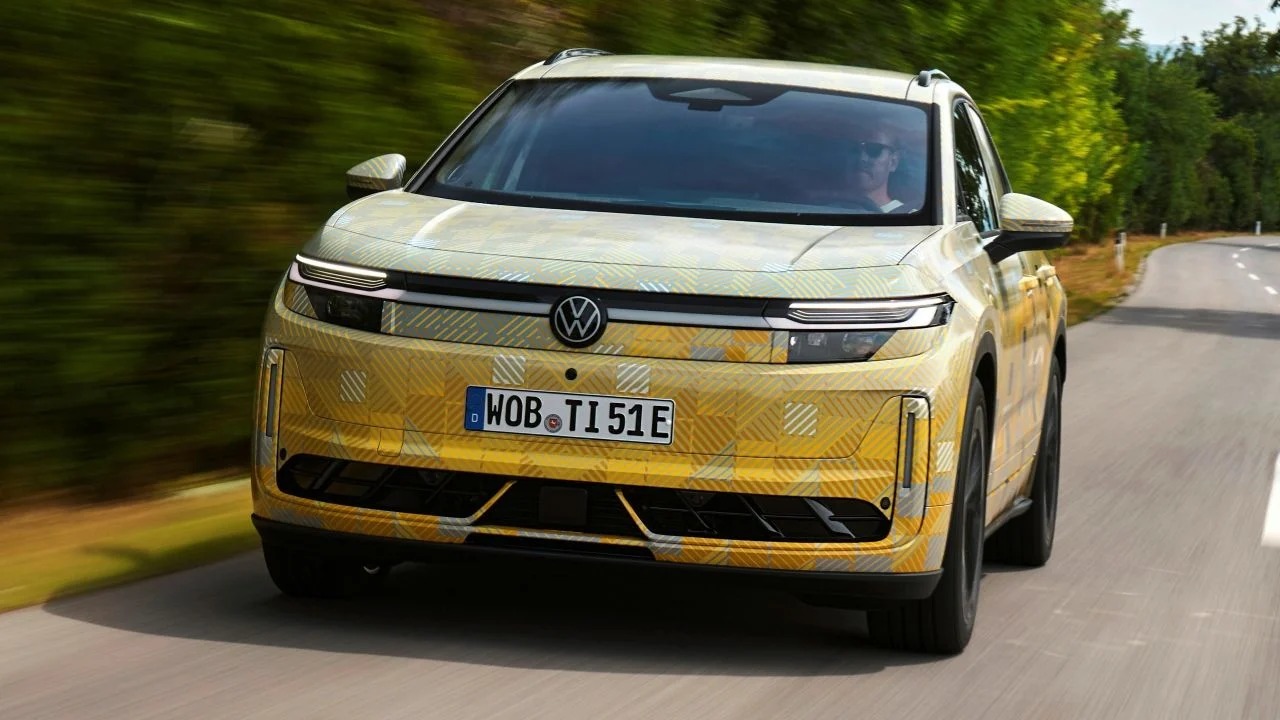
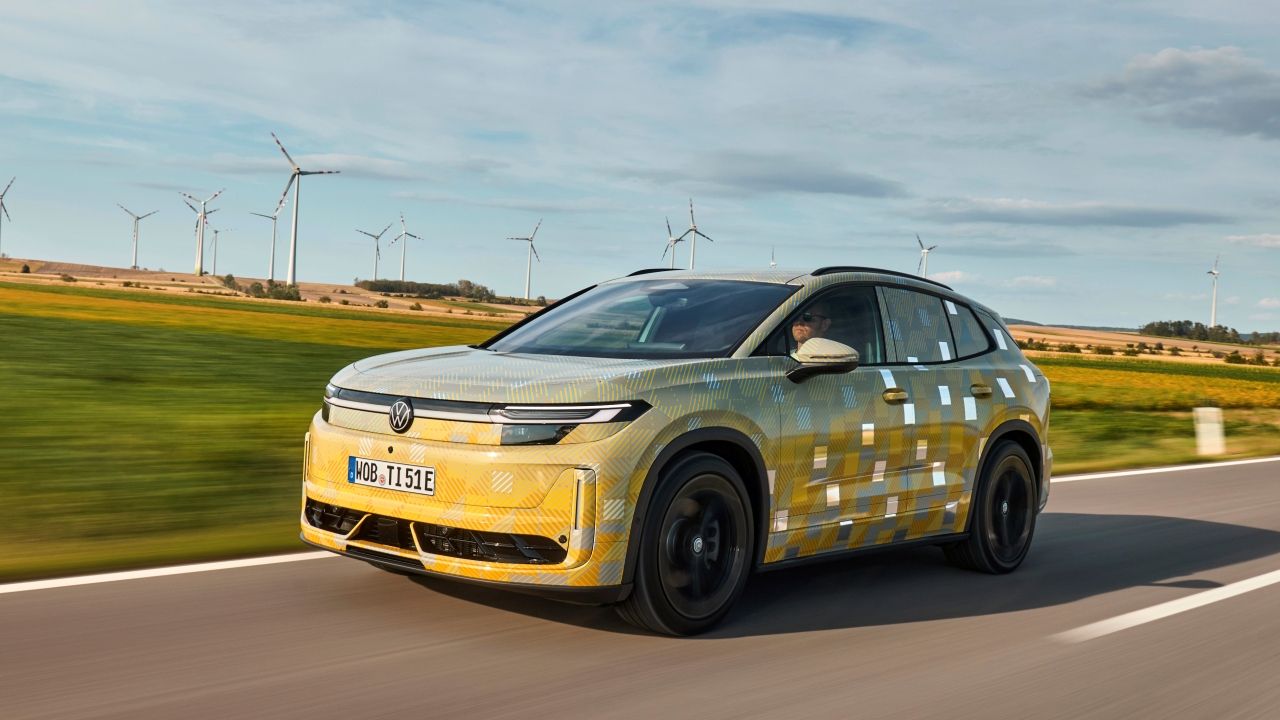
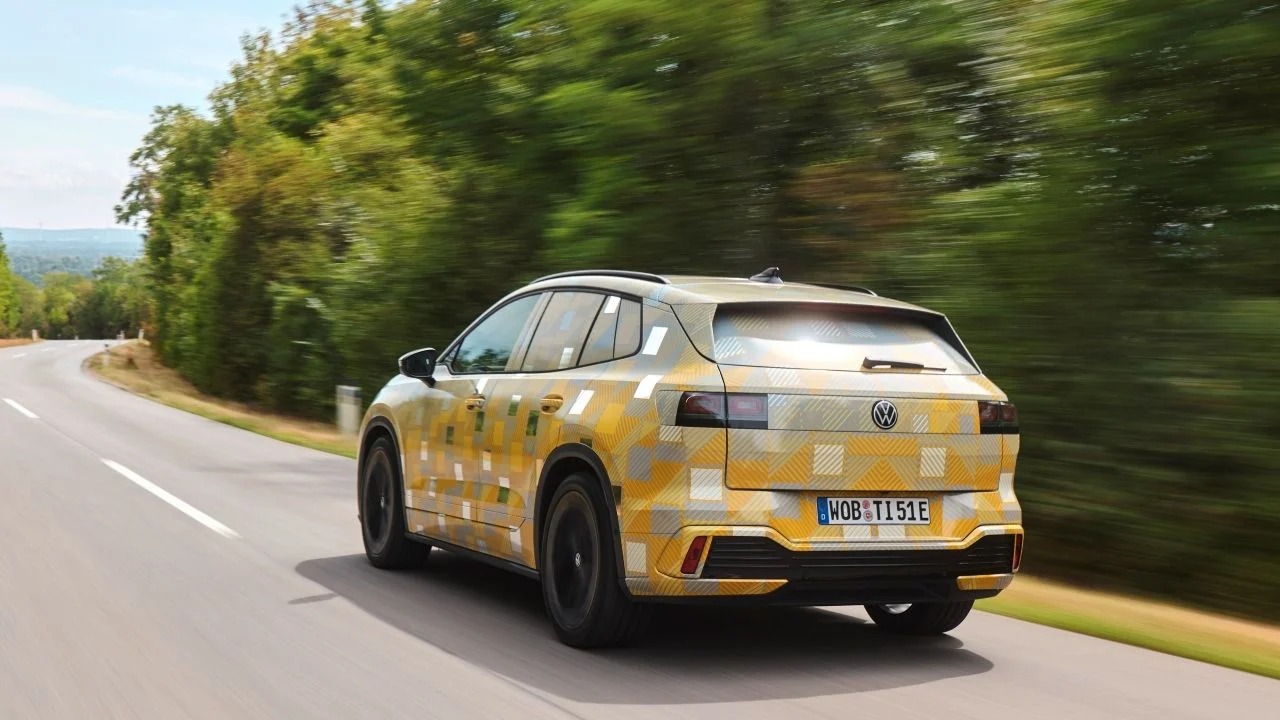
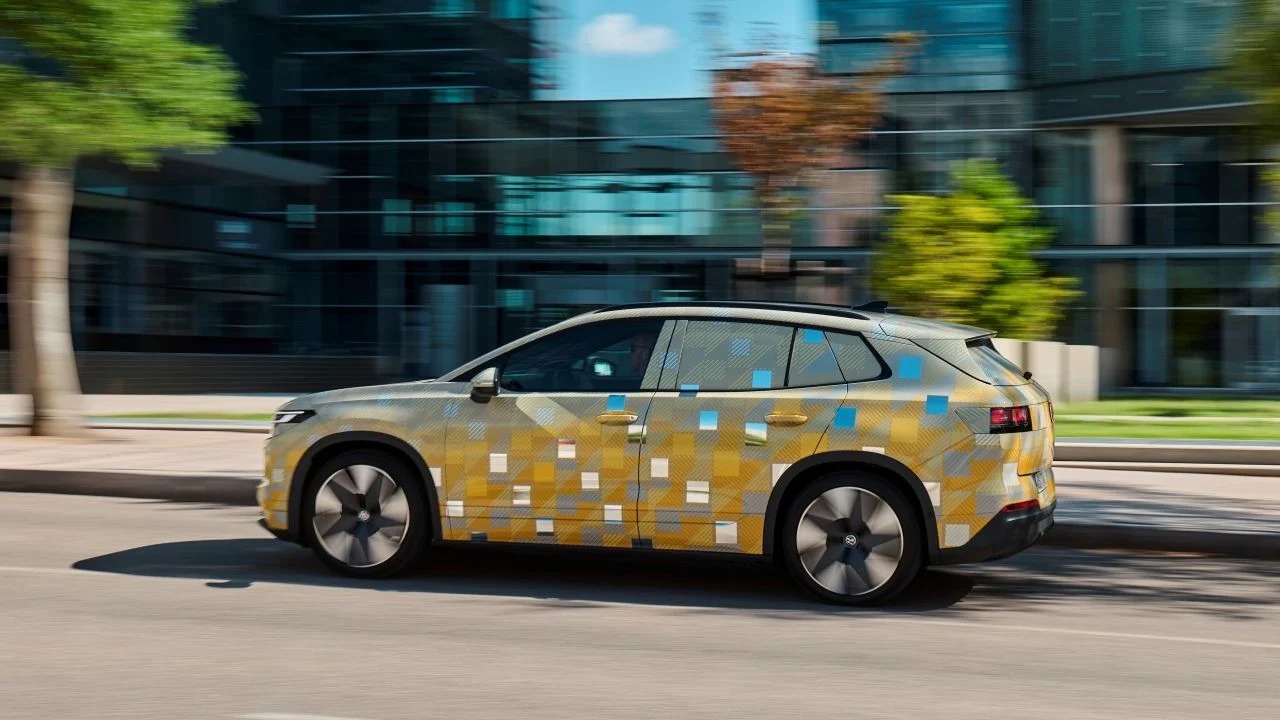
Volkswagen has confirmed the launch of a new electric SUV named the ID. Tiguan, set to arrive in early 2027. This model will replace the ID.4 and ID.5, marking a shift in the brand’s electric vehicle strategy by reviving one of its most popular nameplates.
ID. Tiguan Replaces ID.4 and ID.5
The move to revive the Tiguan name for a fully electric model signals Volkswagen’s effort to connect better with customers emotionally. The original ID naming system, based mainly on numbers (ID.3, ID.4, ID.5), has struggled to build the same strong identity as Volkswagen’s traditional model names.
Starting this October, Volkswagen will officially preview this electric Tiguan, which essentially represents the electric counterpart to the current Tiguan SUV in size and style.
Building on the MEB+ Platform with Improved Technology
The ID. Tiguan will be based on the updated MEB+ architecture, an evolution of Volkswagen’s dedicated electric platform. This will bring notable improvements such as higher battery energy density and faster DC charging speeds.
The company aims to deliver a roomier and more efficient electric SUV without pushing production costs too high. This is important as Chinese electric SUV makers intensify competition in the European C-segment.
Volkswagen expects the ID. Tiguan to offer up to about 700 kilometres of range under the WLTP standard. Powertrain options will include single motor rear-wheel-drive and dual motor all-wheel-drive versions.
Production Shifts and Future Plans
Production of the ID. Tiguan will move from Volkswagen’s Zwickau plant to Emden. Zwickau currently builds the Audi Q4 e-tron, CUPRA Born, and some ID.3s. The Emden plant’s role has grown, although its long-term future is uncertain amid broader company restructuring.
The launch of the ID. Tiguan forms part of Volkswagen’s effort to stay ahead in the fast-growing electric vehicle market, where it has already surpassed Tesla as the top EV seller in Europe in 2025.
Legacy Tiguan Continues Alongside the New ID Model
Volkswagen will keep selling the existing Tiguan with combustion engines and plug-in hybrids alongside the new fully electric ID. Tiguan. The traditional Tiguan remains a strong seller in Europe, with over 8.3 million units built globally since 2007 and more than a million sold last year alone across several powertrains.
The introduction of the ID. Tiguan will retire Volkswagen’s ID.4 and ID.5 models. The ID.5 fastback variant is already confirmed to be discontinued, reflecting Volkswagen’s push to streamline its electric lineup amid company-wide cost controls and restructuring.
Improved Interior Quality and User Controls
Recent updates to Volkswagen’s ID models have focused on fixing earlier windshield issues with touch controls by replacing them with physical buttons, which users found more reliable. This change is expected to continue with the ID. Tiguan to improve user experience.
Overall, the ID. Tiguan represents a fresh approach for Volkswagen’s electric SUVs, combining a familiar and trusted name with modern electric technology and a clearer brand identity.
More details about the ID. Tiguan, including specs and pricing, should emerge closer to its international premiere this October.
Source: motor.es