
As Tesla prepares to unveil the next Roadster on October 1, a recently published patent offers a glimpse of its possible aerodynamic features. The filing details a two-piece active rear wing designed to balance low drag and high downforce while including crash-safety functions.
Flush-Mounted Two-Piece Wing Design
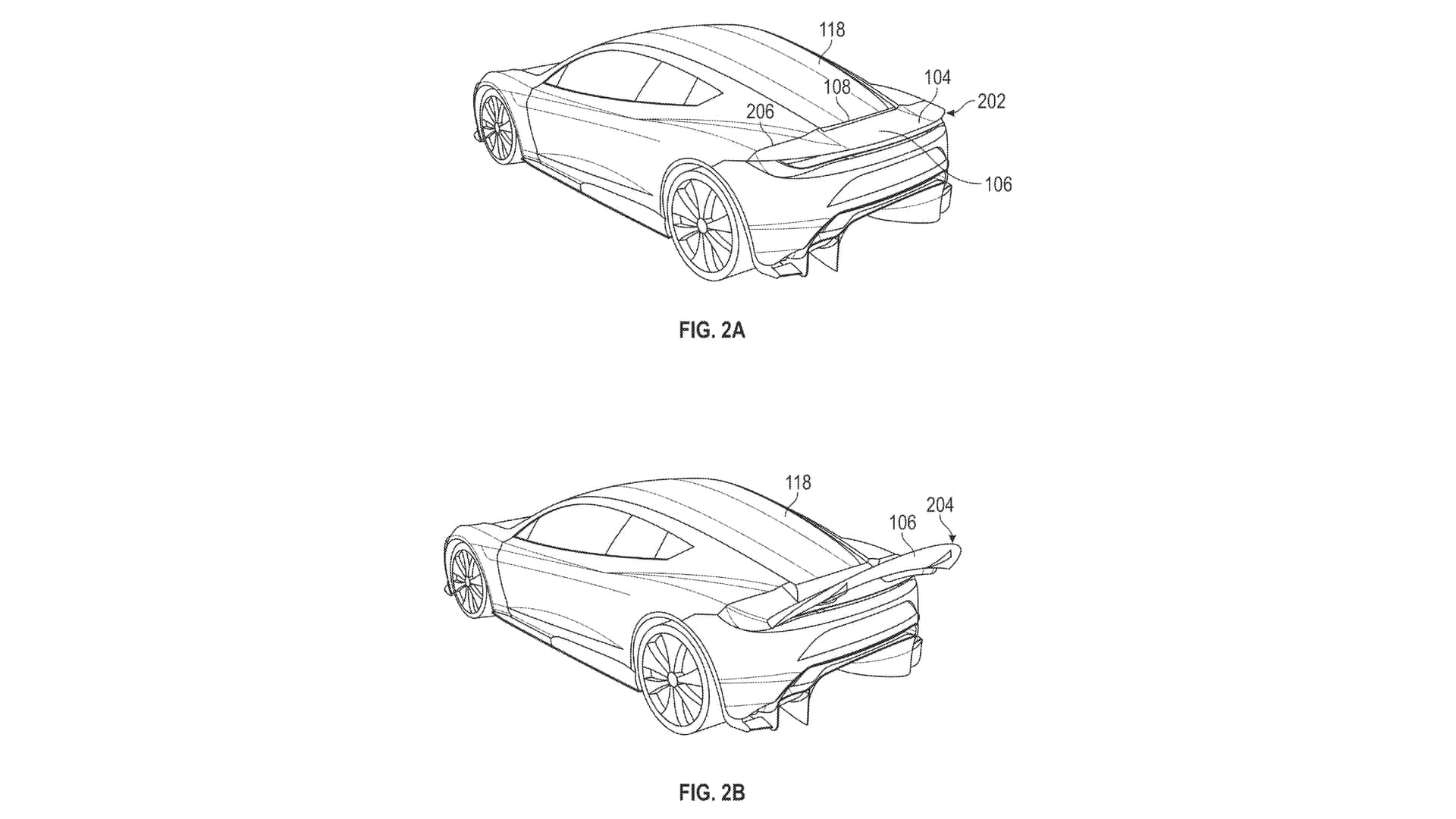
The patent describes a rear wing made of a main element and a smaller front slat, separated by a narrow gap of 3 to 15 millimeters. This gap allows air to flow between the two parts when the wing is deployed, helping shape its aerodynamic effect. When not in use, the whole wing folds flush with the car’s body.
Tesla’s design emphasizes rapid movement, with the wing shifting from fully stowed to fully deployed in under three seconds. Once deployed, it can adjust its angle within about a quarter of a second.
Rather than relying solely on driver control, the wing’s movement is set to respond automatically. It uses inputs like speed, steering angle, braking, GPS location, and autonomous driving sensors to decide when and how far to deploy. For example, it can switch to a track-focused mode based on location data.
From Zero Drag to Over 1,500 Pounds of Downforce
A key feature of this active wing is its range of aerodynamic settings. One mode mimics a Formula 1 drag reduction system (DRS), offering zero downforce to reduce drag on straights. The opposite setting delivers up to 700 kilograms (1,543 pounds) of downforce above 100 km/h (62 mph), boosting cornering grip.
Deploying the wing to produce high downforce adds a significant amount of drag — about 350 drag counts, according to the patent. Returning the wing to its low-drag position cuts down drag by 250 counts compared to the fully deployed but inactive state. This tradeoff suggests Tesla aims to balance top speed and handling effectively.
Safety and Impact Protection
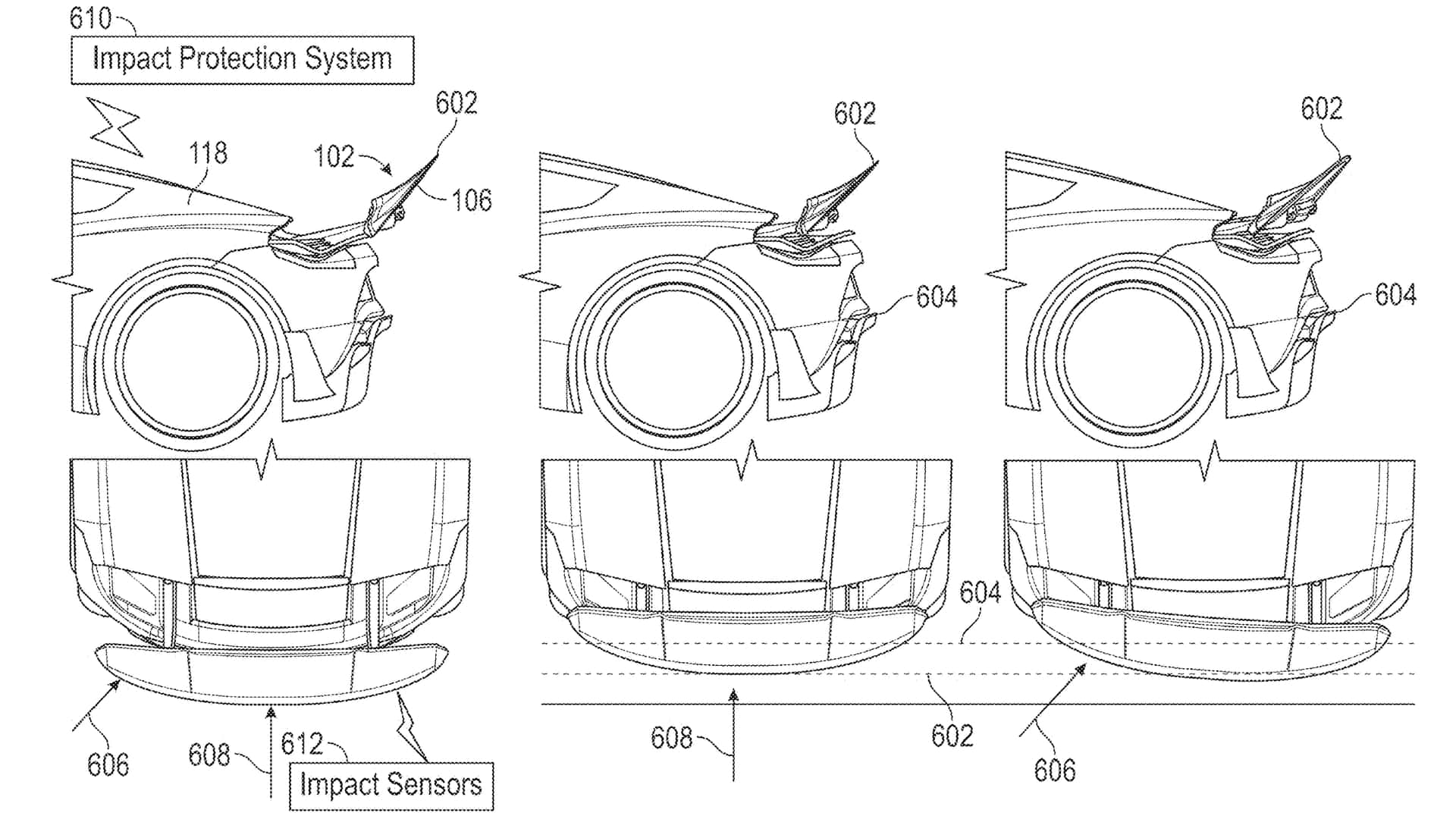
Beyond aerodynamics, the wing includes a safety feature to retract during crashes. Sensors detecting a central or corner impact trigger the wing to move back until its trailing edge lines up with the car’s rear. This mechanical retraction helps prevent damage and maintain crash safety.
What This Means for the New Roadster
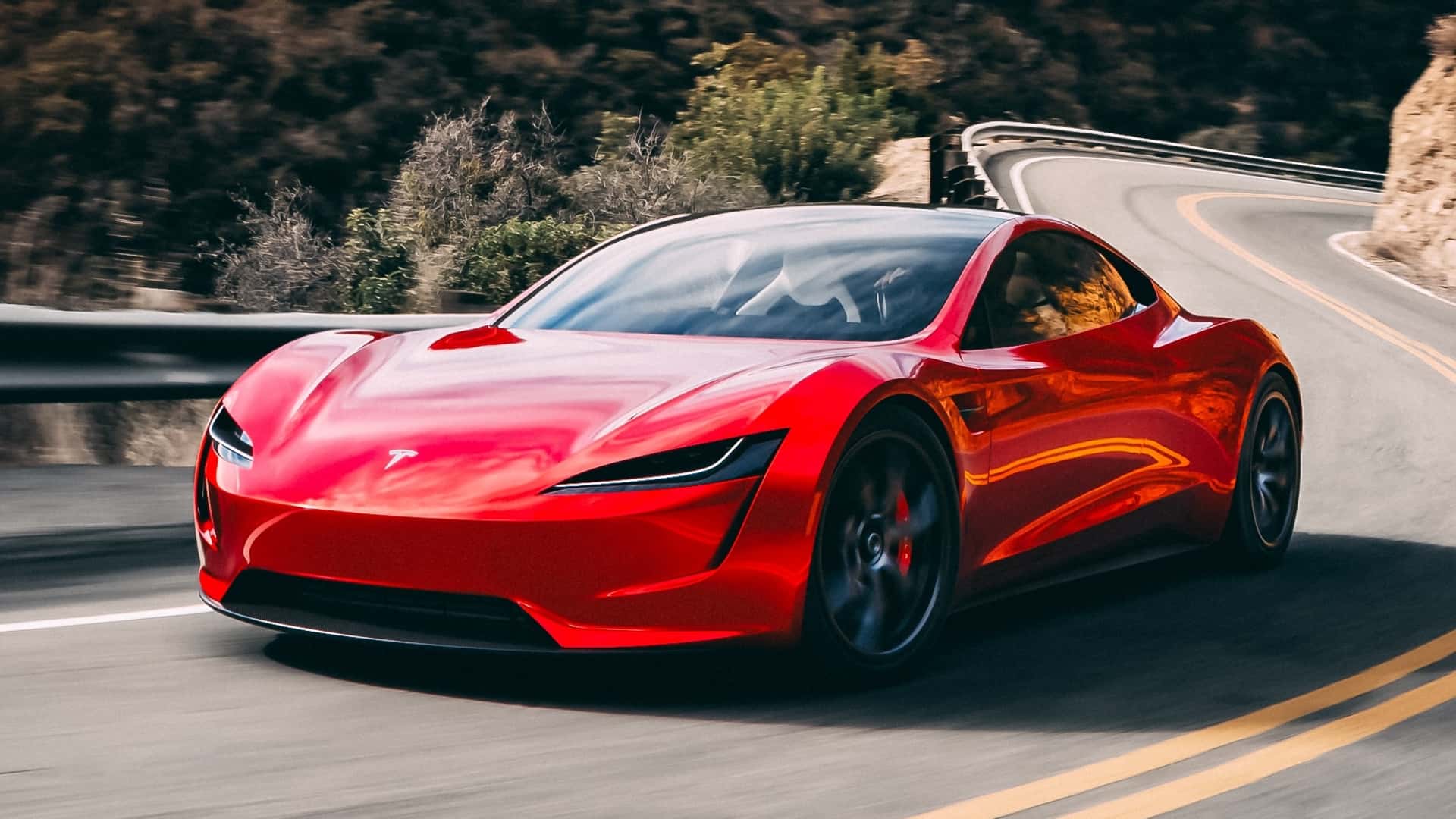
While the patent does not confirm this wing will appear on the production Roadster, it indicates Tesla’s focus on pushing the car’s track capability. A system that can quickly switch between low drag and very high downforce would allow the Roadster to excel in both straight-line speed and cornering performance.
The use of active aerodynamics follows trends seen in other high-performance electric cars and race cars today. Tesla has previously tested moving wings on the Model S Plaid, and this new design could further advance EV aero technology.
More details will likely emerge at Tesla’s October reveal, but this patent offers a clear hint that the new Roadster aims to deliver serious sportscar dynamics backed by advanced aerodynamic control.
Source: motor1.com