
Stellantis CEO Antonio Filosa says the global car market is now divided into two distinct parts: the United States and the rest of the world. This division has led Stellantis to create different strategies for the US and other markets.
US Market Drives Local Engineering and Development
Filosa explained that cars designed for the US will be developed entirely by local engineering teams. This move reflects the unique regulations, customer preferences, and trade policies in America that have grown apart from those in Europe and elsewhere.
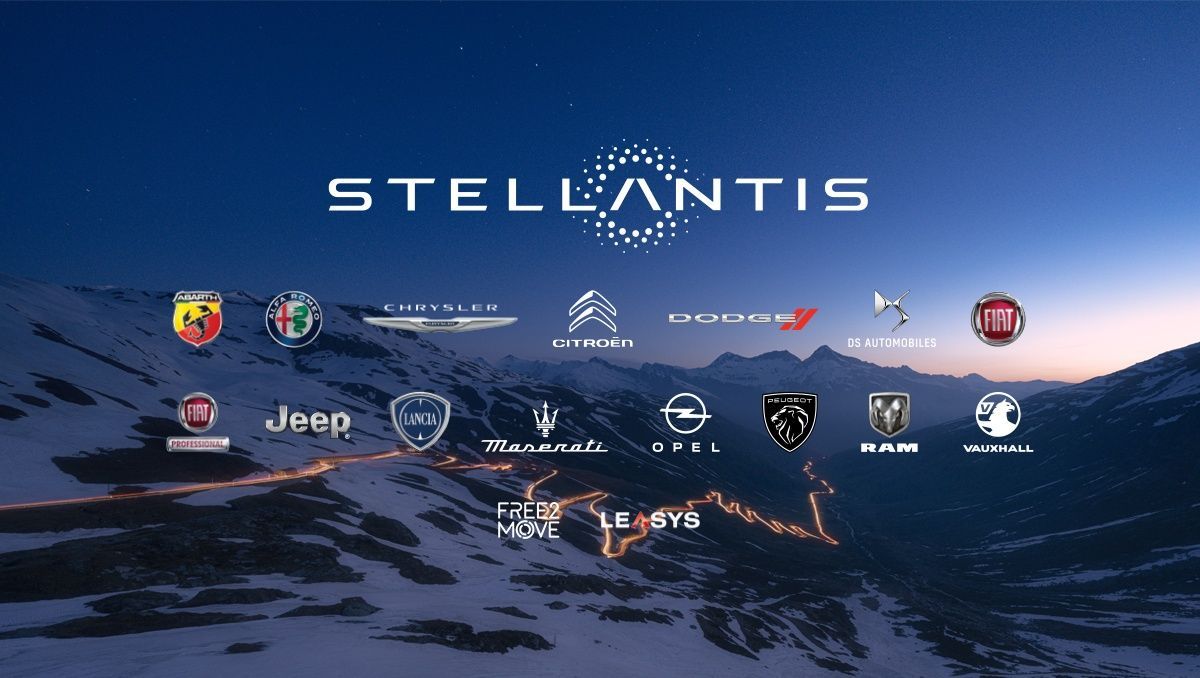
In the US, Stellantis relies heavily on Jeep and RAM for profit. The company will keep its US operations and Chinese partnerships separate to meet regulatory and political demands. This stance comes amid rising pressure on American firms to limit ties with Chinese manufacturers, a challenge also faced by Ford.

Chinese Partnerships Focused on Europe and Other Markets
Outside the US, Stellantis embraces its cooperation with Chinese firms, especially Leapmotor. Stellantis owns a majority stake in Leapmotor International and a significant share of the Chinese company itself. This partnership now goes beyond importing vehicles, with plans to manufacture Leapmotor models in Spain and possibly assign a larger role to Leapmotor in Stellantis’s Villaverde plant.
Chinese partners bring faster development timelines, advanced electronics, and cost efficiencies that European makers struggle to match. Other Chinese companies like BYD, Geely, and Dongfeng continue expanding in Europe, making these collaborations valuable to Stellantis.
Dongfeng Partnership Supports Development for China and Beyond
Stellantis also keeps a working relationship with Dongfeng, which helps develop vehicles for China and other regions. Recent company results highlight Leapmotor’s growing role, while Peugeot and Jeep work on new projects involving Dongfeng.
However, Filosa is clear that these joint ventures will not be part of US car development, avoiding the political risks seen by other automakers working with China-linked firms at home.

Strategic Balance Between Two Markets
This approach shows that Stellantis wants the benefits of both worlds: independent US car development to comply with local demands, and close ties to Chinese companies to boost competitiveness in Europe and beyond. While it doesn’t mean Stellantis will operate as two separate companies, the idea of a global car platform adapted locally is fading.
Filosa’s comments reflect the changing global auto landscape, where the US increasingly feels like its own market with distinct rules and priorities compared to the rest of the world.
Source: motor.es