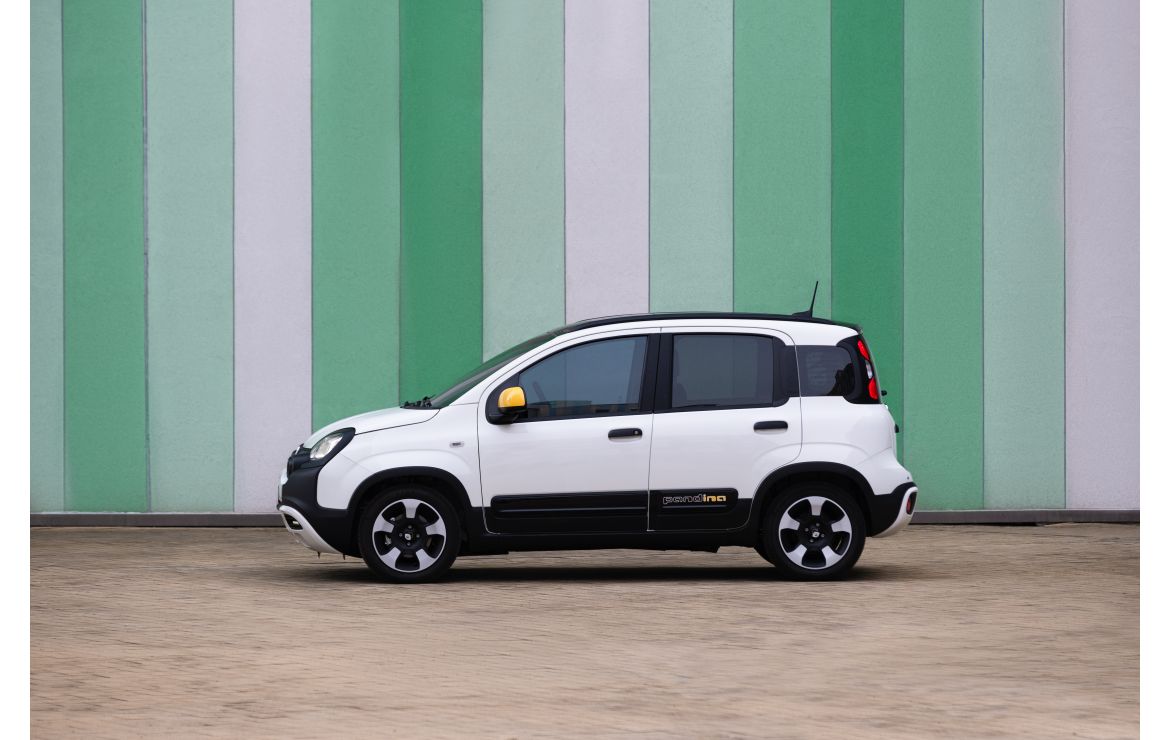

After a catastrophic 2025, Stellantis is finally showing signs of recovery in Italy. Figures for the first quarter of 2026 confirm an expected, almost hoped-for trend reversal. But behind this upturn, a much more fragile reality is taking shape: a single car accounts for almost half of all national production.
A Real Recovery… But Still Fragile
The first months of 2026 mark a turning point. Between January and March, Stellantis’ Italian plants produced 120,366 vehicles (including commercial vehicles), marking an overall increase of 9.5% compared to 2025.
The rebound was driven primarily by passenger cars, while commercial vehicles saw a slight decline due to industrial adjustments at the Atessa plant:
- Passenger Cars: 73,841 units (+22%)
- Commercial Vehicles: Decreased by 5.8%
This turnaround means Italy can expect to produce around 500,000 vehicles in 2026, compared with 379,706 in 2025. This is a clear improvement, but still a long way from pre-crisis levels—and notably far from the 700,000-plus units that were expected back in 2023. The upturn is present, but it is not yet enough to erase the historic downturn of recent years.
Plant-by-Plant Breakdown: Reviving the Machine
Against this backdrop, several plants are back in the black, though the reality of the growth varies by location.
| Production Site | Q1 2026 Growth | Key Drivers & Models |
| Melfi | +92.5% | Launch of the new Jeep Compass. |
| Mirafiori | +42.4% | Ramp-up of the Fiat 500 (now available in hybrid and electric). |
| Pomigliano | +6.7% | Remains a major industrial pillar with moderate but steady growth. |
| Modena | +500% | Assembly jumped from 30 to 205 cars, driven by the transfer of the Maserati GranTurismo and GranCabrio from Turin. |
The Modena Paradox: While Modena’s 500% surge is spectacular on paper, the reality is more nuanced. Volumes remain extremely low on an industrial scale (just 205 cars). It perfectly symbolizes the current paradox for Stellantis in Italy: there are visible signs of recovery, but it is still far from a true large-scale revival.
La Pandina: The Backbone of Italian Industry
The most striking fact of the new year lies in a single model. Today, the Fiat Panda—now known as the Pandina—accounts for almost half of Stellantis’ entire Italian automotive production.
Produced at the Pomigliano plant, the Pandina represents roughly 47% of national volumes. This colossal figure is almost alarming. It reflects an extreme dependence on a single model. While the Pandina is certainly popular and profitable, it cannot carry the entire Italian automotive industry on its own. Without it, national production would appear drastically more fragile; it has essentially become the industrial crutch of a system struggling to renew itself.
Cassino: A Symbol of Persistent Difficulties
At the other end of the scale, some plants continue to sink. Cassino remains the black spot for Stellantis in Italy.
- Q1 Drop: Production fell by a further 37.4%, with just 2,916 vehicles assembled.
- Model Lifecycles: The Alfa Romeo Giulia and Stelvio are nearing the end of their cycle, and the Maserati Grecale is not selling enough to offset the drop in volumes.
- Bleak Outlook: The site still has no clearly allocated new models. Projections for 2026 put annual production at around an extremely low 13,000 units. On the social front, the situation is becoming critical, with a large proportion of the workforce relying on support measures.
A Conditional Takeover
The start of 2026 marks a real change in momentum. Stellantis is also making progress on the European market, with sales up 5%—proof that its broader product strategy is beginning to bear fruit.
However, this domestic recovery is still built on fragile foundations: a reliance on a few key models (like the 500 hybrid or the Jeep Compass), highly limited volumes at sites like Modena, and a heavy dependence on the Pandina.
All eyes now turn to May 21, 2026, when CEO Antonio Filosa is due to present the new industrial plan. This presentation must answer a critical question: How can Stellantis transform this cyclical rebound into a truly sustainable recovery? Without new model assignments, a move up the industrial range, and a diversification of production volumes, Italy could remain dependent on a precarious equilibrium—one where a single car continues to sustain an entire industry.