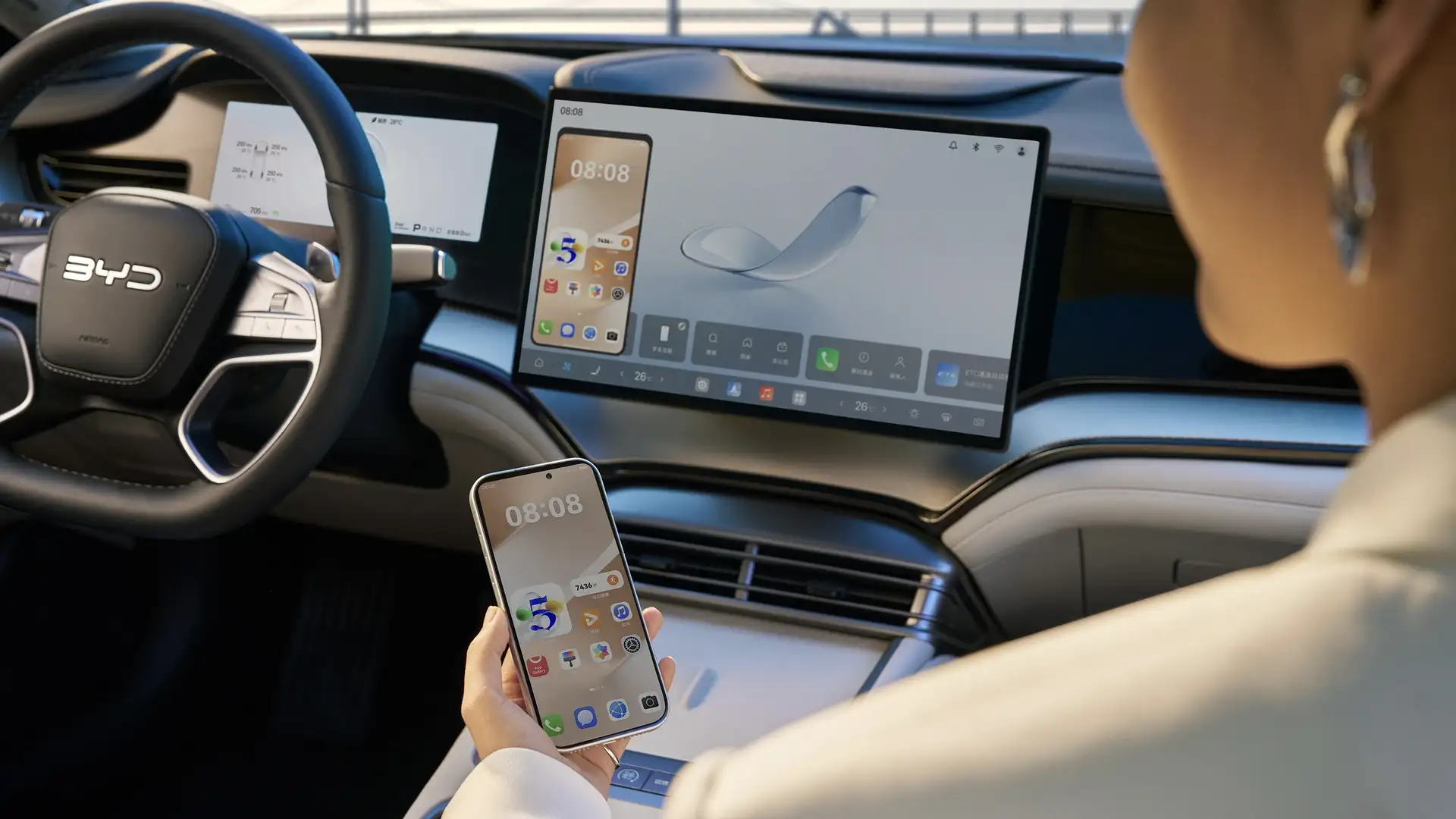

Leading Chinese electric vehicle (EV) manufacturers including BYD, NIO, XPeng, and Li Auto are designing their own smart-driving chips. This move aims to lower costs, speed up development, and reduce dependence on external suppliers for advanced driver-assistance systems (ADAS) hardware.
From Batteries to Car Brains
China has already established dominance in EV battery production, helping brands like BYD rise globally. Now, the focus has shifted to the next key EV component: chips that power ADAS and autonomous features. Developing in-house chips could give these automakers more control over software integration and hardware costs.
Key Players and Their Chips
- BYD: Announced the Xuanji A3 chip, a 4-nanometer semiconductor aimed at Level 3 and Level 4 driving automation. It is reportedly priced at about a third of Nvidia’s comparable chips.
- NIO: Uses its 5-nanometer Shenji NX9031 chip, helping to save around 10,000 yuan (€1,350) per vehicle compared to Nvidia-based systems.
- XPeng: Developed the Turing AI chip designed not only for its own vehicles but also for collaborations, including with Volkswagen for China-market EVs.
- Li Auto: Released the Mach M100, a 5-nanometer chip tailored for its flagship L9 Livis SUV.
What This Means for the EV Industry
Though automotive chip manufacturing still relies on external fabs, having in-house designs offers these Chinese brands strategic advantages. They can closely match hardware to their vehicles and reduce costs. This shift could strengthen China’s EV position globally and put additional pressure on Western automakers who rely heavily on third-party chip suppliers like Nvidia, Qualcomm, and Mobileye.
When to Expect More
Reports indicate that 2026 will be a key year for the rollout of these chips, increasing the availability of advanced driver-assistance features in more affordable Chinese EVs.
Why It Matters
The race to develop in-house smart-driving chips highlights China’s push to control critical EV technologies beyond batteries. For consumers, this could lead to lower prices and smarter, more integrated driving aids. For the global automotive market, it signals growing competition and the need for Western makers to adapt their chip strategies.
Source: insideevs.com