
Ford is taking a new approach to making its engines more reliable by using artificial intelligence alongside skilled veteran engineers. The goal is to create engines that can last at least 15 years or 225,000 miles, a significant increase from their previous target of 10 years and 150,000 miles.
AI Helps Spot Tiny Engine Flaws Early
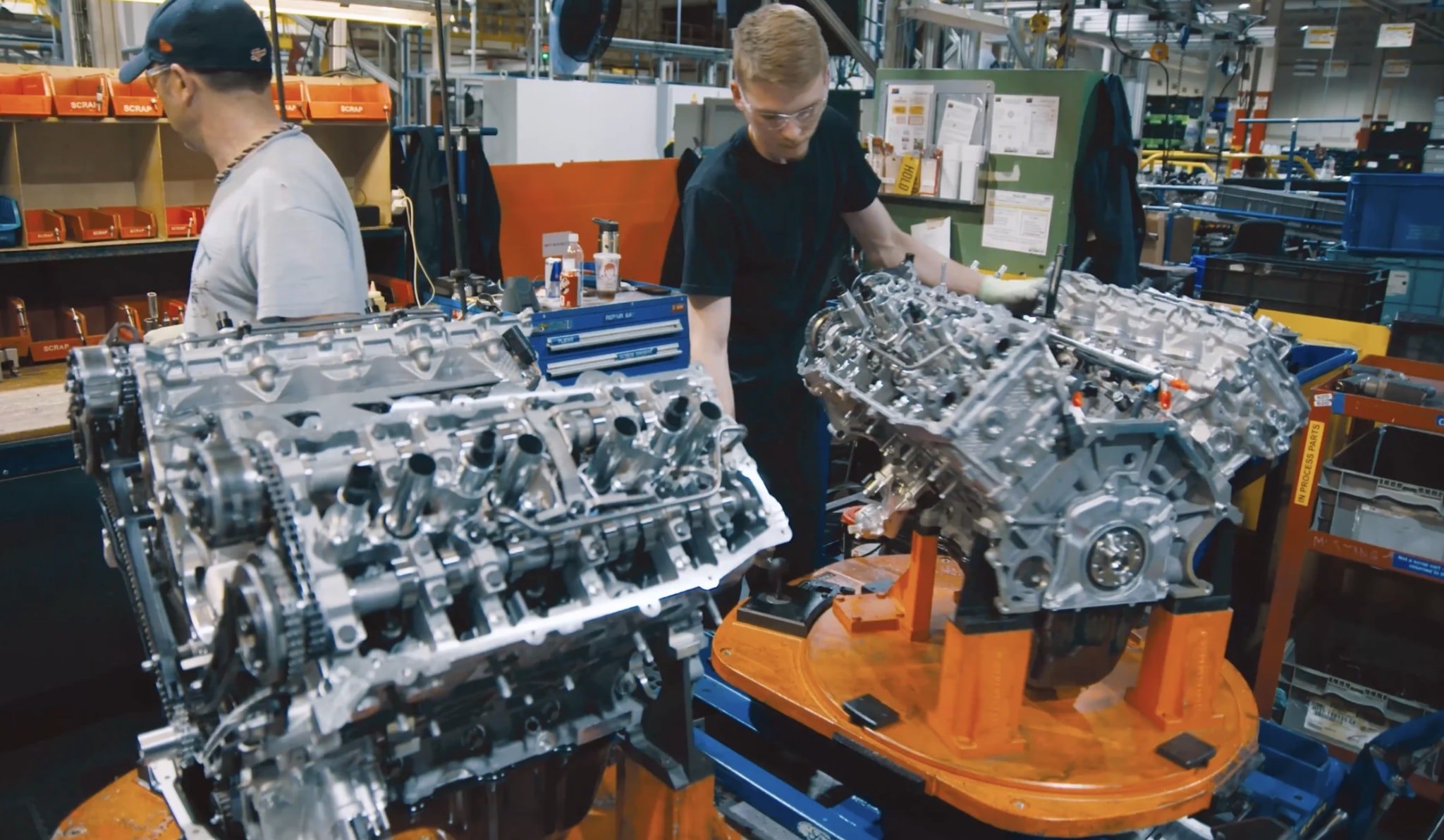
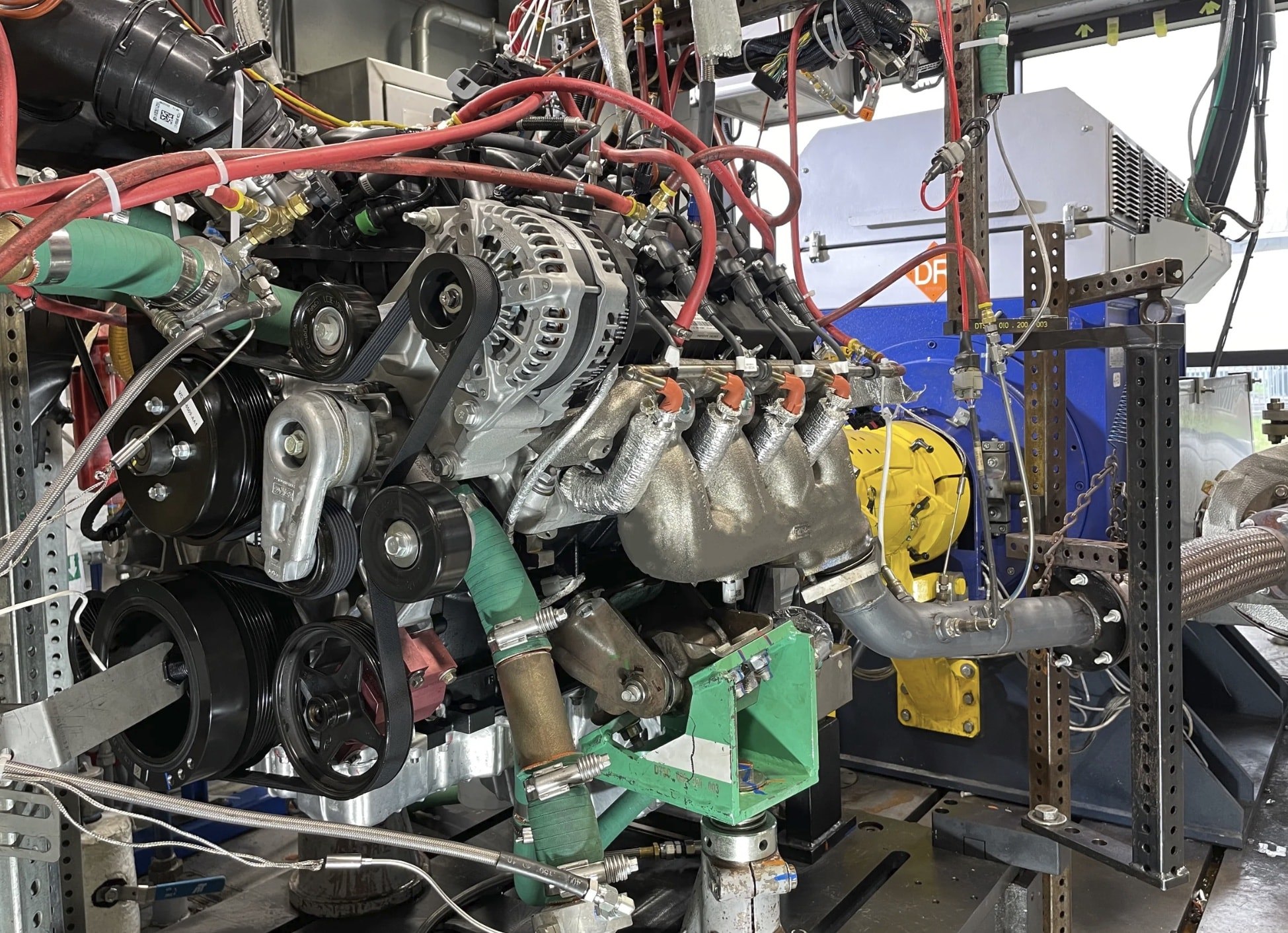
At Ford’s Essex Engine Plant in Ontario, Canada, engines are tested immediately after production with tough stress runs. These tests include wide-open throttle and repeated start-stop cycles to push the engine to its limits. During this process, AI software closely analyzes engine oil samples and other data to detect microscopic signs of wear, such as trace metal particles, well before any visible damage occurs.
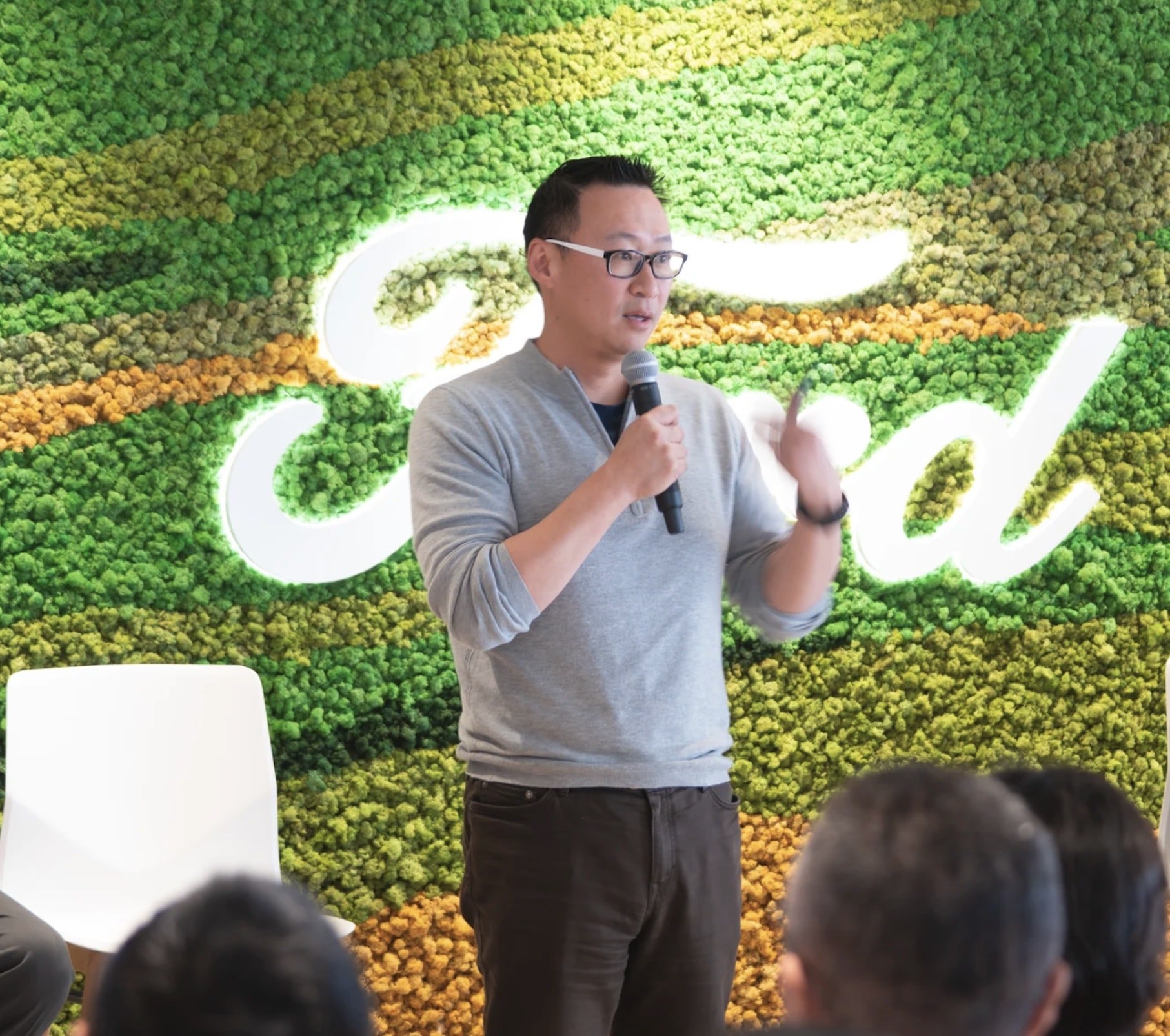
This technique, known as the “fingerprint test,” was introduced by Charles Poon, Ford’s Vice President of Vehicle Hardware Engineering. Poon, a long-time Ford engineer, leads the push to improve engine reliability by combining AI-driven data analysis with hands-on expertise.

Veteran Engineers Train AI to Recognize Real Failures
Ford realized that AI alone was not enough to achieve this level of quality. To overcome this, the company rehired or promoted about 350 veteran technical specialists to work directly with AI systems. These experts use their experience to train the AI on what real-world engine problems look like, helping the software identify issues more accurately and promptly.
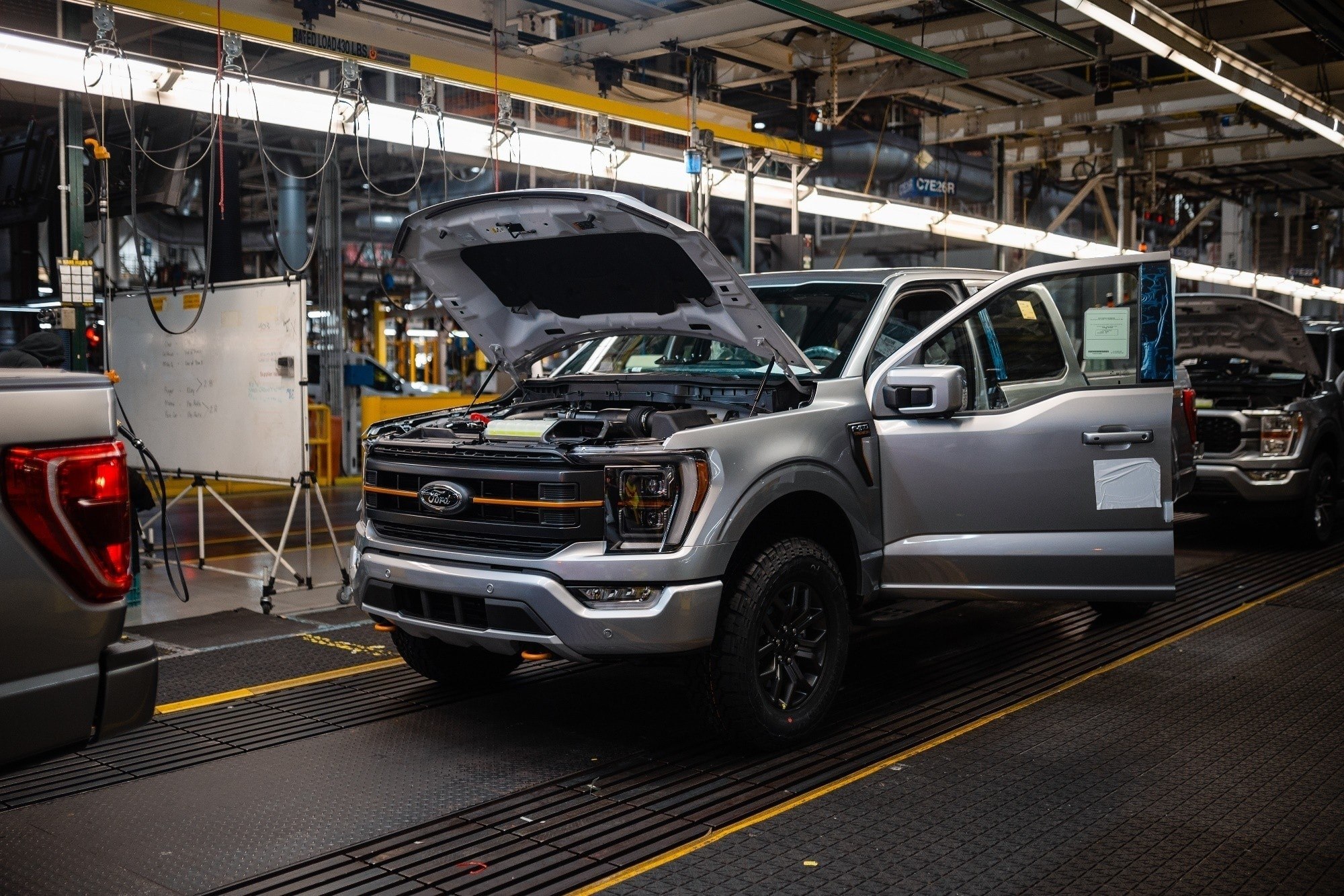
This hybrid strategy allows Ford to spot and fix production problems on the spot, improving the quality of engines before they reach customers. The human input was key, especially after the company faced challenges with high recall numbers in recent years.
Ford’s Paradox: Leading in Recalls but Also Quality
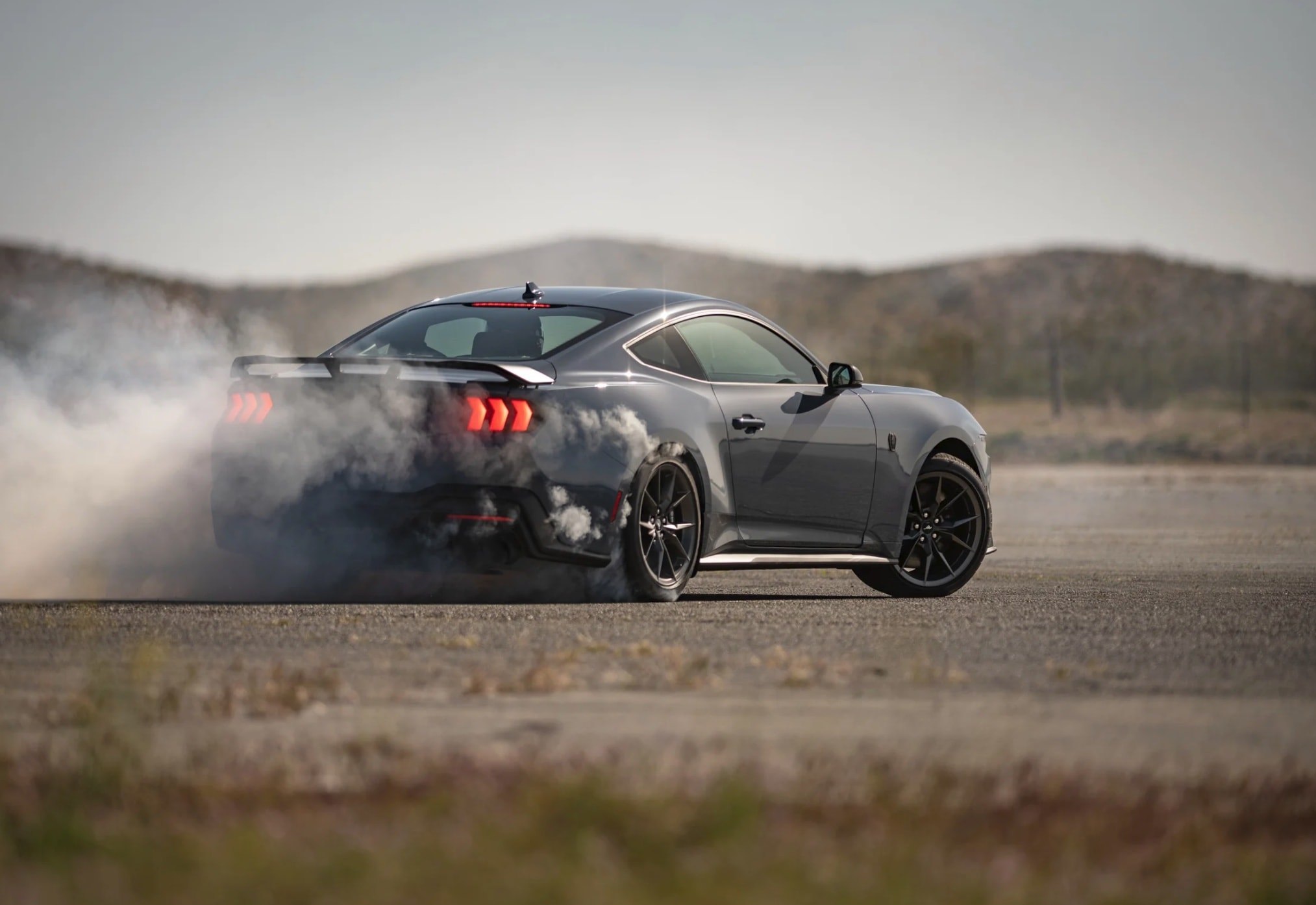
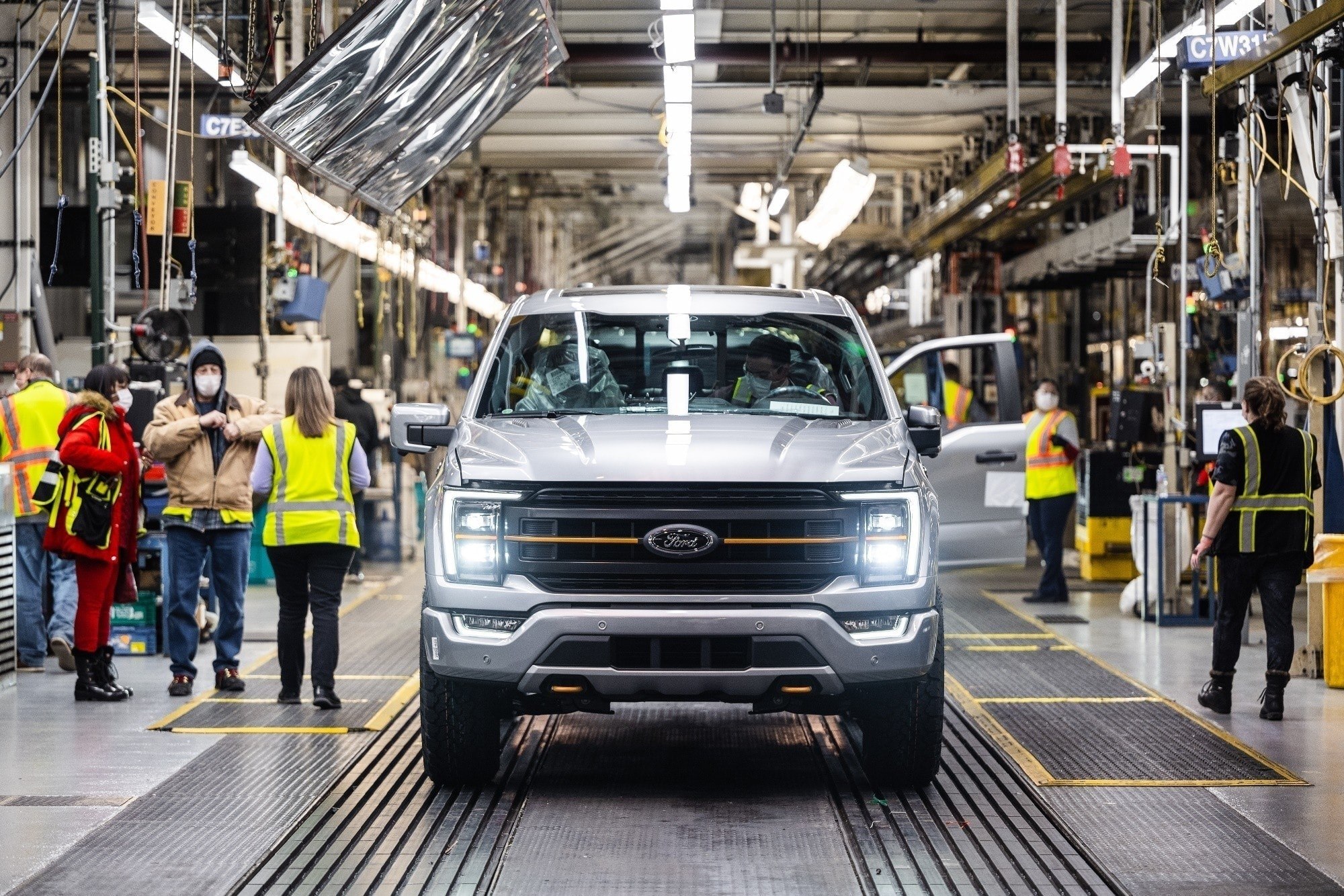
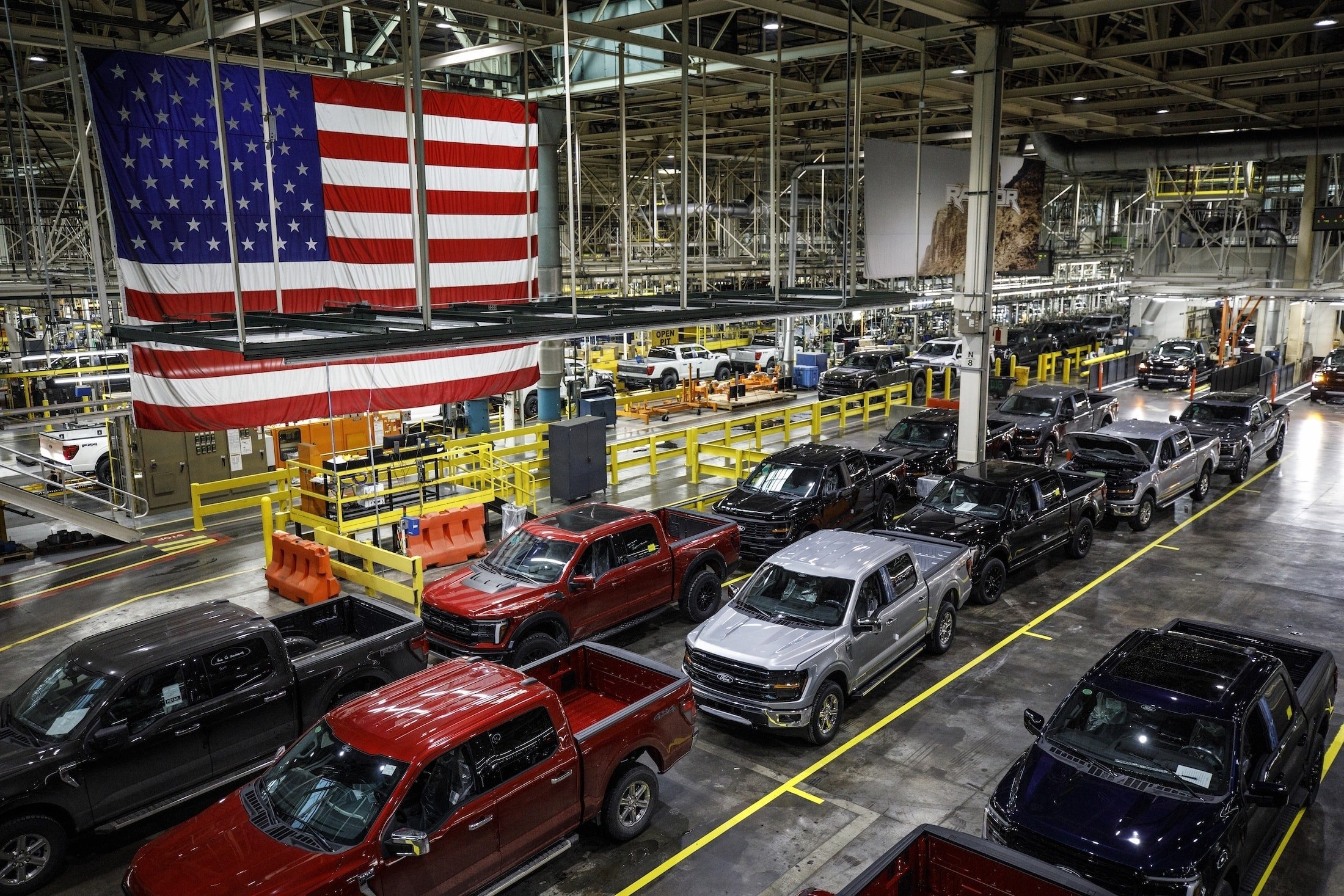
Despite recalling about half of all vehicles recalled in the United States this year, Ford has also topped the 2026 J.D. Power Initial Quality Study. This contrast highlights the challenges in manufacturing complex vehicles today and Ford’s commitment to solving those issues through new technology and experienced engineers.
Charles Poon sums it up: “Quality is not just marketing or a flavor of the week. Quality is doing the right thing, even when no one is watching.” Ford’s new approach may set a path for the industry on how to combine AI with human expertise effectively for better vehicle reliability.
Source: autoevolution.com