
The upcoming Euro 7 emissions standard is set to change car brakes forever by targeting the brake dust pollution that affects both electric and combustion vehicles. German supplier Schaeffler is leading the charge with a new wet brake system aimed at cutting this type of pollution.
Why Euro 7 Targets Brake Dust and How It Matters
Unlike previous regulations focused only on tailpipe emissions, Euro 7 will impose legal limits on particulate pollution from brake wear. This black dust that builds up on alloy wheels has been overlooked until now, despite being a source of contamination. Automakers are now racing to develop solutions that reduce these particles without compromising braking performance.
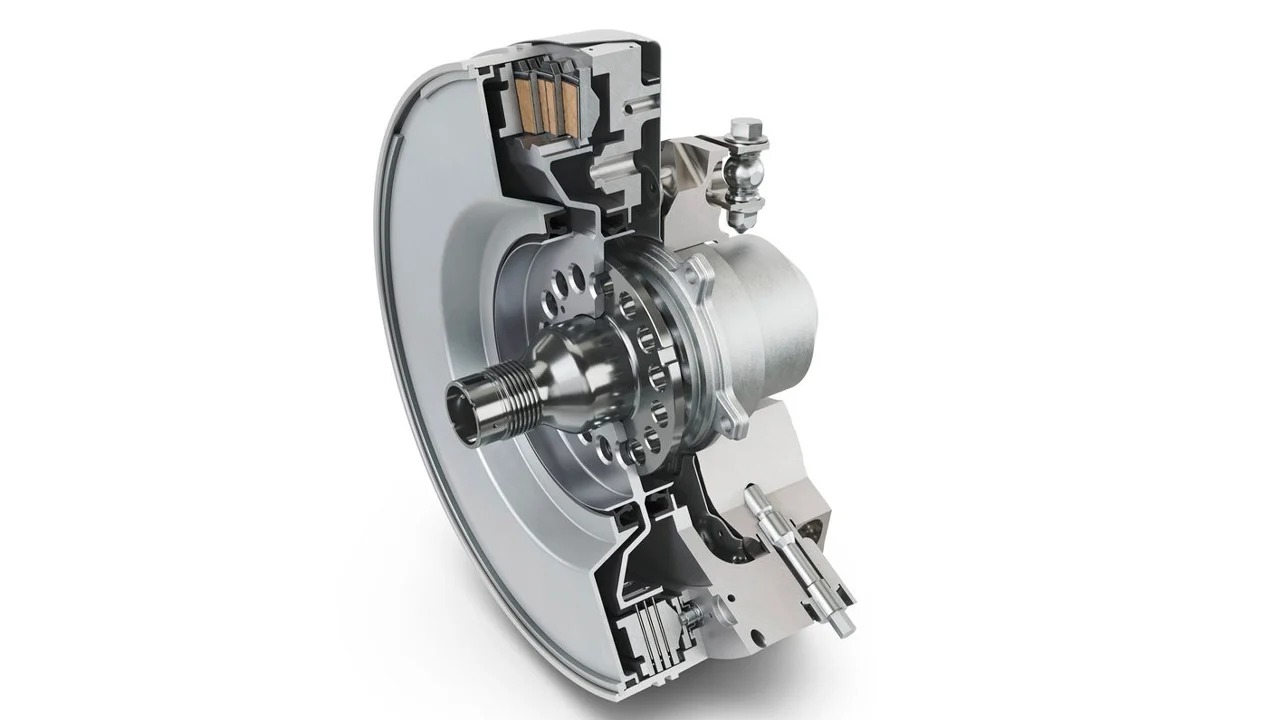
Schaeffler’s Wet Multi-Disc Brake Tested on the Track
Schaeffler has developed a wet multi-disc brake that runs submerged in oil. This design seals the brake away from dirt and moisture, preventing corrosion and maintaining steady friction over time. Importantly, because the friction surfaces wear inside the sealed housing, brake dust is contained and does not escape to dirty wheels or the environment. The system also promises low noise and maintenance-free operation.
To test its real-world durability, Schaeffler installed this wet brake setup on the rear axle of an Audi R8 LMS GT2 race car. The prototype will compete as a “race taxi” during the DTM touring car event in mid-August at the Nürburgring, allowing engineers to gather data under extreme conditions.
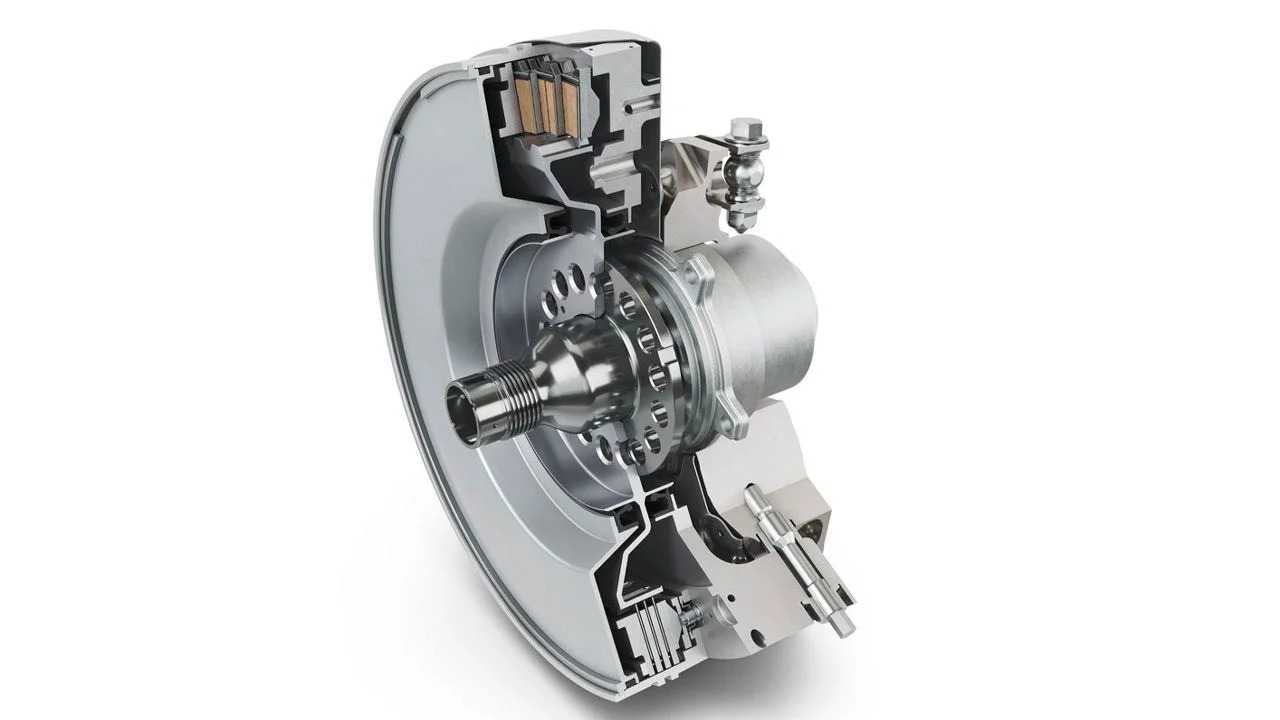
Managing Heat: The Main Technical Challenge
One tricky issue with sealed wet brakes is heat buildup, especially in demanding race scenarios. Schaeffler tackled this by adding a dedicated cooling system that uses hydraulic pumps and multiple heat exchangers to keep brake temperatures under control. Andreas Wassmer, head of vehicle concept development at Schaeffler, noted that high cooling capacity is essential for this dynamic use.
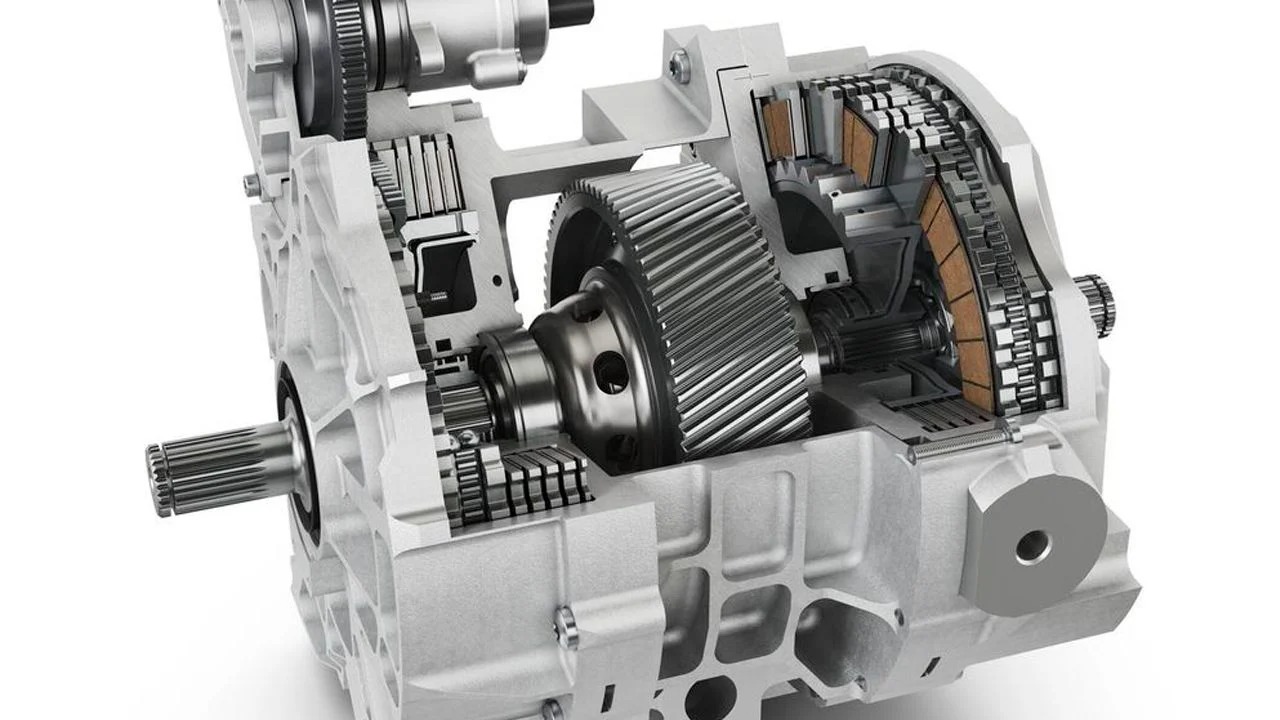
Looking Ahead: Integration With Electric Axles
The wet brake trial is part of a broader vision to create compact electric axles combining brakes, electric motors, and cooling systems in one unit. Such integrated designs could replace conventional disc and drum brakes in certain models. While Schaeffler’s wet brake system is not yet aimed at normal road cars, this technology could become more common if Euro 7 pushes automakers to meet stricter brake particle limits.
For now, Schaeffler’s racing tests will provide valuable insights into making these brake systems practical and reliable.
Source: motor.es