
Stellantis’ SRT division is testing a new powertrain technology called eBoost Air, designed to reduce turbo lag without compromising top-end power. The system pairs an electric compressor ahead of traditional exhaust-driven turbochargers to deliver instant boost pressure, particularly at low engine speeds.
Electric Compressor Supports Turbo Chargers
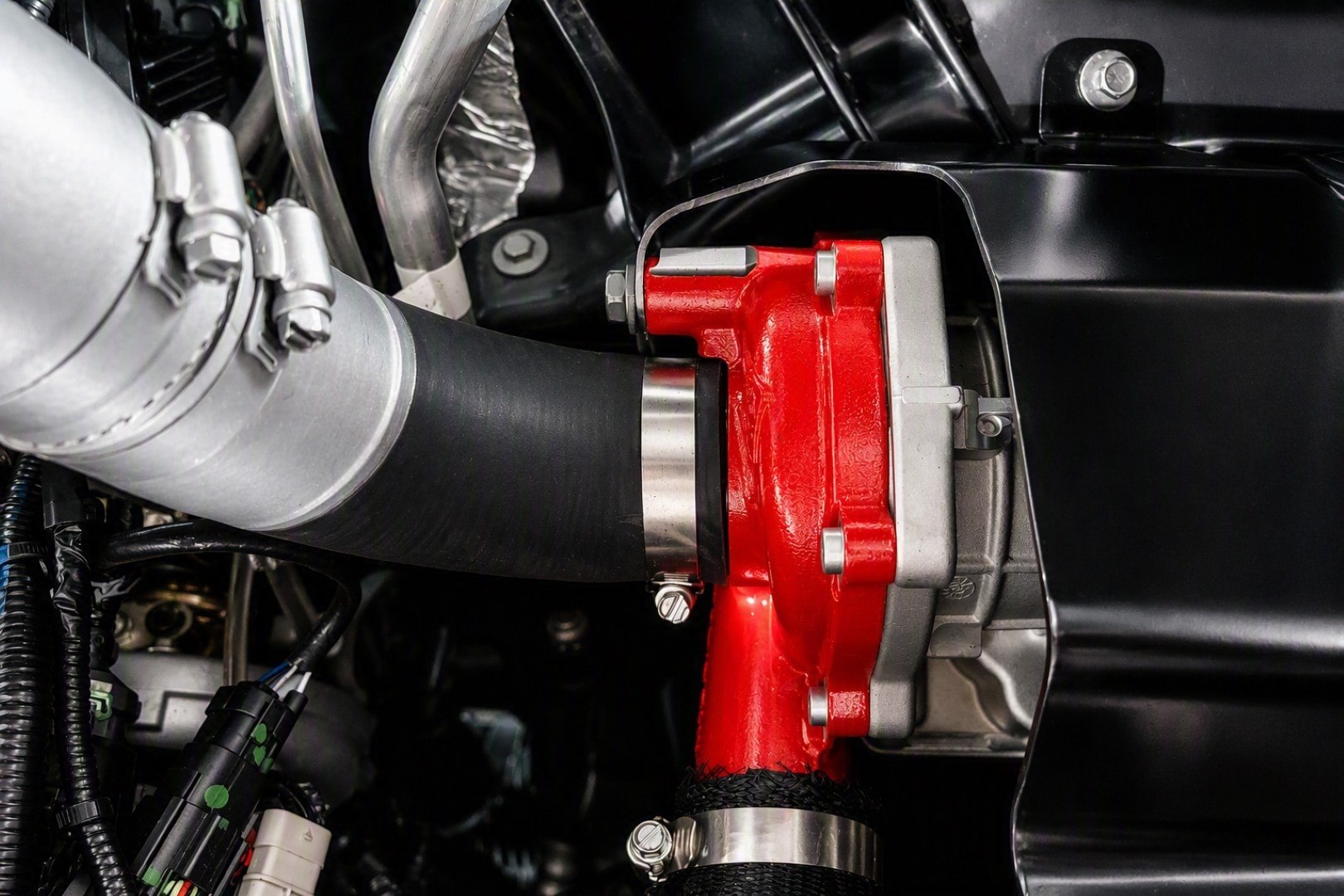
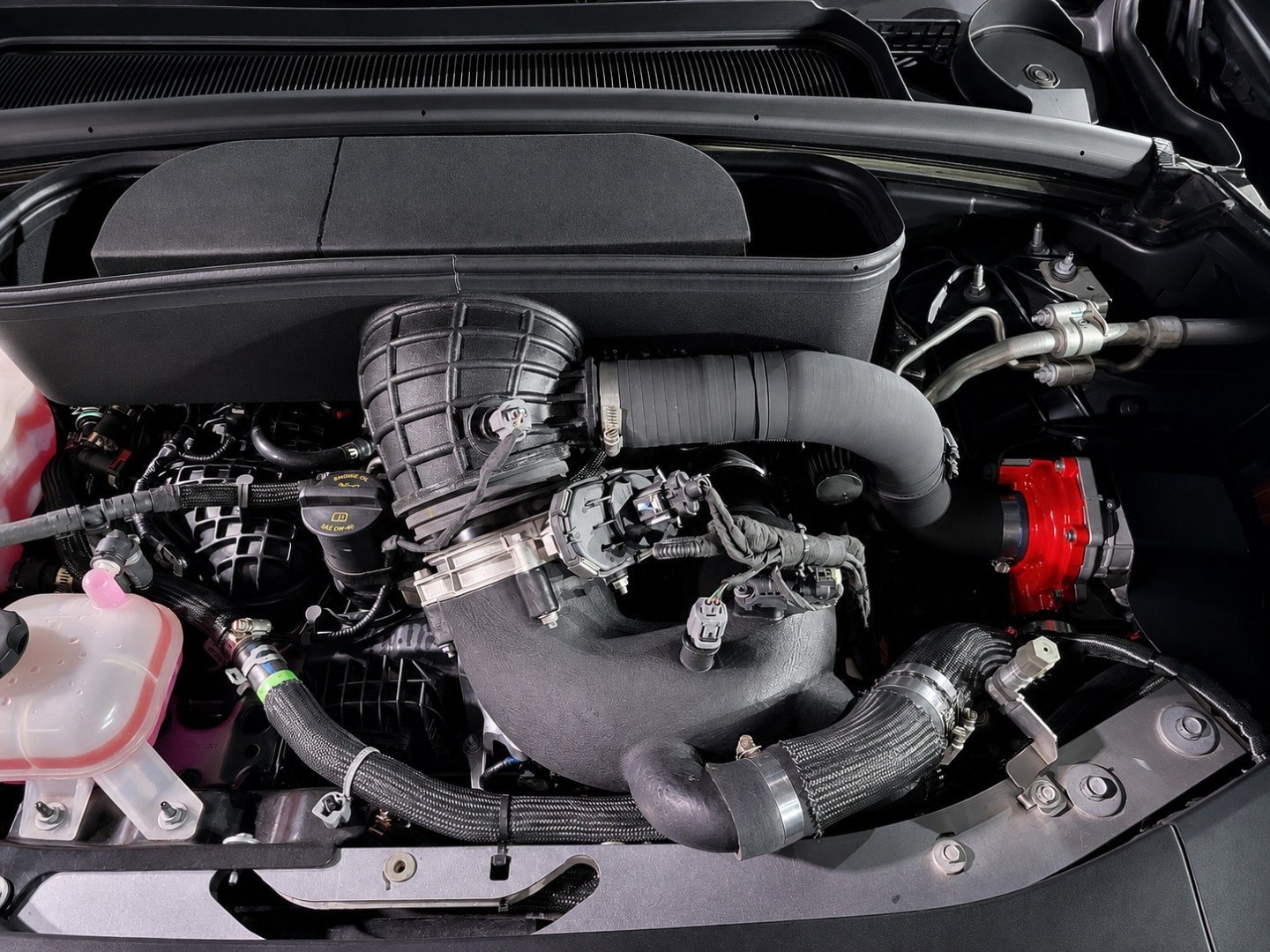
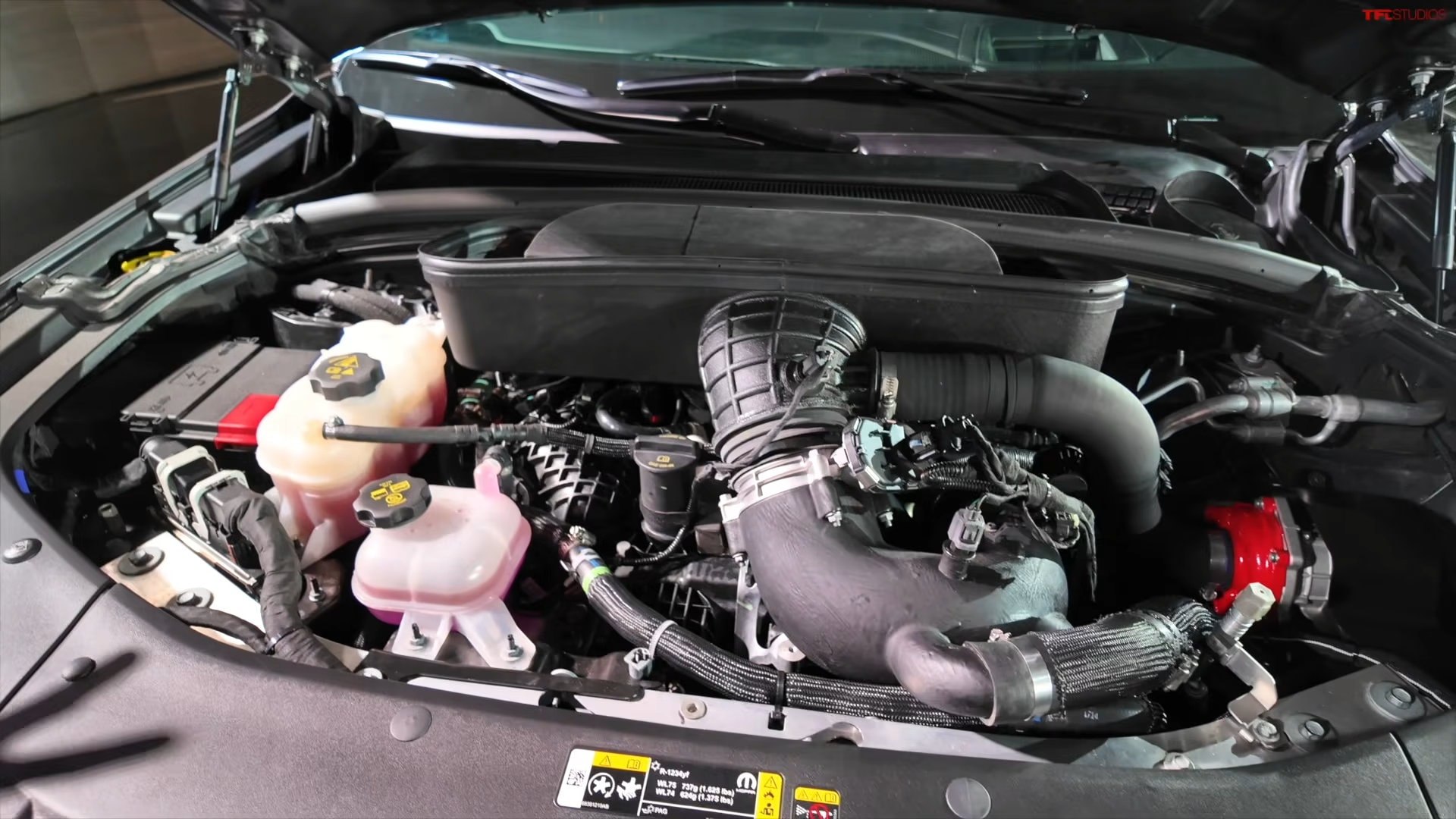
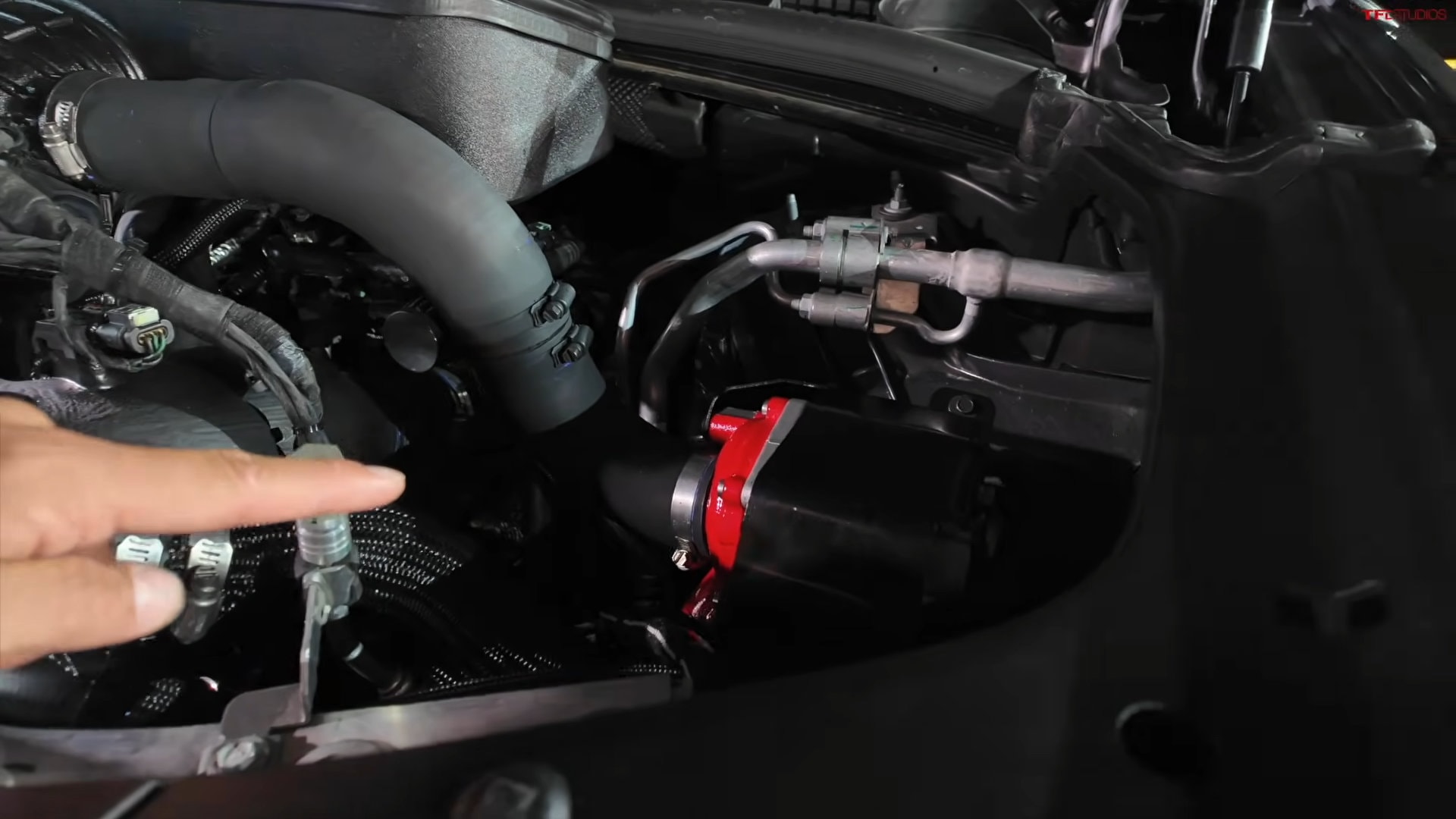
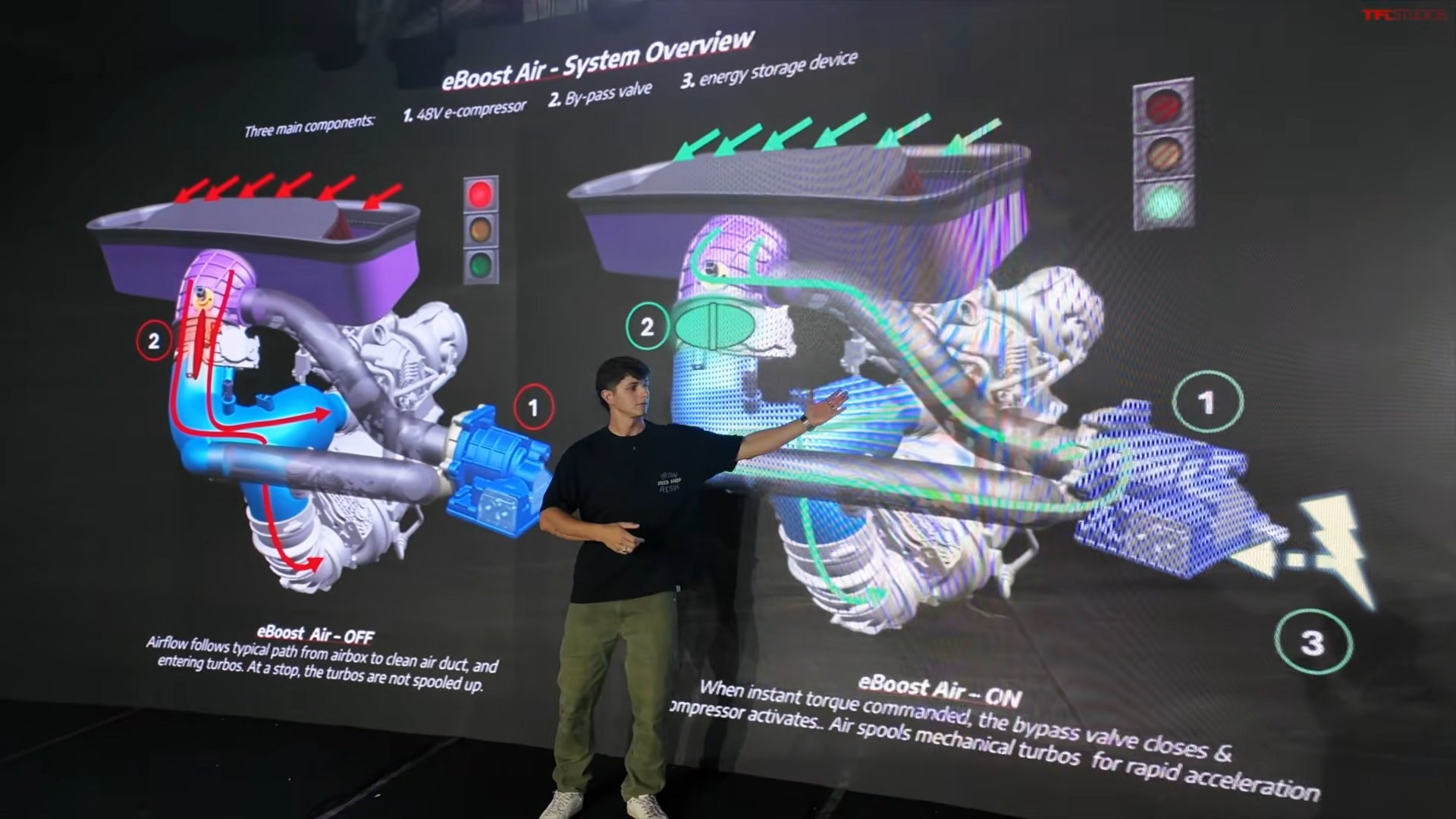
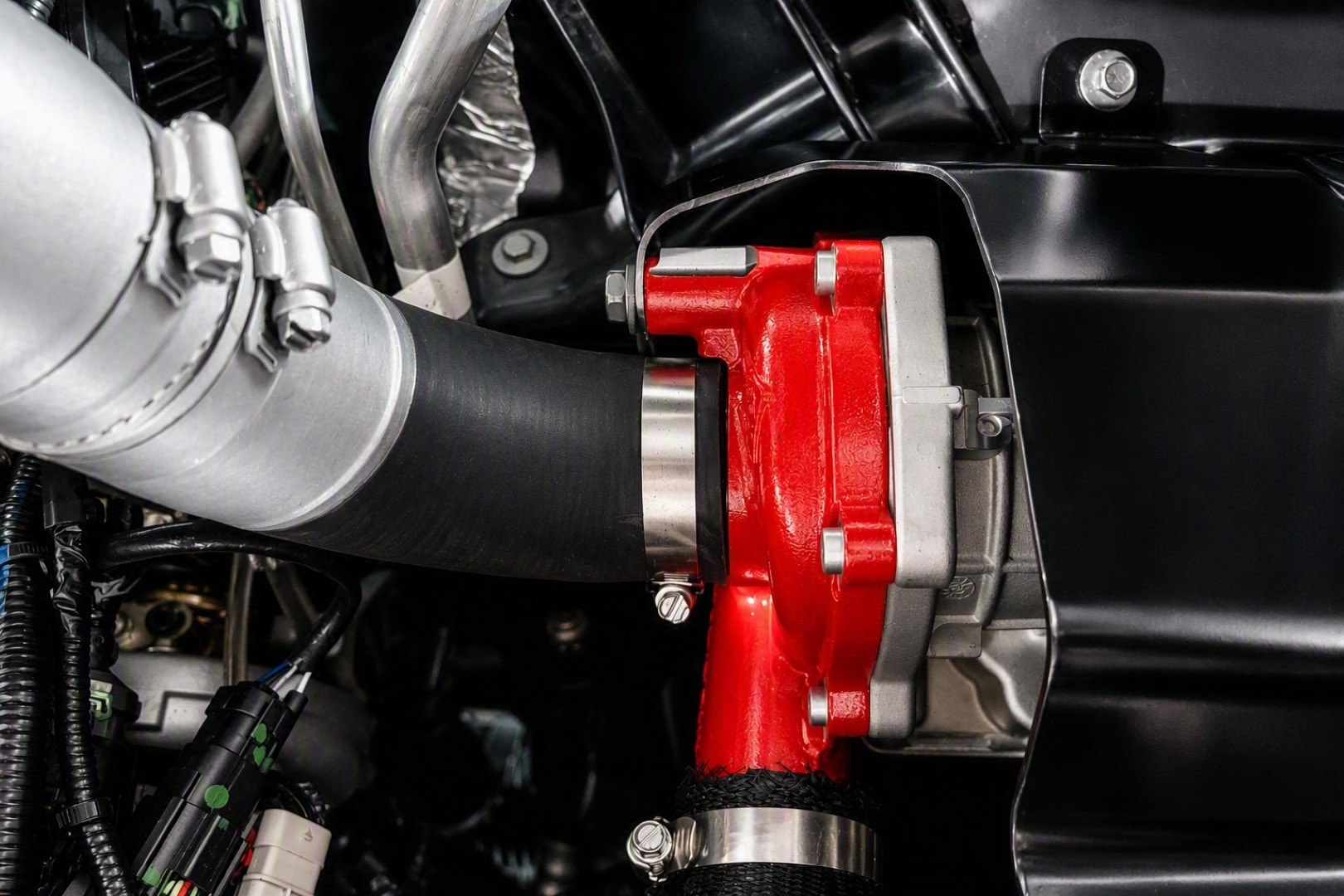
The eBoost Air system adds an electrically driven compressor before the turbochargers to provide immediate boost when the engine is at low revs. This helps spool the twin turbos faster until exhaust gases can generate boost pressure on their own. Unlike some electric turbo designs that spin the turbo shaft directly, this setup uses a bypass to route air through the compressor independently.
This design is somewhat close to the Audi SQ7’s EPC system but differs from the more complex electric turbochargers seen in Formula 1 or Mercedes-AMG road cars. It offers simpler integration and less complexity, meaning it might be easier to adapt to existing engines.
Prototype Runs on the 3.0-Liter Hurricane Inline-Six
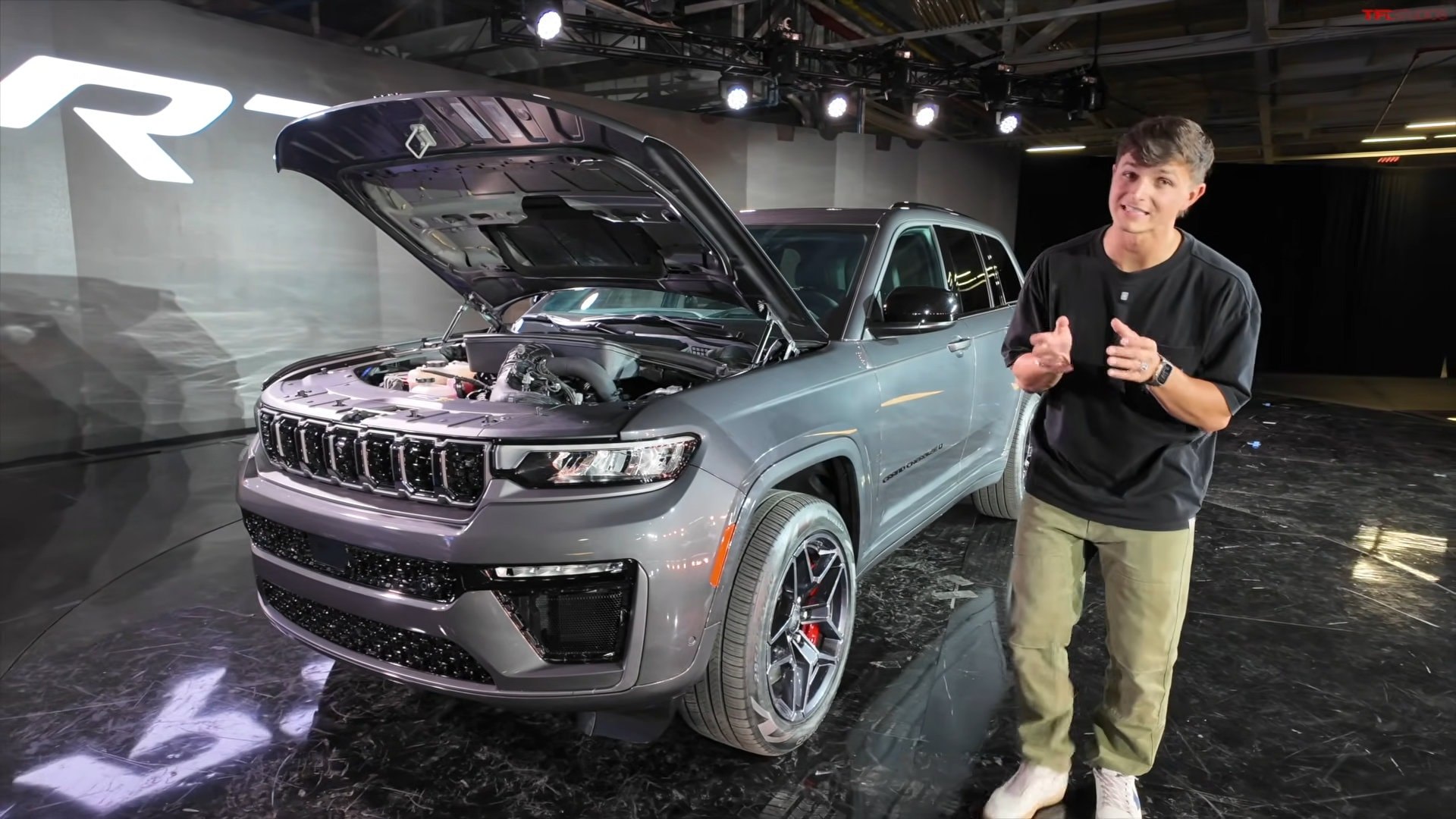
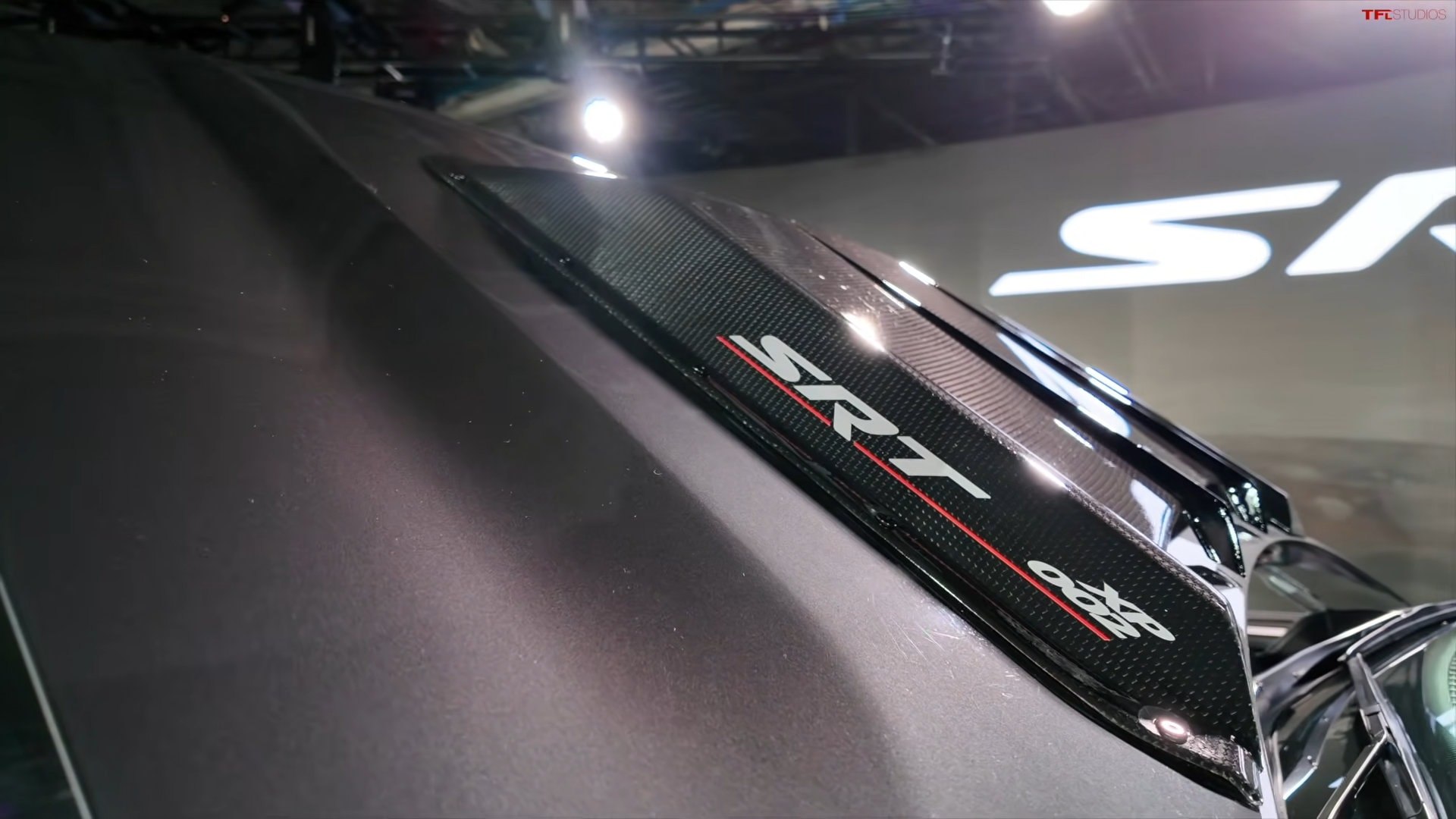
SRT has already demonstrated eBoost Air on a prototype version of the 3.0-liter twin-turbo inline-six Hurricane engine. The test vehicle, a Jeep Grand Cherokee with SRT branding, reportedly produces around 640 horsepower and 813 Nm (600 lb-ft) of torque with this setup.
The system features an electronically controlled bypass that directs air through the electric compressor when extra boost is needed immediately. Once the turbos are caught up, airflow shifts back to the normal intake path, and the electric compressor steps back.
Implications for Performance and Future Models
If SRT can bring eBoost Air into production, vehicles powered by the Hurricane engine could combine strong top-end power with improved throttle response at low engine speeds. This would address one of the common drawbacks of large turbochargers—waiting for boost to build.
Stellantis has moved quickly from concept to prototype, suggesting serious development toward production. However, no official launch date or production plans have been confirmed yet.
Source: autoevolution.com