
Automatic emergency braking systems, mandatory in new cars across Europe since 2022, are facing new challenges due to an increase in unintended or “ghost” braking events. These unexpected stops raise safety and legal questions, potentially changing the way fault is assigned in rear-end collisions.
What Is Ghost Braking?
Ghost braking occurs when a car’s automatic emergency braking system activates without an obvious hazard in front. This is caused by radar or camera sensors misinterpreting shadows, lighting changes, or objects like fallen branches as real threats. The system triggers a sudden stop or warning, which can catch drivers behind off guard.
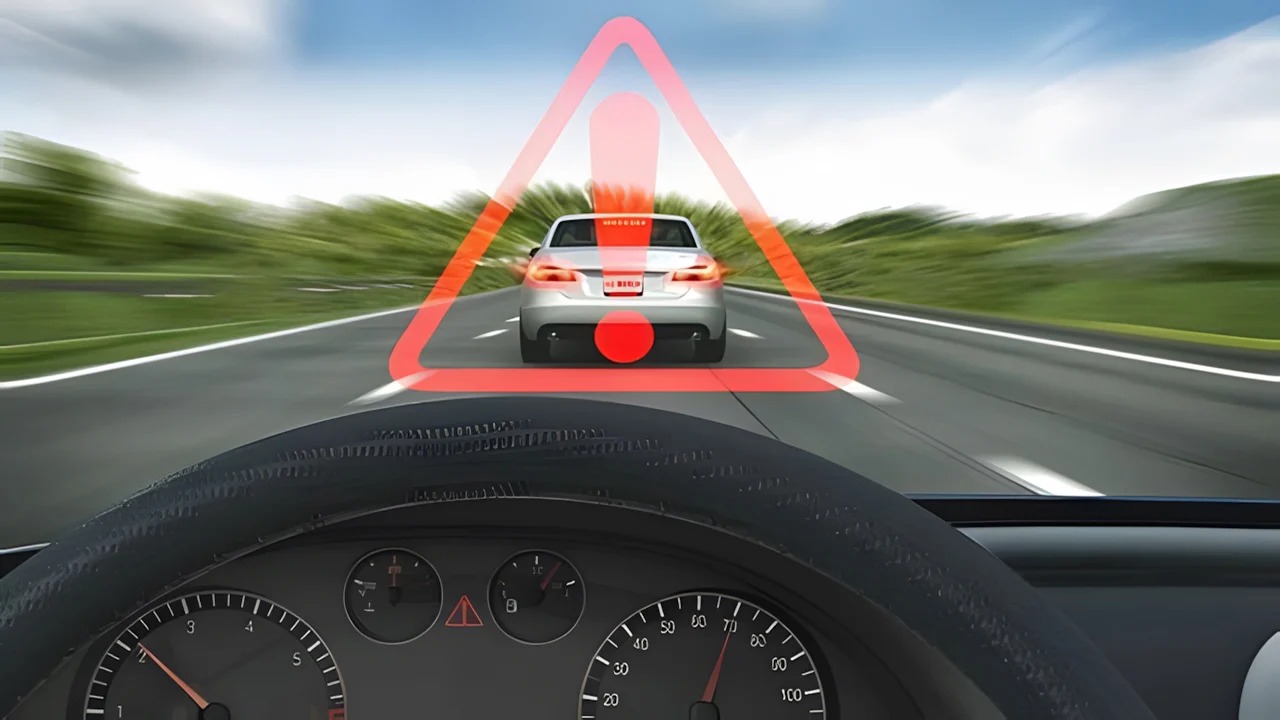
- The system uses radar and cameras to detect obstacles.
- Drivers receive warnings if they approach an obstacle too quickly.
- If no driver reaction occurs, the car brakes automatically.
- High sensor sensitivity settings can increase ghost braking incidents.
Legal and Safety Implications
Historically, the driver hitting a car from behind was almost always considered at fault due to failure to maintain a safe distance. However, ghost braking complicates this rule. When the front car brakes suddenly without traffic justification, it may be deemed negligent for causing danger to the following vehicle.
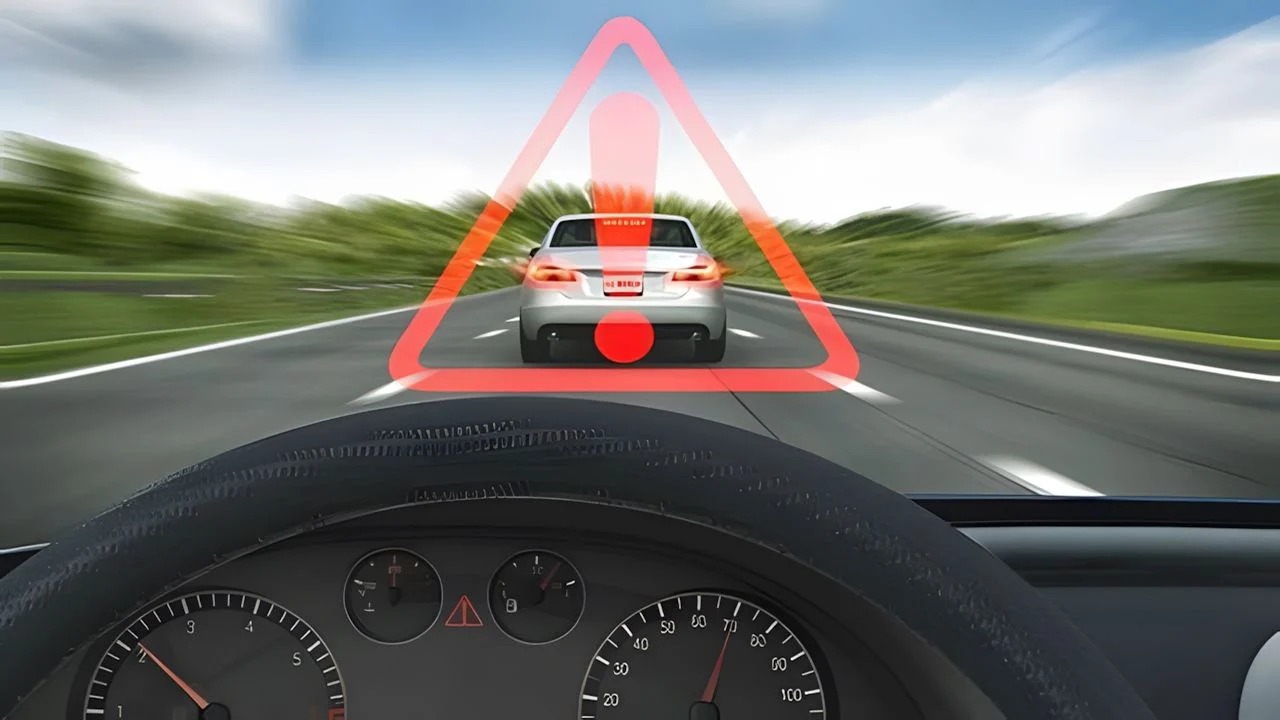
- Automatic braking errors create unpredictable stops, increasing collision risk.
- Responsibility may shift from the rear driver to the front driver or system operator.
- Drivers remain legally responsible for their vehicle even with automated systems active.
Insurance Industry Responds
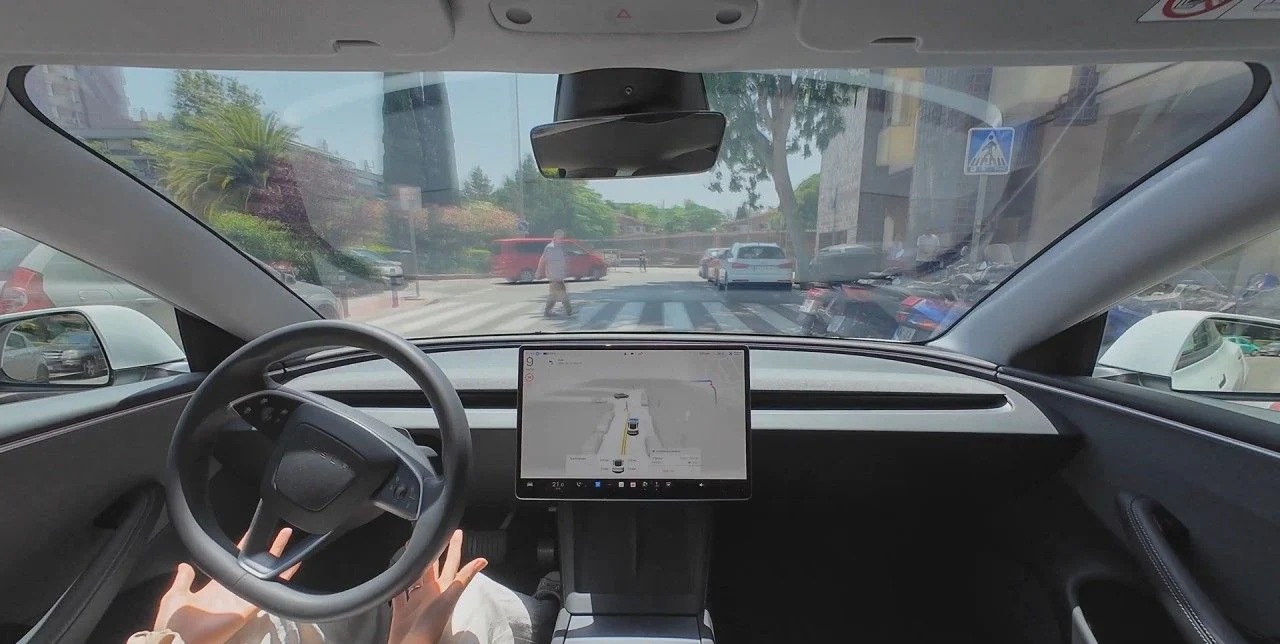
European insurers are starting to see claims linked to ghost braking. For example, in the Netherlands, insurer DAS reports cases where cars using Tesla’s Full Self-Driving system braked suddenly due to objects misread by sensors, causing rear-end crashes.
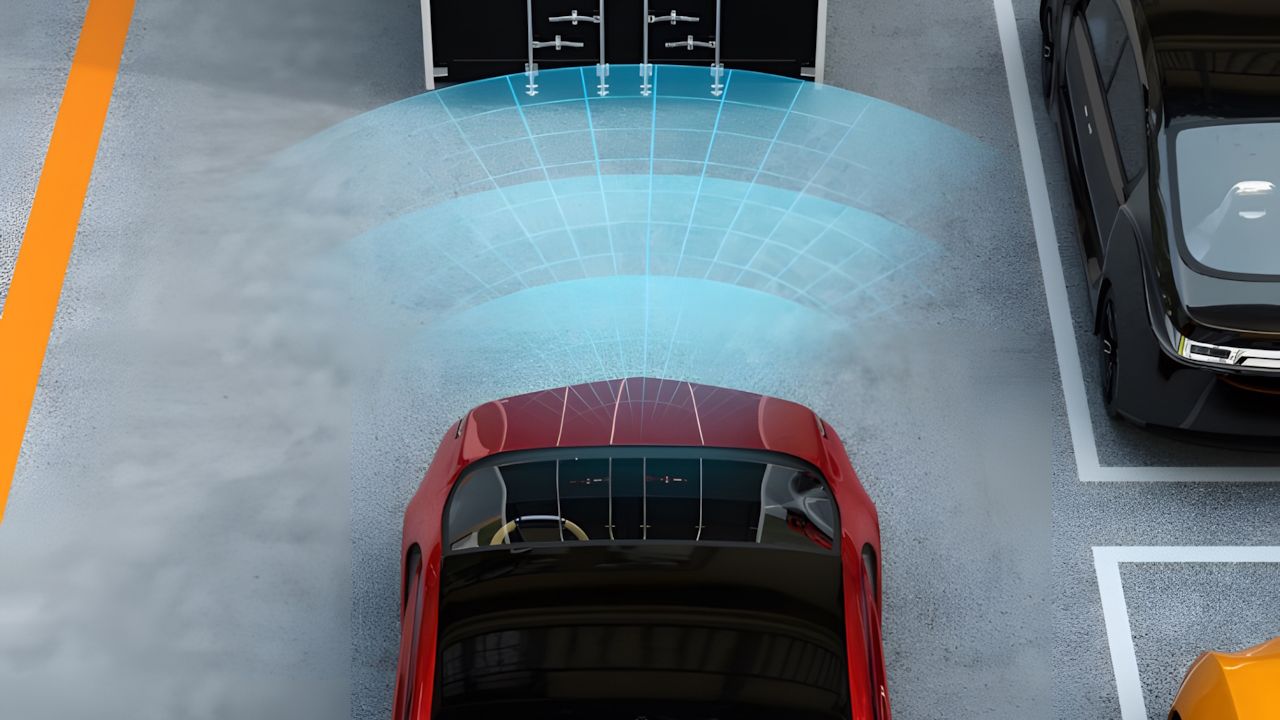
- Ghost braking has led to real accidents and insurance claims.
- Insurers face challenges in allocating fault in these cases.
- Evidence from vehicle data is essential but often hard to obtain without legal action.
Why This Matters to Drivers
As automatic emergency braking becomes mandatory and more advanced, ghost braking could lead to more legal and insurance disputes. Drivers and insurers must understand that these systems are not perfect and that human control remains critical. Transparency from manufacturers regarding system data is key to resolving fault in accidents involving ghost braking.
In short, the technology designed to make roads safer is also introducing new challenges. European drivers should be aware of the potential risks and legal ambiguities related to automatic braking systems as they become more common.
Source: motor.es