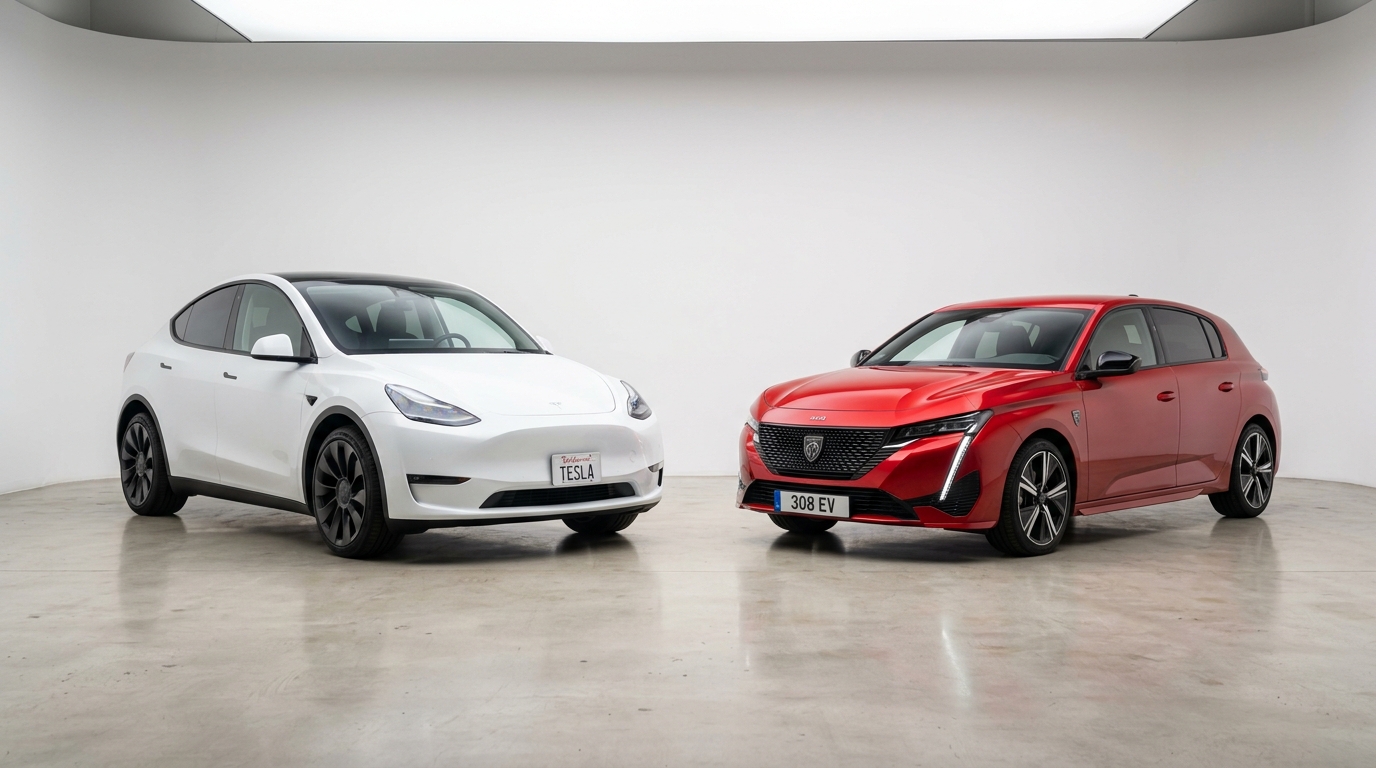

Stellantis is reportedly planning to improve the overall quality of its vehicles by adopting methods inspired by Tesla’s development and production strategy, according to ItalPassion. The move highlights growing pressure on traditional automakers to improve software, reliability, and production efficiency as competition in the EV era intensifies.
Tesla-Inspired Quality Strategy
Tesla is known for its software-driven approach, fast production cycles, and continuous updates. Stellantis now appears to be studying this model to improve its own vehicle quality and development speed.
The focus is expected to include:
- Faster software updates
- More integrated digital systems
- Improved production efficiency
- Reduced complexity across platforms
This shift reflects a broader industry trend where software quality is becoming as important as mechanical engineering.
Pressure From EV Competition
Stellantis, which owns brands like Peugeot, Fiat, Opel, Jeep, and Citroën, is under increasing pressure in both Europe and global markets.
Chinese EV makers such as BYD and Geely are growing quickly, while Tesla continues to dominate the premium EV software space.
This has pushed legacy automakers to rethink how they design and update their vehicles.
Software and User Experience Focus
One of the key areas Stellantis is expected to improve is in-car software experience.
Tesla’s approach of over-the-air updates and centralized vehicle control systems is seen as a benchmark in the industry.
Stellantis is already working on new platform architectures that aim to reduce hardware complexity and improve long-term software support.
Industry-Wide Transformation
The automotive industry is shifting from traditional mechanical engineering to a software-first approach.
Companies are now competing not only on performance and design, but also on:
- Update speed
- UI/UX quality
- Connected services
- Long-term software support
Stellantis’ strategy reflects this major transformation.
A Challenging Transition Ahead
While the Tesla-inspired approach may improve efficiency and software quality, Stellantis still faces challenges in execution across its 14-brand portfolio. Balancing cost, quality, and brand identity will be critical as the company moves deeper into the electric and software-defined vehicle era.